






 Portuguese
  Spanish


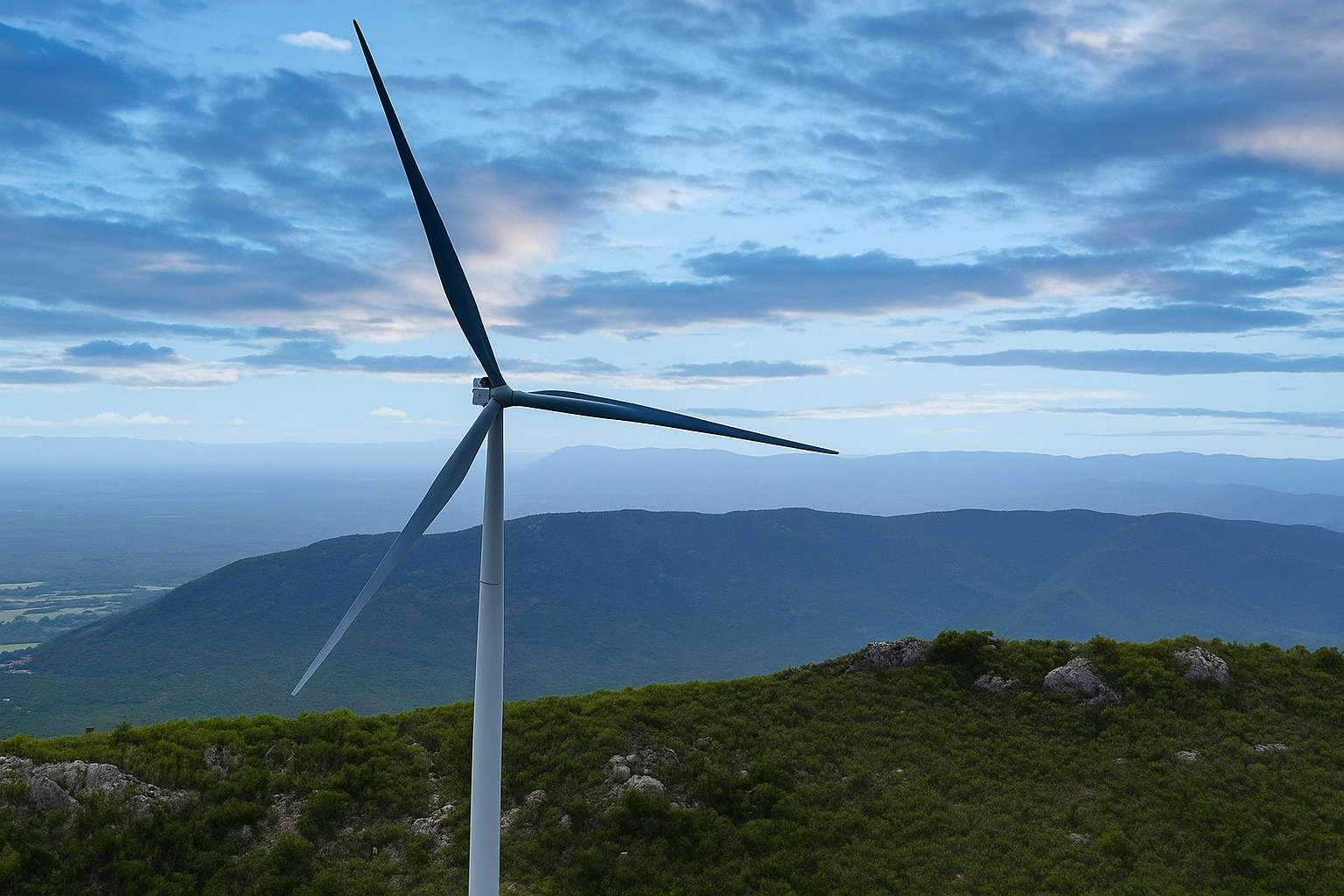
Discover How the Largest Wind Turbine in the Americas, Developed by WEG and Petrobras, Generates Clean Energy for Thousands of Homes and Strengthens Innovation in the Brazilian Energy Sector.
Brazil has been consolidating its position in the global renewable energy landscape. In this sense, a recent milestone reinforces this trajectory: WEG, a multinational from Santa Catarina, and Petrobras, a giant in the oil sector, launched the largest wind turbine in the Americas. This project, in addition to representing a technological advance, demonstrates how Brazilian companies combine industrial experience and innovation for sustainable solutions.
The history of wind energy in Brazil dates back to the early experimental generation initiatives in the early 20th century. However, it was only from the 1990s that the country began to explore the potential systematically. With consistent winds in regions like the Northeast, Brazil found in the wind sector a diversification opportunity for its energy matrix. Thus, it reduced dependence on hydropower and strengthened energy security.
Therefore, the construction of the largest wind turbine in the Americas emerges as a recent and significant chapter in this evolution. The wind generator is an impressive 220 meters tall and weighs 1,830 tons. It is part of the Seabra Wind Farm, in the Brotas de Macaúbas Complex, in Bahia, and reflects decades of technological development and learning from the Brazilian industry in renewable energies.
-
Brazil filled the Northeast with wind turbines but now faces the side effect of 705 giant blades reaching the end of their lifespan by 2032 just in Rio Grande do Norte, while the world projects 43 million tons of waste by 2050.

-
Brazil has filled the Northeast with wind turbines, but now it faces the side effect of 705 giant blades reaching the end of their useful life by 2032 just in Rio Grande do Norte, while the world projects 43 million tons of waste by 2050.
-
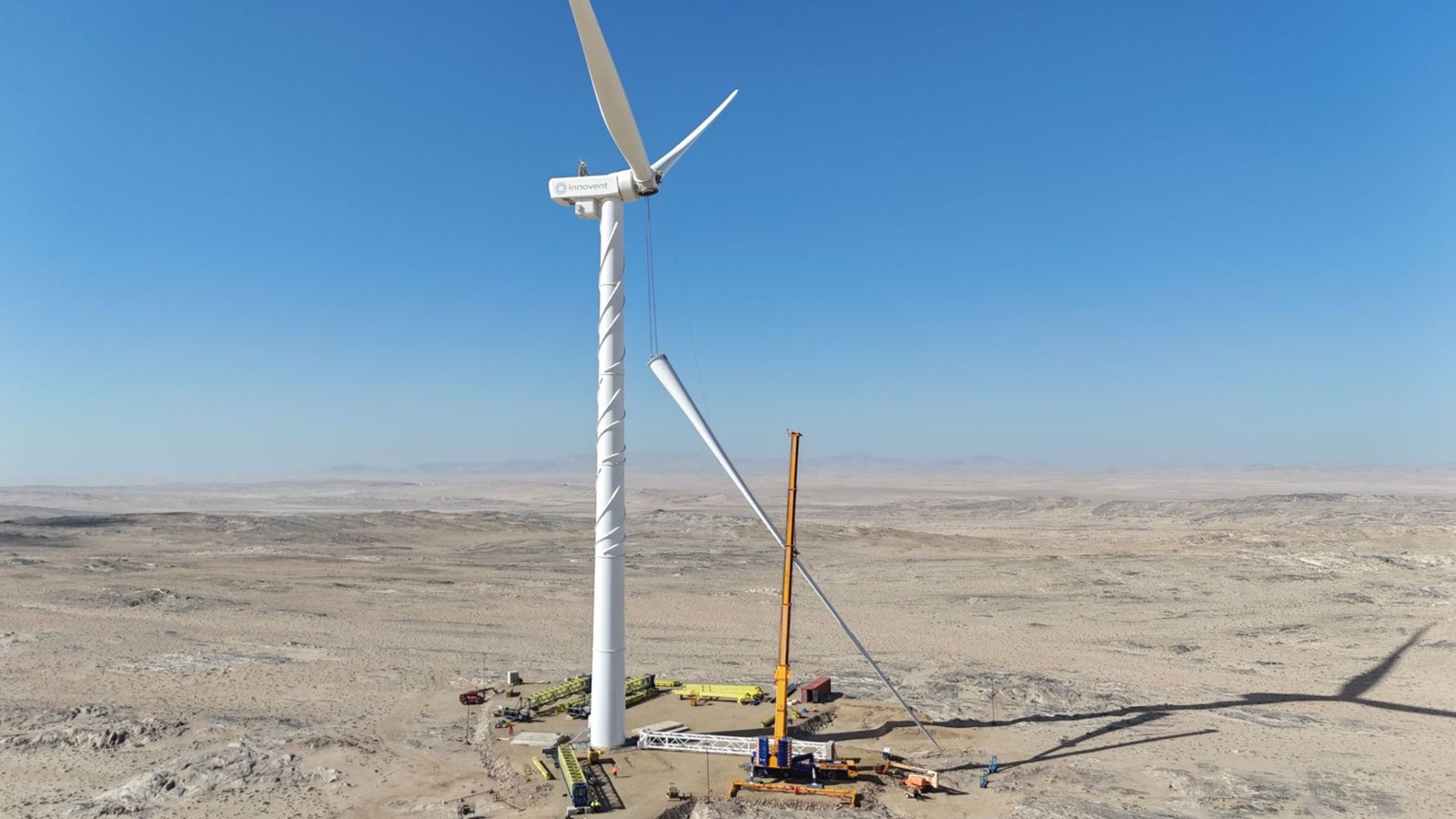
Wind farm in Namibia will have wind turbines assembled without giant cranes and is expected to avoid 200,000 tons of carbon dioxide per year when it becomes operational.

-
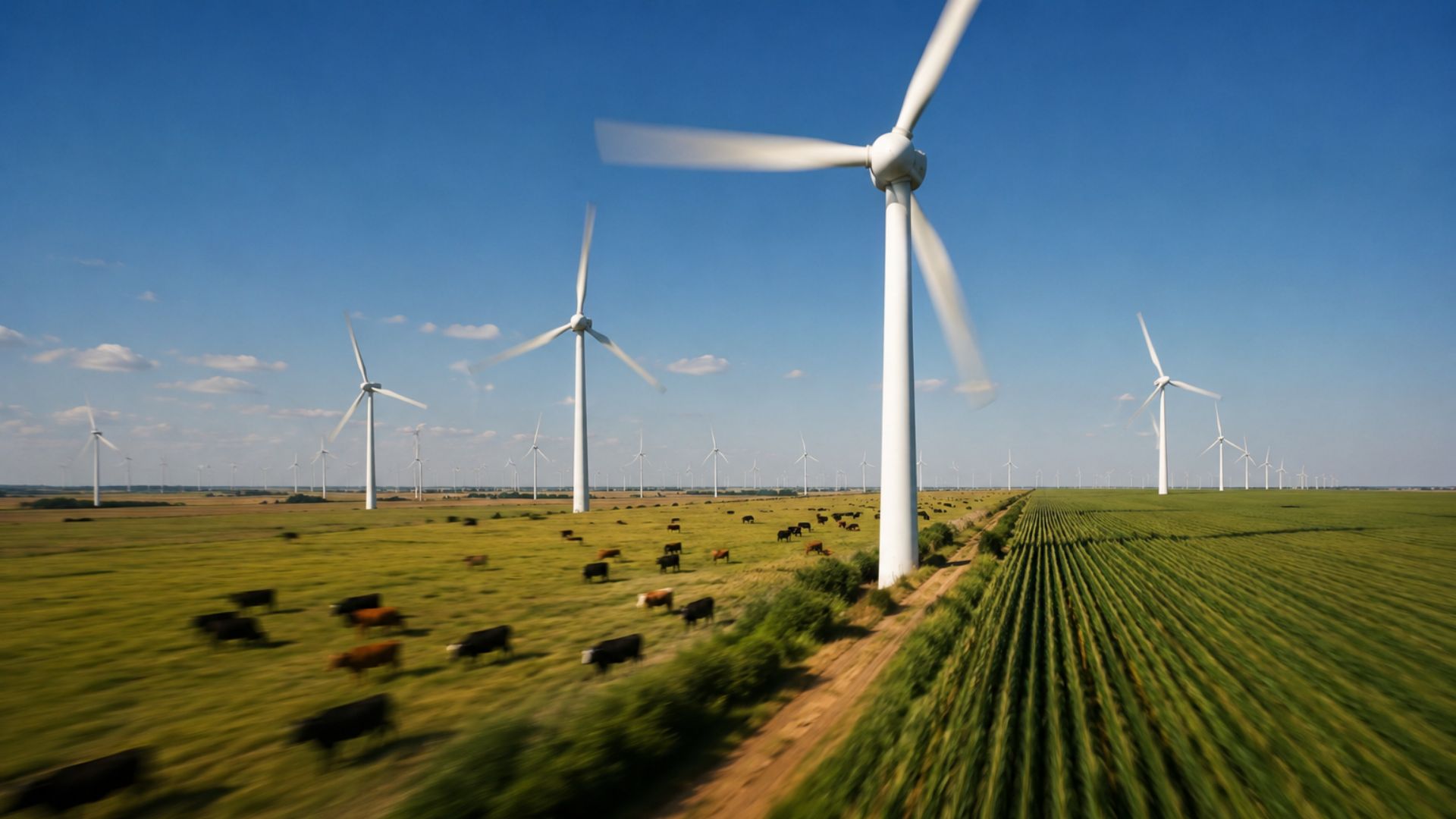
Taller than the Statue of Liberty, thousands of wind turbines are being planted in the middle of U.S. fields, creating two-story farms where corn and soybeans grow below while the wind turns into electricity above.


Moreover, the choice of the Northeast for installation is no coincidence. The region offers consistent winds capable of generating energy even during drought periods, ensuring energy security for communities and businesses. Thus, the project by WEG and Petrobras efficiently and sustainably harnesses this natural potential.
Strategic Partnership and Investments
WEG and Petrobras developed the equipment with a capacity to generate 7 MW, equivalent to about 2,500 MWh per month. Consequently, this production serves approximately 15 thousand households. It shows the direct impact of technology on people’s lives and the country’s energy economy.
The strategic partnership began in 2023, aiming to create advanced components for large wind turbines. Thus, Petrobras invested R$ 130 million in the project, following R&D (Research, Development, and Innovation) requirements determined by the ANP (National Petroleum Agency).
In addition, BNDES and the federal government supported the project. This reinforces the importance of public policies and financial incentives to consolidate clean and innovative technologies. Therefore, this type of collaboration accelerates the energy transition and stimulates national industrial development.
Similarly, Statkraft, a Norwegian company that acquired the wind generator, installed and operates the equipment, highlighting logistical and technical advancements. With a height equivalent to six Christ the Redeemer statues and a weight comparable to 44 Boeing 737 aircraft, the turbine impresses with its size and applied engineering. Thus, its installation optimizes land use and reduces generation costs, showcasing the economic and environmental benefits of technological innovation.
Innovation and Leadership of WEG
Historically, the Brazilian electro-electronic equipment industry has played a relevant role in developing solutions for renewable energy. However, until recently, the production of large turbines still faced challenges. For this reason, WEG, present in over 135 countries and with factories in 18 of them, has established itself as a global reference and brought cutting-edge technology to Brazil.
Thus, the launch of the largest wind turbine in the Americas is the result of decades of industrial experience and research. It combines a strategic vision for a sustainable future. Additionally, the project connects to the global energy transition, in which the world replaces fossil sources with clean alternatives.
Brazil, with its wind and solar potential, stands out in this scenario. Therefore, the installation of the turbine in the Brotas de Macaúbas Complex increases the capacity to generate clean energy on a large scale. It sets efficiency and sustainability standards for the national electric industry. Furthermore, Brazilian engineering has evolved to compete internationally. It has brought cutting-edge technologies and strengthened the country’s image in the clean energy sector.
Moreover, the project encourages other national companies to invest in research and development of large wind turbine equipment, creating opportunities for innovation and economic growth.
Social and Environmental Impacts
For WEG, the wind generator consolidates its role as a protagonist in the renewable energy sector. Additionally, João Paulo Gualberto da Silva, the managing director of WEG Energy, highlighted that the development of the equipment reflects the company’s capacity for innovation. It reinforces the importance of the national industry in producing high-performance technologies.
Complementarily, Statkraft brought its international expertise to integrate the wind generator into the Brazilian power generation system. Thus, the turbine’s operation is expected to yield efficiency gains. It will serve as a model for future installations and contribute to a more diverse and resilient energy matrix.
The development of the largest wind turbine in the Americas also highlights the relationship between energy and social development. Indeed, the generation of electricity for thousands of households reduces the pressure on transmission networks. It helps to lower energy costs, positively impacting families and businesses.
Furthermore, projects of this size stimulate the specialized labor market, providing opportunities in engineering, maintenance, and technological research. Moreover, the presence of large turbines encourages the training of qualified professionals. It strengthens universities and research centers that develop new solutions for the sector.
Sustainability and Energy Future
The wind generator represents a concrete response to the need to reduce greenhouse gas emissions. By generating clean energy on a large scale, the project helps Brazil meet environmental goals. It reinforces its commitment to international agreements on climate change.
Moreover, the use of national technology strengthens the internal productive chain, generates jobs, and encourages investments in research and innovation. Therefore, the launch of the largest wind turbine in the Americas marks a significant advance for the energy sector and for the Brazilian industry.
In general, the initiative demonstrates that strategic partnerships between private companies, multinationals, and the government generate concrete results. They unite economic development and environmental responsibility. Furthermore, the project illustrates how technological innovation, when applied efficiently, transforms natural resources into tangible benefits for society.
With this advancement, Brazil reaffirms its leading role in the global renewable energy landscape. Thus, WEG, in partnership with Petrobras and international companies, shows that it is possible to combine industrial capability, research, and future vision in high-impact projects. Finally, the construction of the largest wind turbine in the Americas symbolizes the country’s commitment to a more efficient, clean, and sustainable energy model. It inspires new initiatives and consolidates the path toward the energy transition.


Be the first to react!