Portuguese
  Spanish


Icon Among Steam Appliances, The Vaporetto Dominated Brazilian Homes in the 90s Before Disappearing from the Market. Discover the Behind-the-Scenes of the Lightning Success and Understand the Reasons Behind the Disappearance of Vaporetto Brazil
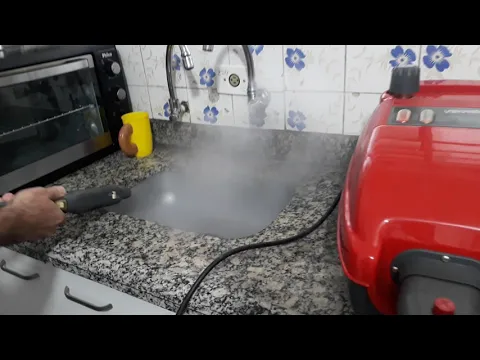
The Vaporetto was a striking phenomenon in the Brazilian market in the 90s, standing out as the best-selling steam appliance in Brazil, even surpassing its country of origin, Italy. The popularity of the Vaporetto was linked to its innovative proposal for steam cleaning, which won over millions of households by offering practicality, efficiency, and sustainability.
However, the disappearance of Vaporetto Brazil, resulting from a corporate conflict, intrigued consumers and specialists. Today, we explore the success of the Vaporetto in the 90s, the reasons that led to its disappearance, and the impacts of this trajectory on the Brazilian market.
Vaporetto in the 90s: Peak of Steam Appliances in Brazil
The Vaporetto was manufactured by the Italian company Polti and introduced to Brazil in 1993. It quickly gained popularity due to its differentiator: steam cleaning, which eliminated the need for chemical products and provided a deeper cleaning of surfaces, fabrics, and environments. This innovation especially captivated the Brazilian public, who started to adopt the product on a large scale.
-
Strawberry Moon to Be Visible in Brazil on Monday (29th); Here’s When and How to Watch

-
Driver Crosses 100-Year-Old Railway Bridge Over Uruguay River, Encounters Rural Couple Preserving Traditional Farming Methods
-
Rural Producer Returns to Brazilian Farmland, Builds Family Agricultural Business with Children’s Support and Industry Backing
-
Goiás Couple Boosts Artisan Cheese Production from 25 to 70 Kilos Daily with Technical Support, Transforming Family Life in Rural Brazil




According to data from Exame magazine, Brazil became the main market for the Vaporetto within a few years, even surpassing Italy in sales volume. Effective advertising campaigns, demonstrations in shopping malls, and direct sales were part of the strategy to make the appliance known and desired.
The favorable economic context of the time, with the growth of the middle class and increasing purchasing power, also contributed to the success of the Vaporetto in the 90s. Families sought products that facilitated household chores, and the Vaporetto delivered exactly that, combining technological innovation with an ecological appeal.
The Disappearance of Vaporetto in Brazil: A Corporate Conflict That Marked the Market
Despite the success and recognition, the Vaporetto began to disappear from the Brazilian market by the late 90s, due to a corporate conflict involving Polti and João Apolinário, a Brazilian entrepreneur and founder of Polishop. Initially, Apolinário was responsible for the representation and marketing of the Vaporetto in Brazil, creating a solid foundation for the product.
However, commercial disagreements and legal disputes led to the breakdown of the partnership in 2000. Polti decided to cease its operations in Brazil and sold its local stake to Apolinário. Polishop then began to market steam cleaning products under its own brands, leaving the original Vaporetto out of the market.
This episode is the main reason for the disappearance of Vaporetto Brazil. The brand, which dominated the market in the 90s, ceased to be officially produced and distributed, distancing itself from the Brazilian consumer and opening the door for new brands and solutions in the steam cleaning segment.
How The Success of Vaporetto in the 90s Influenced the Market and What Changed After Its Disappearance
The success of the Vaporetto in the 90s marked the beginning of the popularization of steam appliances in Brazil, bringing innovation and environmental awareness to the domestic market. The brand became synonymous with quality and technology, creating a solid consumer base.
With the disappearance of Vaporetto Brazil, the market opened up for new competing brands and products that took advantage of the gap left behind. Polishop, for example, capitalized on its direct sales model to keep the category active, offering products similar to the Vaporetto, but under its own brands.
According to the Monthly Trade Survey (PMC) from IBGE, the appliance sector continues to grow in Brazil. In 2024, the volume of appliance sales increased by 5% in the first quarter compared to the previous year, driven by consumers’ search for products that optimize household routines, including practical solutions like steam appliances. However, the Vaporetto brand, which was so popular in the 90s, has not been able to regain its place in the country.
The Trajectory of Polti After the Disappearance of Vaporetto Brazil
After leaving the Brazilian market, Polti maintained its focus in Europe, where it is a reference in steam cleaning solutions. The company’s official website highlights its commitment to technological innovation and sustainability, directing its efforts towards the development of efficient products for both residential and professional use.
The success of the Vaporetto in the 90s in Brazil represented an exception in Polti’s history, which today prefers to operate in markets where it has full control over distribution and strategies, avoiding corporate conflicts like the one that occurred in Brazil.
The Legacy of Vaporetto in the 90s and the Current Scenario of Steam Appliances
Even with the disappearance of Vaporetto Brazil, the product’s legacy remains. The Vaporetto popularized the use of steam as an efficient and sustainable cleaning method, changing habits and raising consumer expectations for products that offer practicality and reduce chemical use.
Today, the Brazilian market features various steam appliances, including mops, clothing steamers, and portable cleaners, which continue the line of innovation initiated by the Vaporetto in the 90s. The consumer preference for sustainable and practical solutions reinforces the lasting influence of the product.
Lessons from the Vaporetto Case: Importance of Partnerships and Business Management
The trajectory of the Vaporetto in Brazil illustrates how corporate disputes can deeply affect the continuity of a product, even in cases of great commercial success. The steam appliance, which led sales in the country in the 90s, was removed from the market due to corporate issues, highlighting the need for well-structured strategic alliances.
The success of the Vaporetto in the 90s highlighted Brazil’s potential for technological innovations in the domestic market. Conversely, the disappearance of Vaporetto Brazil showed that planning, management, and corporate governance are essential to ensure the longevity and competitiveness of brands.
For consumers, the Vaporetto case serves as an example of how brands can shape habits and consumer expectations. For companies, it is a lesson on the importance of negotiation, transparency, and alignment of interests for sustainable success.
Today, the Vaporetto is remembered as an icon of the 90s innovation, a symbol of the transformation in how Brazilians perceived domestic cleaning and the use of technology in daily life.