Portuguese
  Spanish


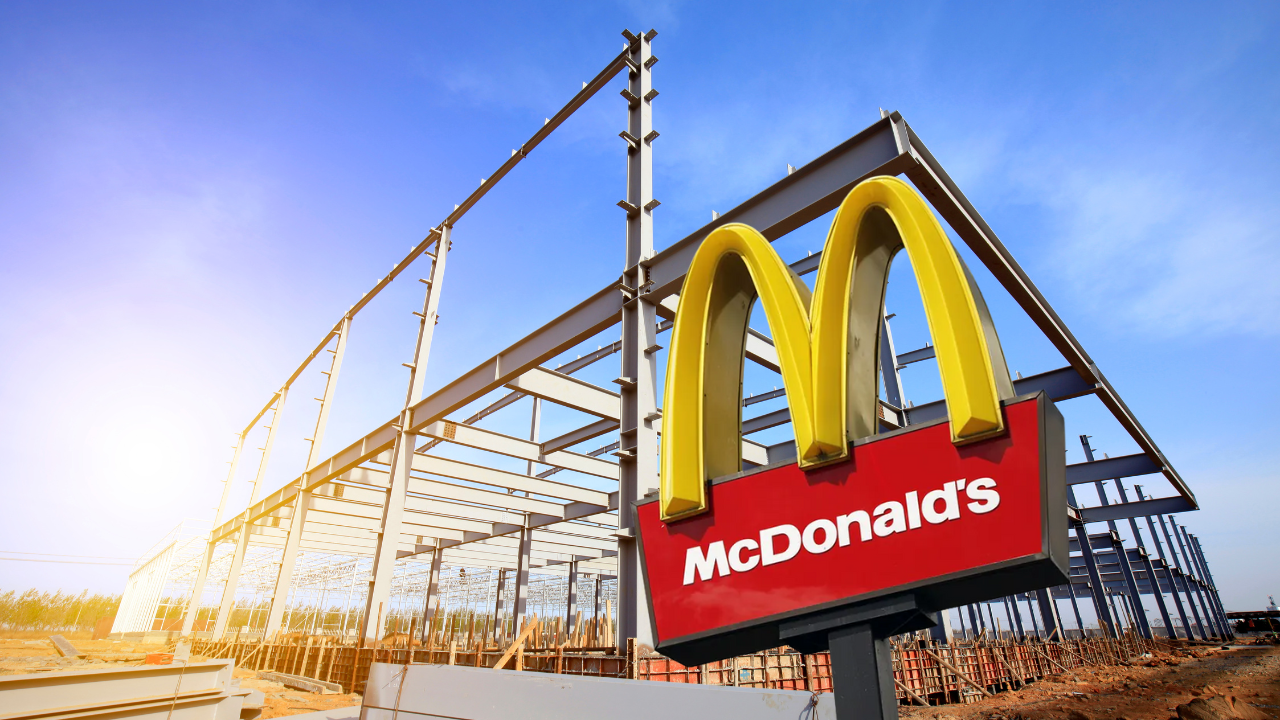

McDonald’s in Jaraguá do Sul Was Built in Just 99 Days with Light Steel Frame Technology, Which Reduces Waste, Conserves Resources, and Reinforces the Chain’s Environmental Commitment.
In a clear demonstration of innovation, McDonald’s has just opened a new unit in Jaraguá do Sul (SC) built with a method that is transforming the civil construction industry: Light Steel Frame (LSF).
The project, which draws attention for both its technology and speed, was completed in just 99 days and occupies an area of 415 square meters spread over two floors.
The initiative highlights a growing trend in Brazil: combining efficiency and sustainability in large projects. And McDonald’s, one of the largest fast-food chains in the world, shows that it is paying attention to this movement.
-
Innovative Project Demonstrates How to Build a Modular, Eco-Friendly Cabin Using Recycled Timber Logs

-
Transform Your Bathroom with Paint, Mirrors, LED Lighting, and Accessories for a Quick, Cost-Effective Makeover
-
Couple Converts 1925 Detroit Bank into Home, Earns $40,000 Annually on Airbnb

-
Tired of Seeing People Sleep in the Cold, London, Canada Opens First Modular Shelter for Homeless with 60 Cabins, Heating, Meals, and Dog Area


What is Light Steel Frame and Why Does It Matter?
The Light Steel Frame system uses galvanized steel structures and custom-made prefabricated components, allowing for faster and cleaner execution.
Unlike traditional methods — which rely on cement, bricks, and generate a large volume of waste — LSF drastically reduces the environmental impact of construction.
While conventional constructions can generate up to 30% waste, this number drops to less than 5% with LSF.
Furthermore, there is a significant savings in water and material use, contributing to a much smaller environmental footprint.
With this new unit, McDonald’s reinforces its strategy of adopting more sustainable construction practices that align with global demands for environmental responsibility.
“This initiative reflects the company’s commitment to innovation and sustainability in its ventures,” says the chain.
More than just a technical decision, the choice of Light Steel Frame is also a response to consumers, who are increasingly aware of the environmental impact of the brands they consume.
A New Era for Civil Construction
The use of Light Steel Frame is far from being an isolated case. The system is already widely used in countries such as the United States, and it is gaining strength in Brazil, both in residential and commercial projects.
The delivery of this new unit in record time and with reduced environmental impact symbolizes an important change in mindset.
And McDonald’s, by investing in Light Steel Frame, is anticipating this new era of civil construction — cleaner, smarter, and more connected to the needs of the planet.