





 Portuguese
  English
  Spanish
  3 min of reading


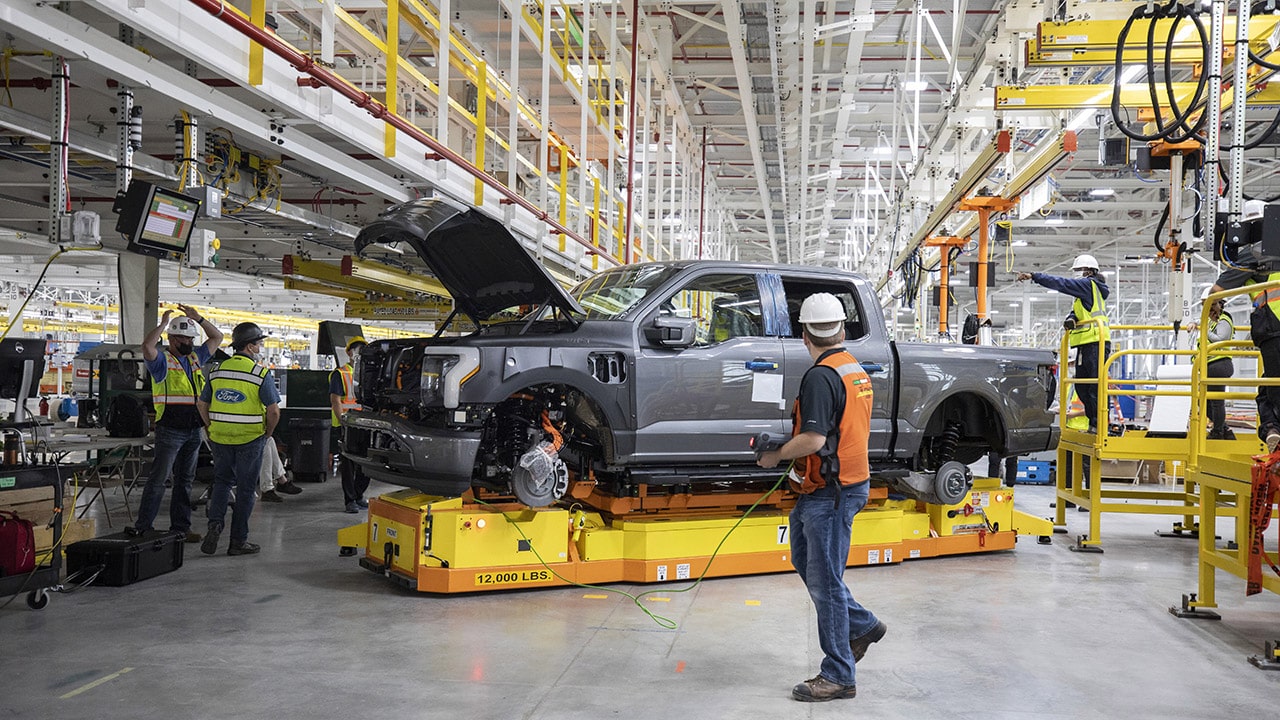
After The Production Closure In The Country, Multinational Ford Maintains The Development Of Technologies For Electric Cars And Also Hires 500 New Engineers
The recent appearance of cars like the Ford Explorer, F-150 Hybrid, Mustang Mach-E, and Lincoln Navigator in the national territory occurred because, in addition to some tests, Ford took the opportunity to present to Brazilian employees the cars they contributed to developing. Despite the closure of vehicle production in Brazil at the beginning of last year, the multinational maintained its Development and Technology Center in the country.
1,500 Employees Work At Ford’s Center In Brazil
The multinational’s center was relocated from the old factory to six warehouses in an area of 6,000 square meters provided by Senai Cimatec in Camaçari, Bahia. On-site are the design studio, teardown lab, virtual reality laboratories, offices, and DFord, an area that operates like a startup focused on research and innovations for electric cars.
In total, more than 1,500 professionals work in the warehouses, with 500 recently hired. It is important to highlight that 85% of the work carried out by these professionals is developed for the global market. A large part of the national engineering effort is focused on the development of electric cars, components, and ecosystems for electrification and software for autonomous vehicles.
-
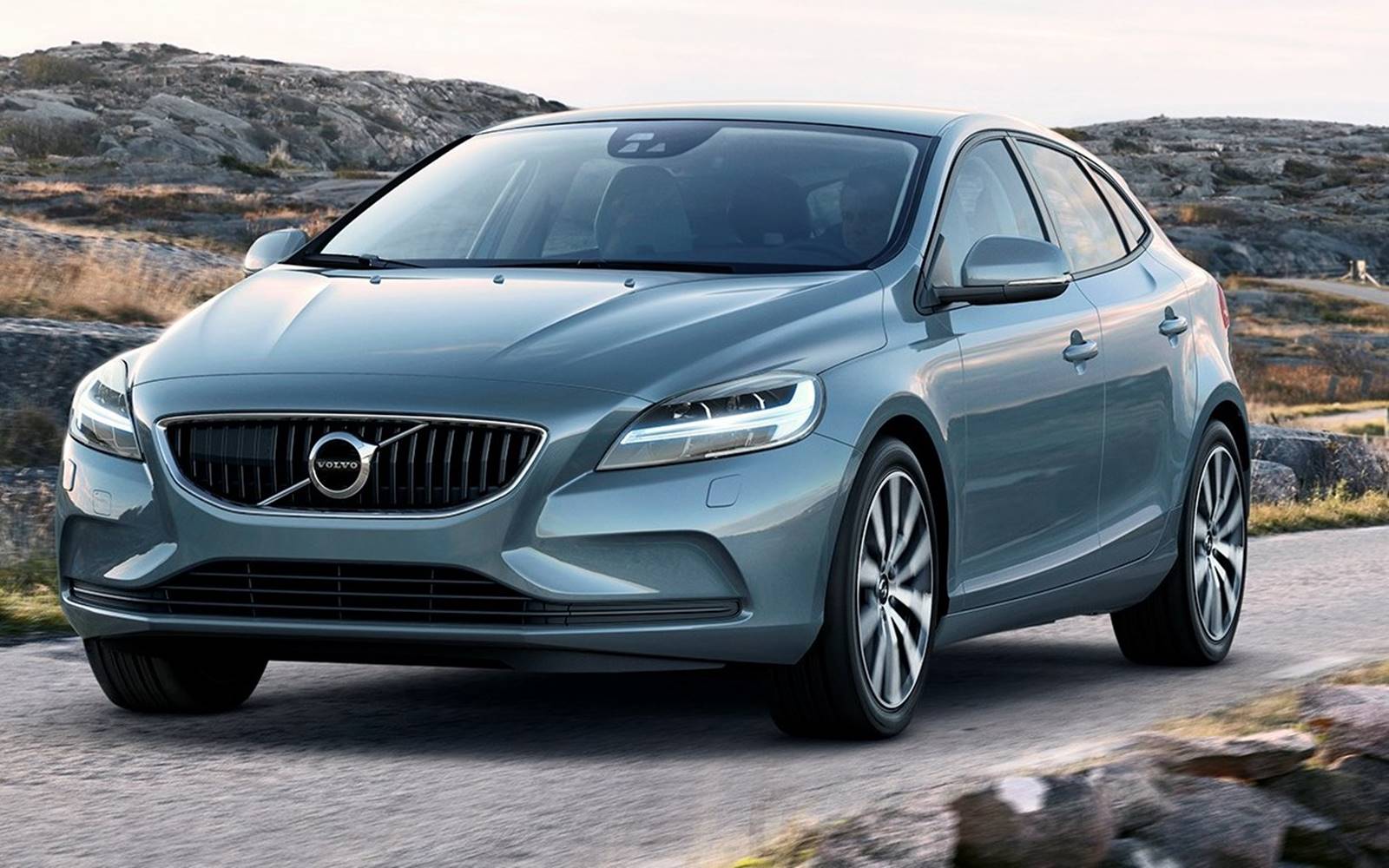
Cheaper than Fiat Pulse, Renault Kardian, and Volkswagen Tera: with a 2.0 turbo engine of 190 hp, 30.6 kgfm torque, automatic transmission, and Swedish safety package, this premium hatch delivers sports car performance at the price of a new compact: meet the Volvo V40 T4 Momentum 2017.

-
Cheaper than a new Mobi and a Polo: with a 1.8 engine of up to 139 hp, 6-speed Aisin automatic transmission, 300 liters of trunk space, and a complete equipment package, this hatch stands out for its performance and cost-effectiveness for those seeking sportiness without spending too much. Meet the Fiat Argo HGT 2018.

-
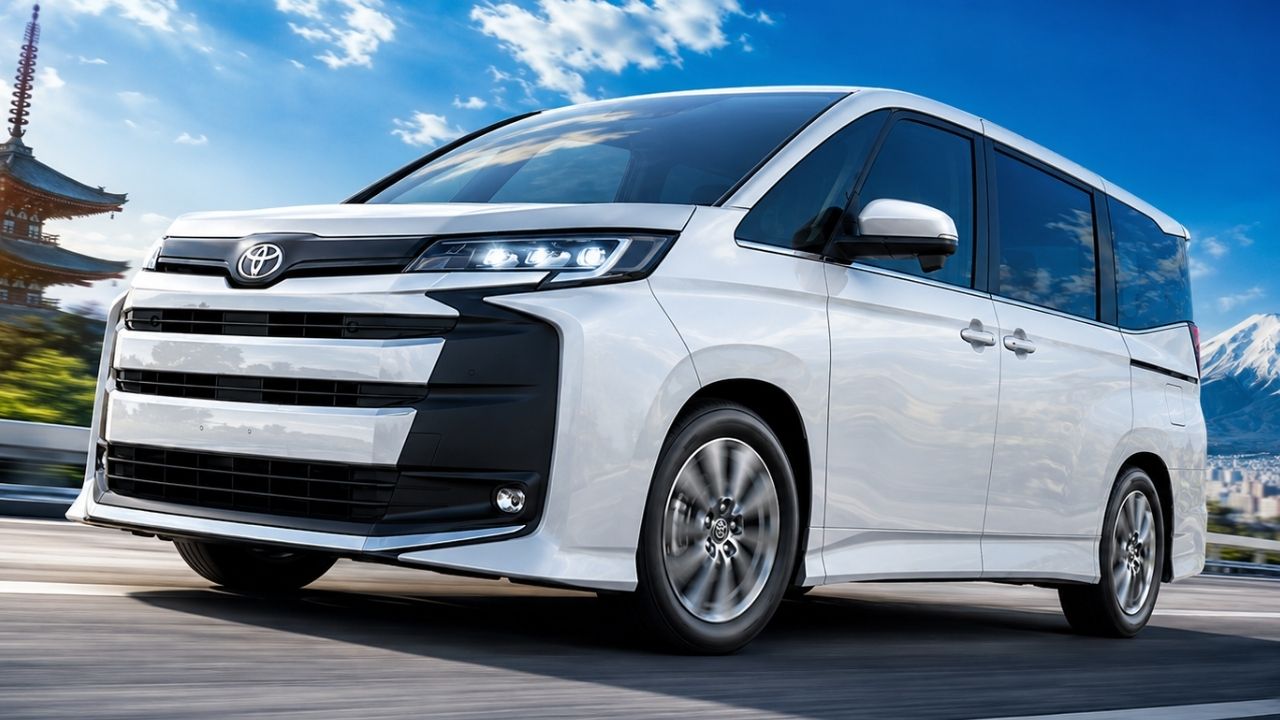
Toyota launches “family hybrid van” with 7 or 8 seats, 1.8 hybrid engine, fuel consumption of up to 23.8 km/l, and a price equivalent to about R$ 104,000 without taxes, below the Tiggo 8 Pro Plug-in Hybrid sold in Brazil: meet the Noah Hybrid 2026 in Japan.
-
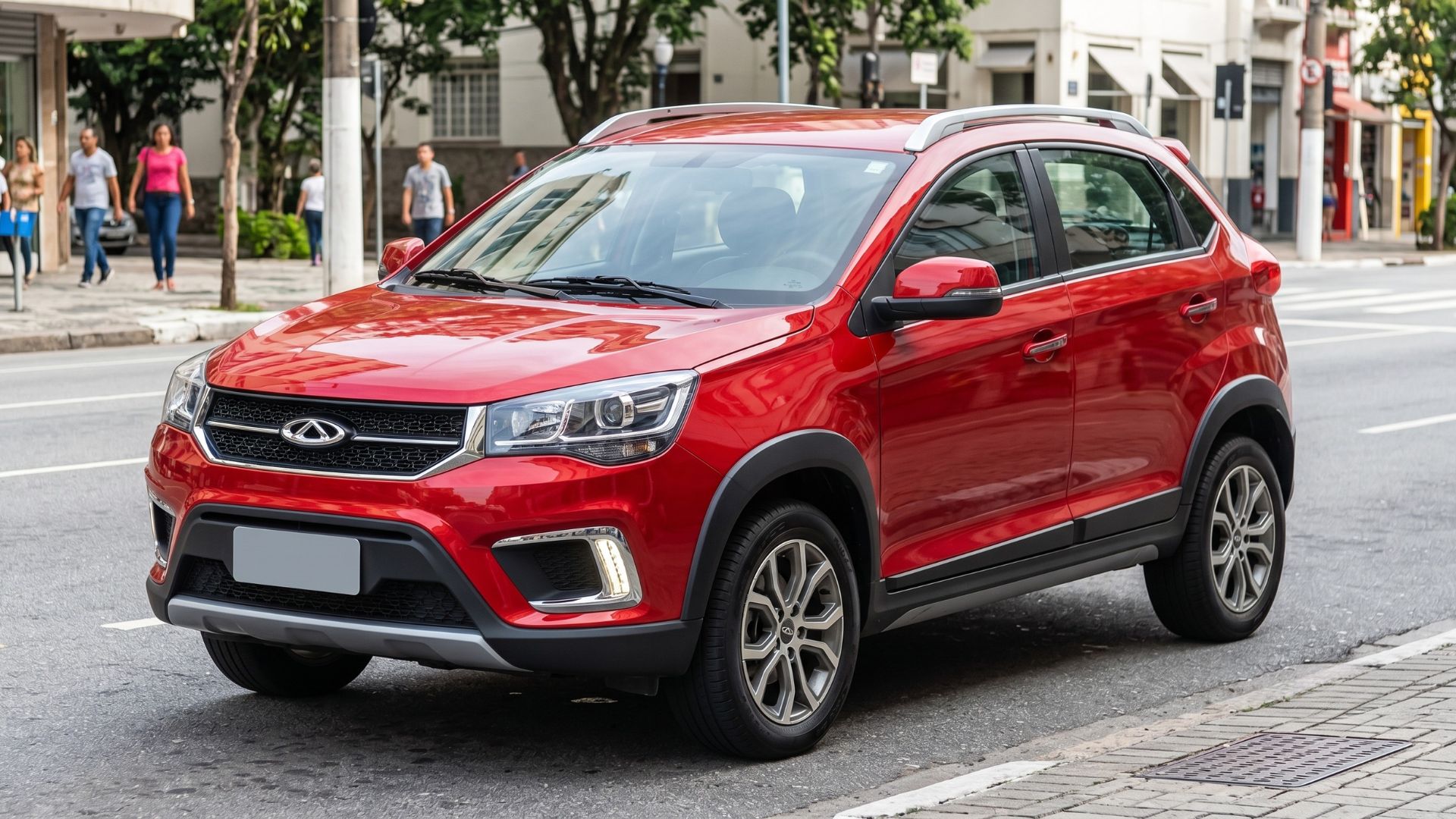
With the look of a compact SUV and the price of a rational used car: 1.5 flex engine with 115 hp, automatic transmission, 420-liter trunk, and multimedia make the Caoa Chery Tiggo 2 Look 1.5 AT 2020 an unconventional alternative.


The engineers also work on the design and development of vehicles and systems that will likely never be sold in the Brazilian market. This includes technologies like the one pedal feature from the Mustang Mach-E, the massage seats in the Lincoln Navigator, Aviator, and Corsair, and the ambient lighting of the F-150 Lightning.
New Vehicles From The Multinational Ford In 2023
Although technologies such as optimization of electric car systems, cooling of electronic systems, and even the design of electric and hybrid cars are being created in Brazil, Ford does not currently sell electric or hybrid cars in the country. It does plan to bring the Mustang Mach-E to the national market, but not in the near future.
The confirmed launches at this moment are the new Ranger and the F-150, both scheduled for next year. The work focused on South America is related to testing and validation of vehicles for the national market, disassembly, research and analysis of components, development of vehicle connectivity, and software. The focus on external markets is so great that there is not even R&D related to the use of ethanol.
It is important to remember that the multinational no longer sells Flex cars in the country, having been one of the pioneers in researching this technology. The automaker states that it will only return to invest in this type of technology if there is demand, but that currently its focus is on the complete transition to electric cars.
According to Ford South America President Daniel Justo, the export of engineering services to Ford’s main markets is based on three points: the team is creative, versatile, and has experience in cost reduction. However, there is also the factor of it being cheaper to conduct some developments in the country.
Hiring New Professionals
Despite the closure of production activities in the country, Ford announced an expansion of its center, and for this, 500 new engineers and specialists were hired to work at the multinational’s technology park in Bahia.
For Daniel Justo, the Brazilian engineering team, which reaches 1,500 professionals, plays an essential role in the company’s global engineering. Justo adds that this is proof of Brazil’s ability and competitiveness in exporting knowledge and projects.





Be the first to react!