Portuguese
  Spanish


On April 30, 2026, the Government of Minas Gerais announced a plan that could change the mobility landscape in one of the state’s most demanding regions. A package of R$ 440 million in road works was presented as a direct response to historical bottlenecks in Campo das Vertentes, involving paving, road recovery, and urban bypass projects.
The measure was announced in Barbacena, during the “Governo Presente” program agenda, and targets long-standing problems affecting residents, producers, drivers, and entire cities. According to Agência Minas, the resources will be applied across different fronts and originate from the privatization process of Copasa.
R$ 440 million package promises to tackle problems that have dragged on for decades
The announcement carries weight because it’s not just about patching potholes or making punctual repairs. The promise involves an offensive on stretches considered strategic for regional circulation, including deteriorated highways, unpaved connections, and accesses that have caused complaints for years.
-
Denmark Constructs World’s Largest Immersed Tunnel to Connect with Germany, Sinking 217-Meter Concrete Sections in the Baltic Sea

-
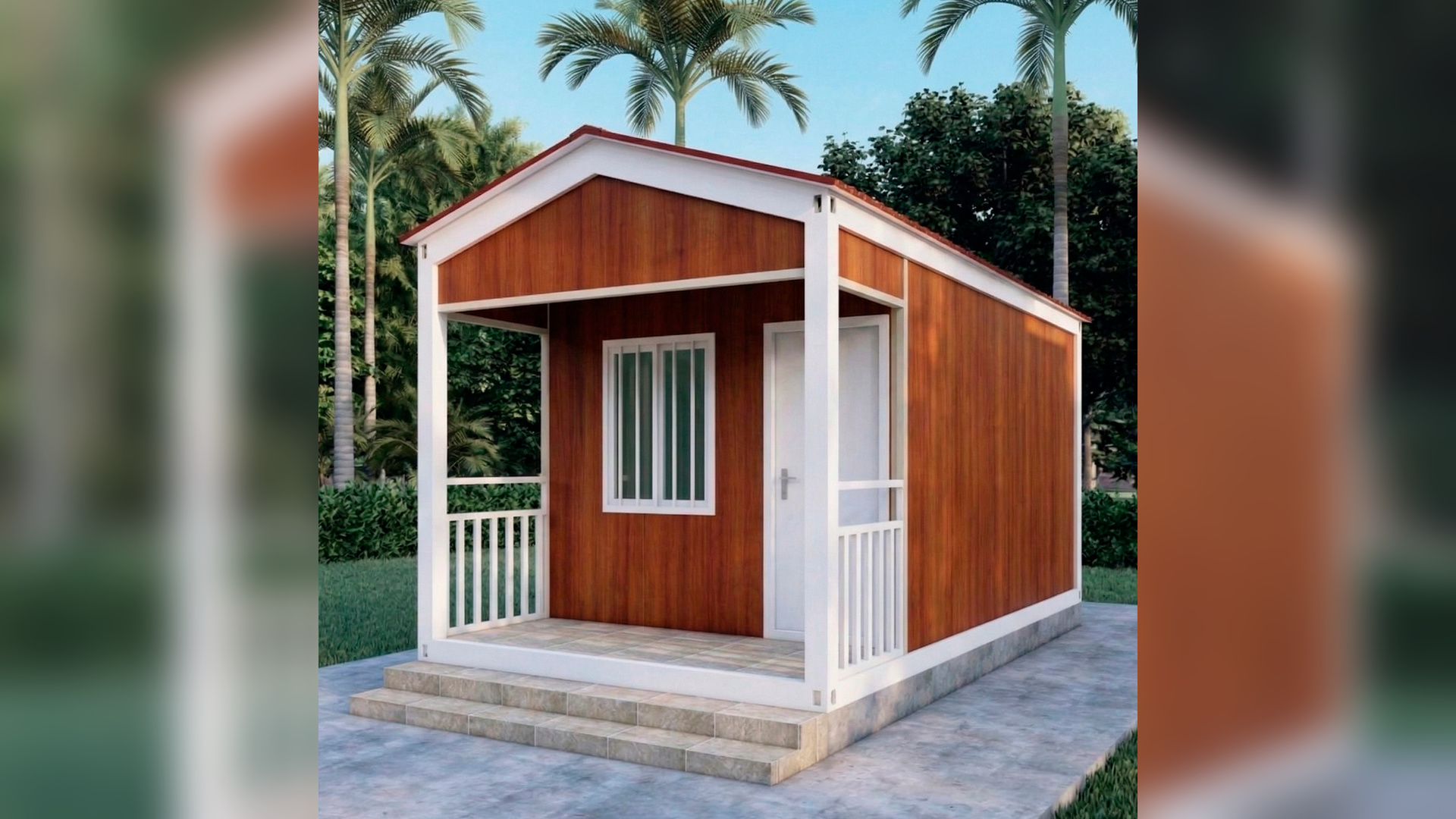
Low-Cost Concrete Panel House Goes Viral: Investor Reveals Prefabricated Kit Structure for Around $1,500, Assembled in 30 Days, with Plans for Rental and Resale Income

-
Polymeric Mortar Revolutionizes Brazilian Construction with Efficient, Clean Application and Uniform Finish

-
Biologist Builds 160m² Dream Home in Brazil for $32,000 Using Eco-Friendly Bricks, Achieving 67% Savings Through Smart Planning and Simple Solutions




The Campo das Vertentes region faces challenges that directly affect economic development. Bad roads increase transport costs, hinder production outflow, raise the risk of accidents, and leave municipalities more isolated than they should be.
With the package, the government tries to sell the image of a historic turnaround. The message is clear: to bring old projects to fruition, unlock new ones, and reduce the impact of heavy traffic within cities.

MG-338 becomes a symbol of the promise of transformation
Among all the announced interventions, the paving of MG-338, between Ibertioga and Piedade do Rio Grande, stands out as one of the most emblematic works. The stretch is 13.2 kilometers long and was already in the bidding process when the package was released.
The work is part of the Caminhos pra Avançar program and is considered strategic for improving regional mobility. The expectation is that the paving will increase safety, reduce travel time, and facilitate integration between municipalities.
According to Diário do Comércio, the MG-338 tender has a reference value of R$ 59.4 million, while the announced package foresees R$ 86 million for the intervention in 2027. This difference places the work even more in the spotlight.
Works begin on heavily damaged and highly demanded stretches
For the first half of 2026, the government announced a set of interventions totaling approximately R$ 55 million. The priority will be the functional recovery of highways that have accumulated wear and tear and hinder the daily routine of those who depend on the roads.
Among the cited stretches are MG-55, from Piranga to Presidente Bernardes, MG-129, from Ouro Preto to Ouro Branco, and MG-275, between Capela Nova and Carandaí. Actions are also planned for MG-405, in Caranaíba, and LMG-844, involving Queluzito, Casa Grande, and BR-040.
These interventions may seem smaller compared to the total volume announced, but they are fundamental for alleviating immediate problems. For many residents, the difference between a recovered road and an abandoned one is the difference between safety and daily risk.
Second half will see a new wave of millionaire interventions
The plan doesn’t stop in the first half. For the second half of 2026, works estimated at around R$ 150 million are planned, affecting important highways for circulation between municipalities in the region.
MG-448 is expected to receive special attention on the stretch from BR-040 towards Paiva, including the recovery of a mountainous area. Highways MG-132 and MG-265 are also on the radar with stretches connected to Cipotânea, Alto Rio Doce, and Desterro do Melo.
This stage is decisive because it reaches regions where the terrain, road wear, and precarious infrastructure make transport more expensive, slower, and more dangerous. The promise is of direct impact on **road safety** and **regional development**.
Urban bypasses can remove trucks from city centers
One of the most sensitive points of the package is the provision for **road bypasses**. The idea is to remove part of the heavy traffic from urban areas, especially in cities that grew around old routes and today suffer from trucks, semi-trailers, and congestion.
Studies and projects are planned for the **São Vicente de Minas Bypass**, the **Barbacena Bypass**, and the **Ressaquinha Bypass**. There is also mention of a future agreement with **Carandaí**, connecting the city to BR-040 to divert heavy vehicles from the center.
This type of work usually has a major urban impact. Fewer semi-trailers in central areas means more safety for pedestrians, less wear and tear on streets, less pressure on local commerce, and a less chaotic routine for residents.
2027 and 2028 enter the calendar of big promises
The package also looks to the coming years. In **2027**, in addition to MG-338, the complete recovery of **LMG-270**, from Carmópolis to Passatempo, is planned. The intervention is another attempt to improve regional connections considered essential.
In **2028**, the highlight is the paving of **MG-28**, between **Dores do Turvo and Alto Rio Doce**, with an estimated investment of **R$ 107 million**. This work is presented as capable of altering the connection between two regions and opening new logistical possibilities.
The big question, now, is to turn announcement into delivery. The package is robust, the numbers are striking, and the promises are ambitious. But the population of Campo das Vertentes knows well that roads are not solved with speeches: they are solved with machinery on the road, completed work, and quality asphalt.
Region could experience a historic turnaround if the works materialize
The announcement of **R$ 440 million** places Campo das Vertentes at the center of the debate on infrastructure in Minas Gerais. If executed within the schedule, the package can reduce old bottlenecks, improve integration between municipalities, and give new impetus to regional transport.
For producers, drivers, merchants, and residents, the impact can be enormous. **Better roads mean more safety, more competitiveness, and a higher quality of life**.
Now, expectations turn to the next steps: tenders, agreements, executive projects, and the effective start of the works. The package was announced as a historic response. The demand, from now on, will be for this promise not to become just another headline along the way.