Portuguese
  Spanish


Canadian Miner Expands Activities in the Jequitinhonha Valley and Draws Criticism for High Water Consumption in Dry Region, Allegations of Pollution and Warning of Environmental and Social Impacts on Local Communities.
The Canadian miner Sigma Lithium, located in the Jequitinhonha Valley (MG), is authorized to extract 3.6 million liters per day from the Jequitinhonha River and, according to the National Water and Basic Sanitation Agency (ANA), only became obligated to monthly self-monitoring on July 1, 2025, with reports to be sent in January 2026.
Meanwhile, residents of the towns of Araçuaí and Itinga, in a scenario of recurring drought, are reporting “water apartheid” and are citing a deterioration in the quality of water in the Piauí stream, according to a report published by the newspaper O Tempo this Thursday (18).
Water Consumption and Data Transparency
On social media, the company presents itself as a producer of “green lithium” and claims to operate with low water consumption.
-
China could reduce iron ore imports from 80% to 50% of consumption by 2030, while its share in global steel production falls from 52% to 46%, in a shift that could reshape the global market, says CMRG.

-
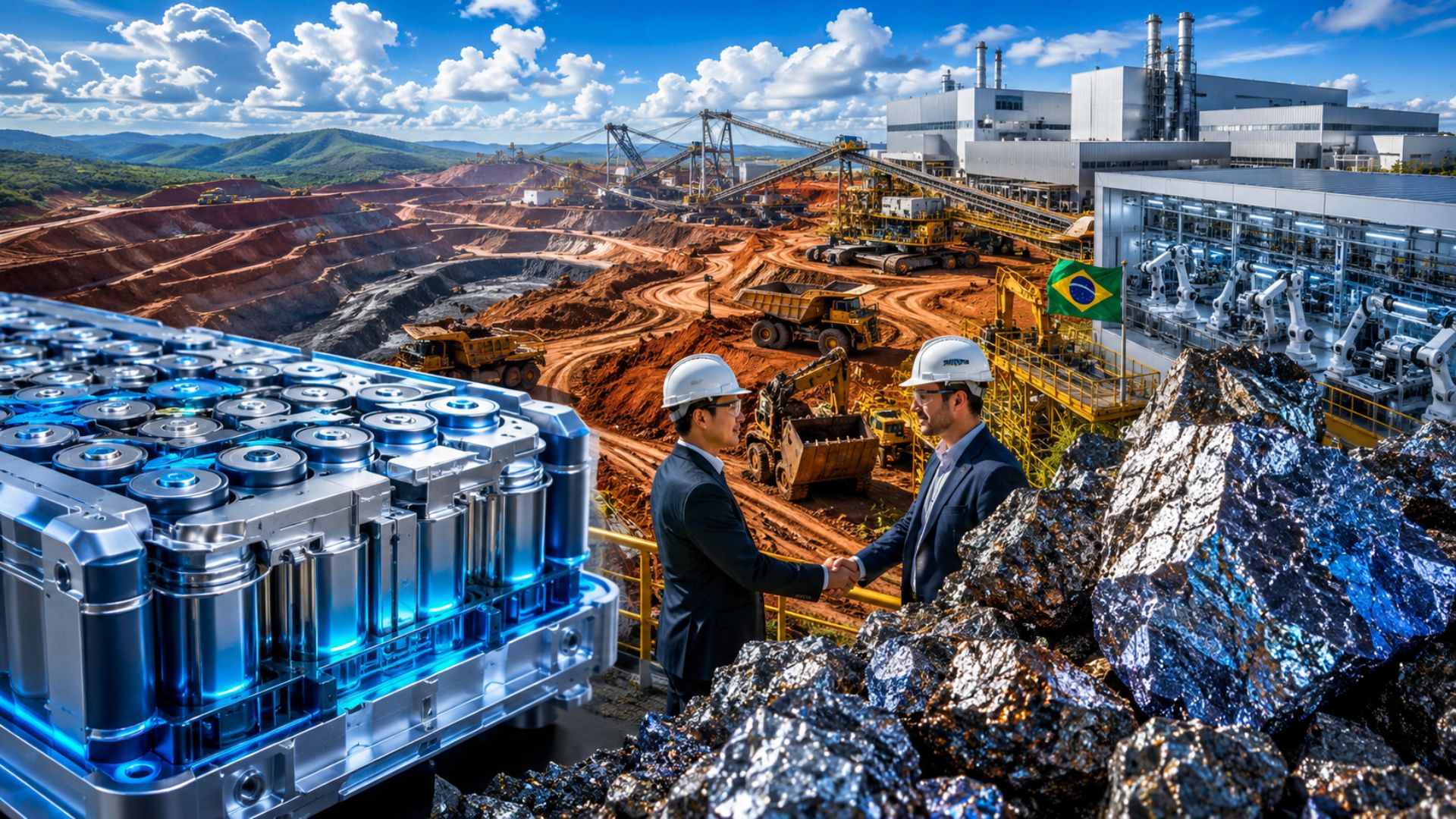
Brazil is sitting on one of the largest lithium reserves in the world, in the Jequitinhonha Valley, but national mining has almost become an appendage of China: 97% of the metal’s export goes to a single country, which also dominates refining.
-
Iron ore falls to 762 yuan in China as real estate sales decline and steel production hits lowest level since 2018
-
Brazil has minerals, clean energy, and a waiting market, but it could miss a billion-dollar opportunity if it doesn’t speed up the race for green minerals, while the steel industry seeks to reduce emissions.


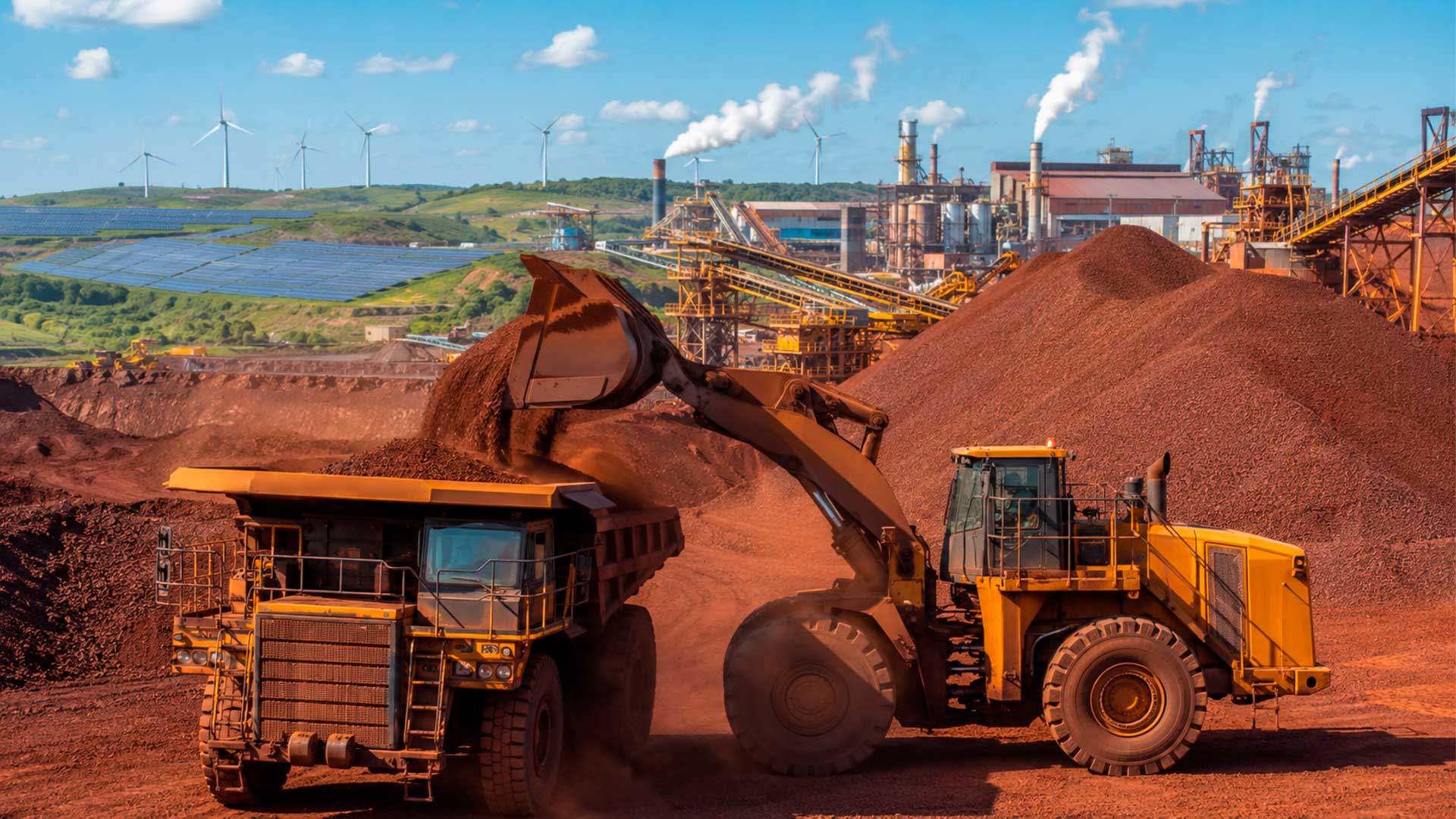
In several posts, it mentions a usage of “30 m³ per hour,” which would amount to 720 thousand liters daily.
In a statement sent to the report, however, Sigma itself acknowledged that, in 2024, it operated with 80 m³/h – about 1.9 million liters per day – extracted from Jequitinhonha, a volume it claims to largely recirculate internally.
The company maintains that its “real consumption” is below the limit of the permit and that the extraction rate will not increase with the planned expansion.
Historical Drought and Vulnerable Cities
Araçuaí and Itinga are identified as highly sensitive municipalities to climate change in the 2024 Mineiro Index of Climate Vulnerability (IMVC), prepared by Semad.
Between 2020 and 2024, the Jequitinhonha Valley recorded hundreds of emergency situation decrees due to drought, placing the region among the most affected in the state of Minas, according to official reports from Civil Defense.
In this context, social movements, researchers, and authorities gathered at the Clímax 2025 event formed a coalition to demand stricter regulations for the lithium sector, according to the investigation by the newspaper O Tempo.
Piauí Stream at the Center of Complaints
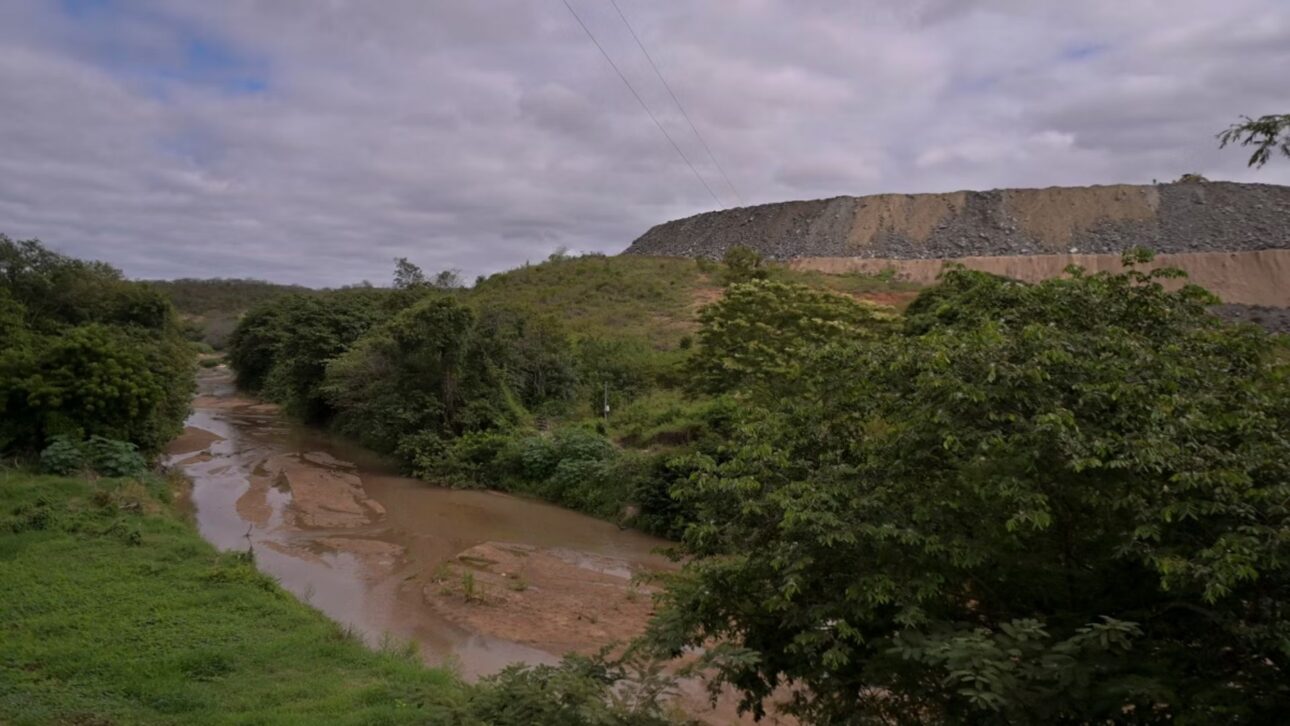
The community of Piauí Poço Dantas, in Itinga, adjacent to the operations, reports changes in the Piauí stream, a tributary on the right bank of the Jequitinhonha.
Residents claim that the water has become murky and that recreation in the watercourse is no longer possible.
“Today it’s impossible with this muddy water,” said resident Maura Ribeiro dos Santos, 56, in an interview with the newspaper O Tempo.
There are also complaints about reduced soil productivity in areas bordering the mine.
Monitoring and “Water Apartheid”
The Clímax 2025 coalition coined the term “water apartheid” to describe the inequality of access to water between industrial operations and communities.
The group claims that while the company has authorization for large volumes, families could survive on just a few liters a day and rely on water trucks, which residents consider inadequate.
ANA confirmed that it did not have usage reports prior to the 2025 requirement and stated that the miner must submit self-monitoring for the period starting in January 2026.
The newspaper O Tempo also pointed out that the company allegedly advised residents to avoid consuming water from the stream due to risks of skin irritation, offering water trucks as an alternative, a measure deemed insufficient by the communities.
Warning from MPF about Impacts on Water Course
In early September, the Federal Public Ministry recommended that the National Mining Agency (ANM) suspend and review research and extraction authorizations for lithium in the region, citing failures such as the absence of prior consultation with indigenous peoples, quilombolas, and traditional communities.
Technical reports from the MPF indicated a risk of lowering the water level of the Piauí stream due to the location of two pits and recorded the proximity of Sigma’s waste piles to stretches less than 100 meters from the watercourse.
For the federal prosecutor Helder Magno da Silva, “it is the State’s duty to guarantee the right to prior, free, and informed consultation.”
Expansion Under Review and Increase in Occupied Area
Sigma is seeking licensing to expand Phase 2 of the Grota do Cirilo Project, with a proposal that doubles the annual production capacity.
With the expansion, the occupied area would increase to 342 hectares, including 192.3 ha designated for waste piles and 149.7 ha of vegetation suppression for extraction, a size comparable to about 480 soccer fields of Mineirão.
In 2024, the company reported having extracted 1.5 million tons of ore, resulting in 270 thousand tons of lithium oxide concentrate. The remainder constitutes visible waste piles in the local landscape.
Dispute Over Mining Method and Waste Volume
Researchers from UFMG, Unimontes, and UFVJM analyzed studies from the miner itself and pointed out that, although there is underground lithium mining just a few kilometers away, Sigma opted for open-pit mining, a method that, according to specialists, generates a much higher proportion of waste and requires more area for waste piles.
They compare the situation with that of a neighboring miner that has been operating underground for three decades, with less land occupation and visual impact.
In a technical evaluation, mining engineer Hernani Mota de Lima explains, in general, that open-pit mining “considerably changes the local landscape,” with greater dust and noise generation when not adequately controlled, even though the choice also depends on the geology and the geometry of the mineral body.
What the Company and Environmental Agencies Say
In response, Sigma states that it has followed the licensing process “entirely” and argues that open-pit mining offers “greater transparency” and easier monitoring, as it involves operations visible to society and regulators.
The company lists as technical and socio-environmental reasons the preservation of the Piauí stream’s APP, maintenance of riparian lifestyles, and the possibility of operating two fronts to share the CFEM between Araçuaí and Itinga.
Regarding water, it states that it recirculates most of the volume extracted through internal recycling systems.
The Semad and Feam stated that the expansion is under technical review.
According to the agencies, legislation requires an evaluation of technological and locational alternatives and the definition of the mining method considers factors such as depth and geometry of the deposit, waste/ore ratio, and presence of underground water resources.
The agency claims to have conducted four inspections to support the decision.
Water Quality and Monitoring
The miner claims to monitor monthly the quality of the Piauí stream since the pre-operational phase, with analyses conducted by independent companies.
It reports that, before the start of operations, there were already elevated levels of fecal coliforms and high natural concentrations of iron, manganese, and aluminum, consistent with the region’s lithology.
Residents, in turn, attribute the most recent deterioration in water quality to mining activities and say they have been advised to avoid direct consumption from the stream.
The conclusive verification of these allegations depends on public reports with historical series and comparable parameters, which are still not available.
In a region under water stress and with ongoing mineral expansion, what mechanisms of control, transparency, and social participation need to be implemented to ensure balanced water usage and the safety of communities?