






 Portuguese
  Spanish


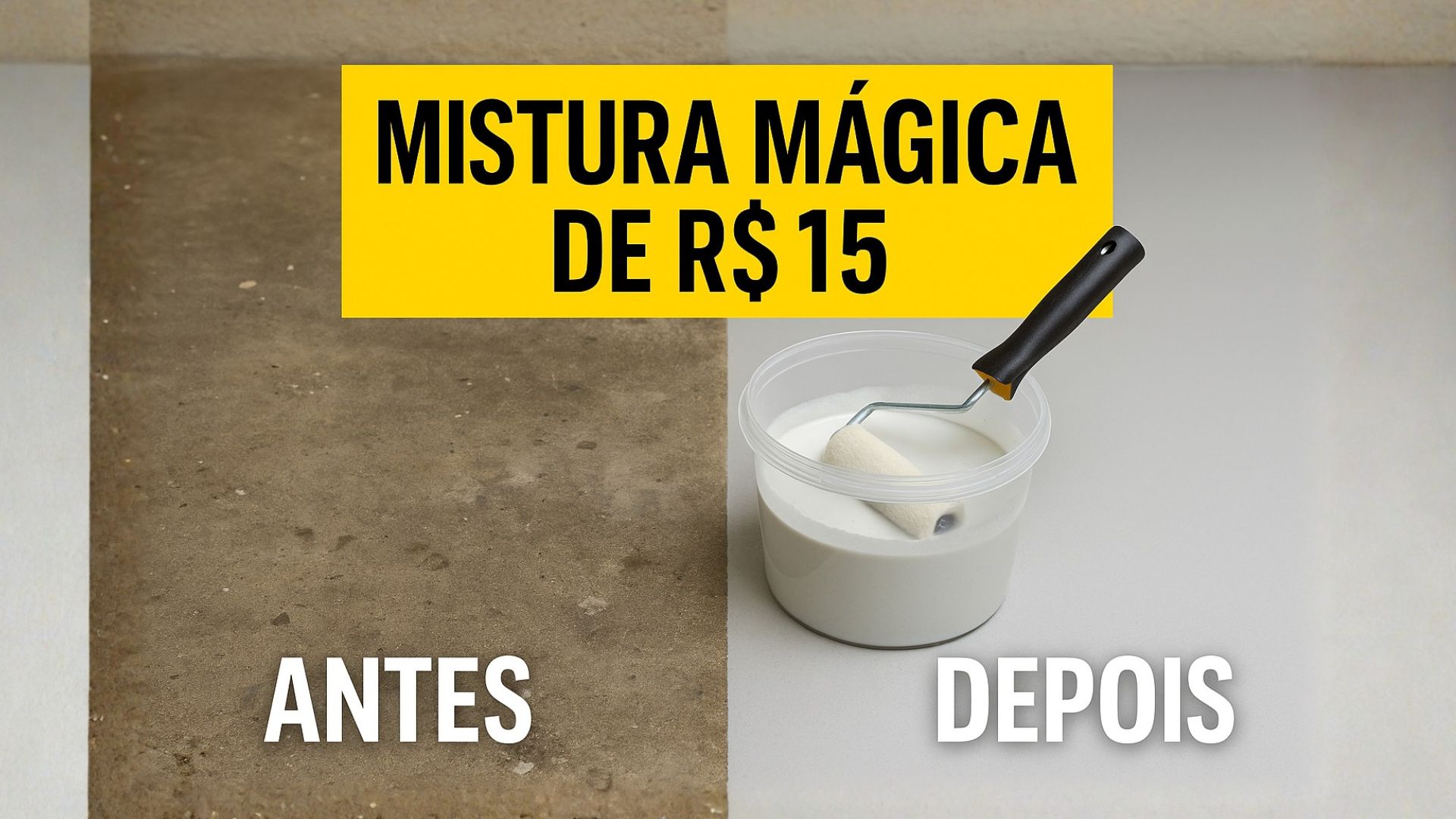


A recipe used in home renovations promises to unify cement floors, create a protective layer, and keep costs low, awakening interest from those seeking simple alternatives for home maintenance.
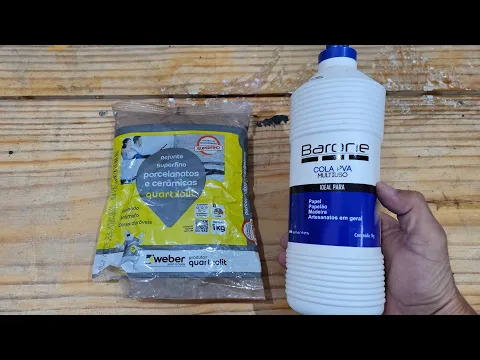
A recipe that combines powder grout, PVA white glue, and water, with occasional use of acrylic resin, has been presented in home renovation tutorials as a kind of homemade paint for stained cement floors.
Construction and DIY content describes the mixture as a low-cost alternative, mentioning that it can unify the color of sidewalks, slabs, and service areas, create a superficial protective film against stains and moisture, and keep expenses with materials under R$ 15, when small packages and controlled measurements are used.
Function of the Mixture of Grout with White Glue
The central point of the recipe is the use of grout in a function different from its traditional application between ceramic pieces.
-
11-Year-Old Entrepreneur Sells 60 Homemade Sweets Daily, Mastering Cost Calculation, Social Media Promotion, and Client Negotiation Since Age 7

-
Peruvian Mountain’s 5,200 Aligned Holes May Unveil Ancient Indigenous Market for Corn and Cotton
-
The Little-Known Story of a Home-Built Airplane That Promised Freedom but Faced Safety Issues After Numerous Accidents

-
He Didn’t Build a Plane, But Spent Decades Trying to Make Bicycles Fly with Wings and Pedals; Remaining Models Tell This Unusual Story in Germany



In these tutorials, the cement powder is diluted in water and combined with PVA glue to form a continuous film over the cement floor.
According to explanations found in these materials, the grout adheres well to the porous surface of the concrete due to its cementuous base, while the glue acts as an additional binder, reinforcing the adherence of the layer formed to the substrate.
In general, the recommended procedure starts with hydrating the grout until it reaches an intermediate consistency.
Only after this step is the PVA white glue incorporated, which, according to the preparation instructions, would help avoid bubbles and ensure a more uniform mixture.

Proportions and Variations of the Homemade Recipe
The published recipes maintain a similar structure, with occasional variations in proportion.
In various tutorials, the use of approximately 1 kilogram of powder grout appears as a reference, an amount that, when diluted, can yield enough volume to cover larger areas, depending on the dilution and number of coats.
The PVA glue is typically added in amounts that vary between 200 and 400 milliliters per kilogram of grout, according to each step-by-step guide.
Some versions also include acrylic resin, described as an element that could increase surface resistance and reduce water absorption.
The final mixture aims to achieve a fluid texture that can be applied with a paint roller.
The instructions recommend incorporating the powder gradually, stirring continuously until visible lumps are eliminated.
Application on Cement Floors
The tutorials show the use mainly on simple cement floors, such as garages, backyards, and service areas.
Demonstration images display differences in color uniformity after application.
In some cases, the grout already comes pigmented; in others, the use of specific dyes for mortars is indicated, in order to adjust the tone according to the environment.
Protection Against Moisture
The claim that the mixture can “help retain moisture” frequently appears in the available explanations.
This capability is attributed, according to these tutorials, to the combination of cementuous grout with PVA glue and, eventually, acrylic resin, elements that together would reduce the superficial permeability of the floor.
Still, the contents themselves emphasize that it is a superficial protection solution, indicated for everyday use and not as a replacement for deep waterproofing systems applied in structures subject to constant infiltration.
Costs and Yield

The economic factor appears frequently.
The sum of a 1-kilogram package of grout, small bottles of PVA glue, and any portions of acrylic resin typically results in a total cost below R$ 15, according to calculations presented in the tutorials.
The yield depends on the consistency chosen and the number of coats.
Application Inspired by Regular Painting
The application guidelines follow a logic similar to that of common painting.
The floor must be clean and free of loose particles.
Then, the mixture is spread with a wool or foam roller.
For some of the consulted authors, one coat already produces a visible change, but two applications are usually suggested for greater uniformity.
The drying time is compared to that of water-based paints used in masonry.
Role of Additives: PVA Glue and Acrylic Resin
Didactic content on civil construction points out that PVA white glue, when used as an additive in cementitious mixtures, can improve adherence, reduce microcracks, and increase wear resistance.
The acrylic resin, when applied, functions to close pores and create a less permeable film, facilitating cleaning.
Some reports claim that this component can give a certain shine to the floor, a characteristic that varies according to the type of environment and user preference.
Limitations and Safety Precautions
Despite its popularity, the mixture is classified by the tutorials themselves as a homemade solution, without extensive laboratory testing, technical assessments, or durability guarantees equivalent to industrial paints intended for flooring.
Therefore, it is recommended to observe the behavior of the surface over time, especially in areas exposed to rain, intense sun, or heavier traffic.
Handling powder grout requires basic precautions, such as using a mask to avoid inhaling particles and gloves for individuals sensitive to cementitious products or PVA glues. Ventilated environments are recommended, especially when the mixture includes acrylic resin.


