Portuguese
  Spanish




Export of Beef Offal Generates US$ 604.9 Million in 2025, Reaches 267.3 Thousand Tons, and Strengthens Brazil’s Presence in 128 Countries with a 20.6% Revenue Growth
Brazil, the world’s largest exporter of beef, recorded a revenue of US$ 604.9 million from the export of beef offal in 2025, totaling 267.3 thousand tons shipped and a 20.6% increase in revenue compared to 2024.
Export of Beef Offal Gains Ground and Diversifies Sector Revenue
Known internationally for premium cuts such as picanha, alcatra, and contrafilé, the country also consolidates a significant business front with less consumed by-products.
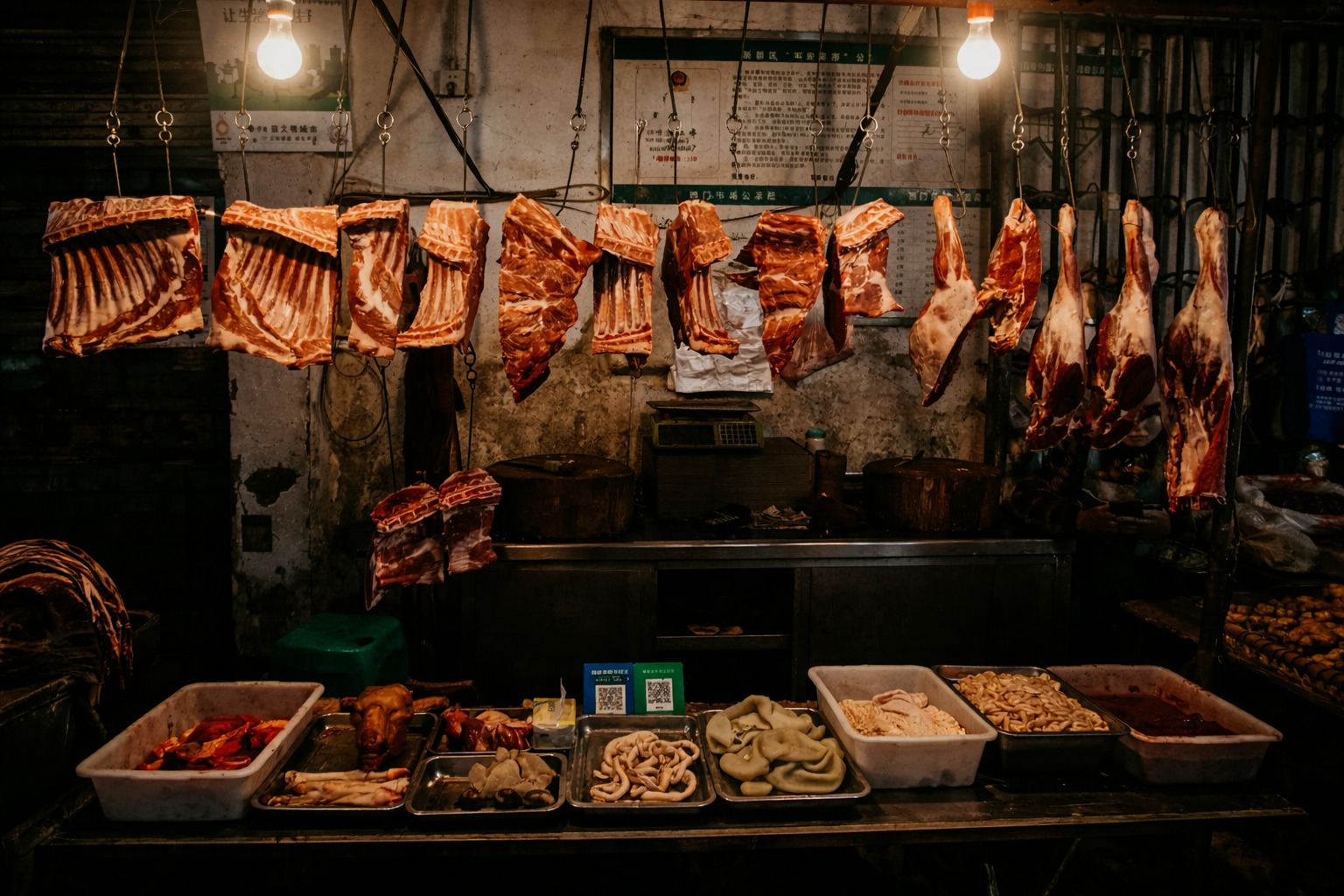
The export of beef offal includes entrails, tripe, and various organs that find consistent demand, especially in markets in Asia, Africa, and Latin America.
-
Chinese E-commerce Giant Predicts Robots Will Replace 700,000 Delivery Workers as Autonomous Vehicles Expand to 200 Cities, Offering Training for Workers to Maintain Their Machines

-
Trump warns Europe with 100% tariff threat on digital tax, potentially impacting wine and trade agreements

-
As Homeownership Becomes Unattainable in Brazil, Japanese Municipalities Offer Abandoned Houses for as Low as $3,000 to Revitalize Aging, Emptying Cities
-
Job Market in 2026 Welcomes High School Graduates: Logistics, Retail, and Construction Hire Without College Degrees; Quick Courses in Forklifting, Building Electricity, and Welding Boost Salary Prospects


According to the Mato Grosso Meat Institute, many of these items are part of traditional dishes or are used by the food industry in different cultures.
This group includes heart, kidneys, stomach, and intestines, as well as parts of the head such as cheeks, tongue, and brain. Also on the list are tail, diaphragm, tendons, pancreas, and testicles.
Among the products with the highest added value is the beef tendon, exported raw under strict sanitary protocols. Hong Kong is one of the main destinations for this item, where the price per ton can reach up to US$ 6,000.
In some Asian traditions, such as traditional Chinese medicine, the organ is considered an aphrodisiac and is used in cooked preparations and stews, valued for its texture and ability to absorb spices.
Consolidated Market Sustains Regular Monthly Shipments
According to Alan Gutierrez, marketing manager at SulBeef, the sale of the tendon occurs continuously, with an average monthly volume of four to five tons.
He believes the regularity proves there is a structured market for this type of by-product.
The export of beef offal also highlights the strength of the livestock sector in Mato Grosso. The state accounts for 23.1% of national beef exports in 2025, maintaining a prominent position in the export scene.
For Bruno de Jesus Andrade, project director at the Mato Grosso Meat Institute, the ability to meet different consumption profiles demonstrates organization in the production chain and potential for value addition at all stages.
He states that expanding the portfolio reduces risks and strengthens the competitiveness of meat produced in the state in the global market.
Hong Kong Leads Purchases and Accounts for 23.4% of Export Volume
In 2025, the 267.3 thousand tons of beef offal generated US$ 604.9 million for Brazil. This result represented a 20.6% increase in revenue compared to the same period in 2024.
Hong Kong was the main destination, absorbing 23.4% of the total exported and generating US$ 168.9 million in revenue.
For this market alone, 62.6 thousand tons of lower-grade cuts were sent, including 8.2 thousand tons of tripe, 6.7 thousand tons of tongue, and over half a ton of tail.
Other relevant importers included Russia, with 26.2 thousand tons of items such as tongue, liver, and tripe; Egypt, with 31 thousand tons; and Ivory Coast, which acquired 22.3 thousand tons.
A total of 128 countries purchased beef offal from the Brazilian herd in 2025. In the previous year, seven new markets began importing these products: Philippines, Indonesia, Morocco, Tanzania, Sarawak, Saint Vincent and the Grenadines, and Kenya.
The opening of these destinations reinforces the strategy of commercial diversification and expands opportunities for the sector, which continues to explore specific consumption niches.
This movement helps sustain agribusiness revenue and consolidate Brazil’s presence in different regions of the world, maintaining a steady flow of shipments and expanding the base of international buyers.
With information from Gazeta do Povo.