





 Portuguese
  English
  Spanish
  5 min of reading
  0 comments


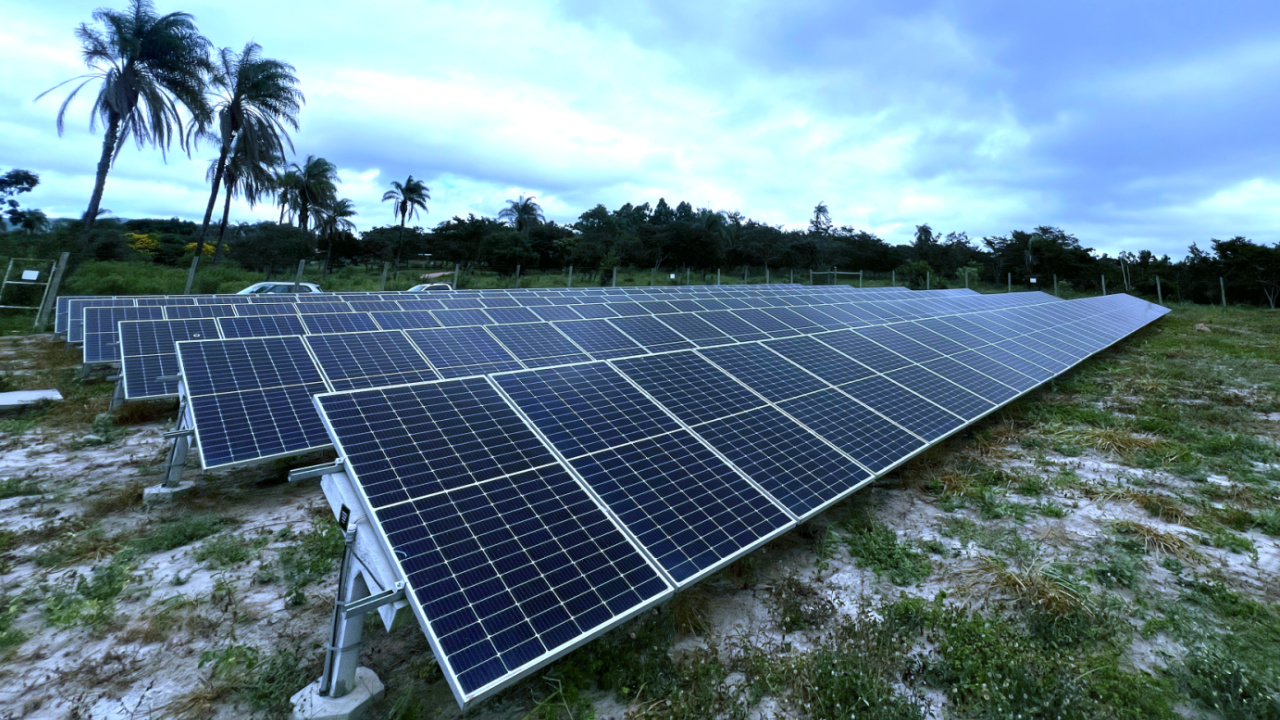
The MinasCoop Energy Program, Created by the Ocemg System in Minas Gerais, Will Be Replicated in Argentina with the Support of the International Cooperative Alliance. The Initiative Combines Solar Energy, Cooperativism, and Social Impact, and Already Benefits Millions of People in Minas.
The innovative model of solar energy generation developed in Minas Gerais will cross borders and gain ground in Argentina, in an initiative supported by the International Cooperative Alliance (ICA) — an entity linked to the United Nations (UN), as reported this Thursday, 09. The project, named MinasCoop Energy, is an achievement of the Ocemg System and aims to unite sustainability, solidarity, and social development within cooperativism.
The proposal will be replicated in Argentine territory as part of a global strategy to promote clean and democratic energy transition, reinforcing the role of cooperatives in building a future with lower carbon emissions.
Minas Cooperativism as a World Example of Clean Energy
The MinasCoop Energy program has already transformed the reality of dozens of mining communities. Currently, the program serves 52 cooperatives and 80 social institutions, including daycare centers, hospitals, and nursing homes, impacting 4.3 million people throughout the state. Among the beneficiaries is the traditional Santa Casa de Misericórdia de Belo Horizonte, which has started to reduce costs and redirect resources to its core activities.
-
Solar panels at sea can generate up to 12% more energy than land-based plants, study finds: Researchers from Taiwan discovered that offshore solar panels take advantage of the natural cooling of water to increase electrical efficiency, reduce heat losses, and expand renewable energy production in regions with limited available land space.

-
The era of solar panels attached to roofs is beginning to change with transparent glass that generates energy while keeping the view unobstructed, and perovskite photovoltaic windows already tested in offices in Japan promise to transform entire facades into invisible power plants without blocking light or altering the appearance of buildings.

-
The era of silicon alone in solar energy comes to an end with the arrival of perovskite, a material that captures a broader light spectrum, is applied as a thin film, and, together with silicon, reaches a theoretical limit of 45% efficiency in tandem modules.

-
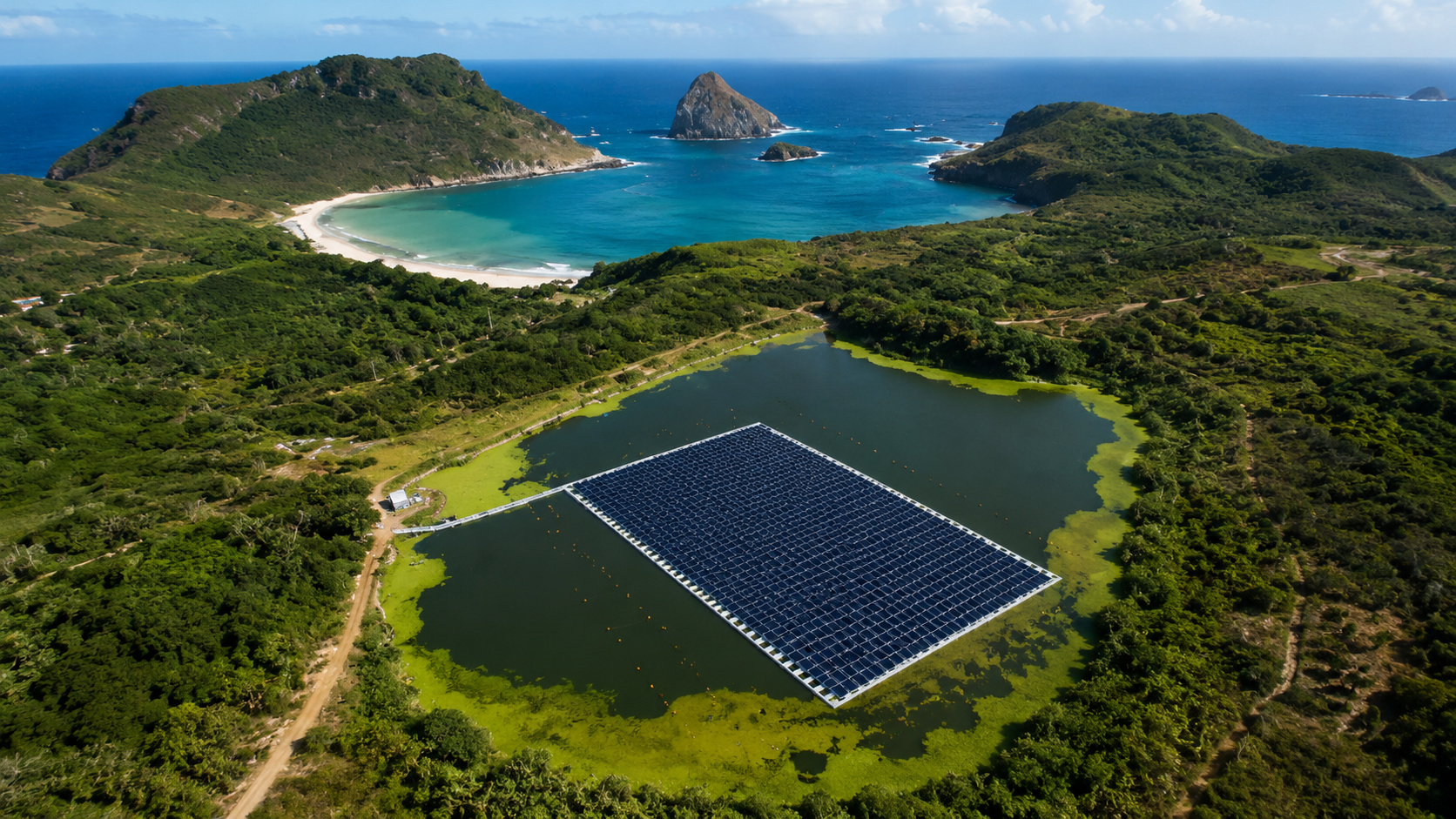
Fernando de Noronha begins unprecedented energy transformation with a R$ 350 million solar plant that promises to replace diesel generation and change the island’s sustainable future by 2027.



The president of the ICA, Ariel Guarco, visited the first three plants of the project in Cristália, in northern Minas. The facilities were built on previously unproductive land of small farmers, who now have stable income through leasing these areas.
Guarco, who also leads the Argentinian Cooperative Confederation (Cooperar) and Fedecoba, emphasized the global relevance of the project:
“I found it extraordinary how the project combines democratic energy transition, solidarity, and commitment to community development. It is a replicable program worldwide.”
Solar Energy and Inclusion: A Model of Social Impact
The president of the Ocemg System, Ronaldo Sucato, explains that the program’s differential is the combination of clean energy generation with direct social responsibility. Part of the energy produced by the plants is donated to philanthropic institutions in the communities where the cooperatives operate.
“This combination of cooperativism, transition to clean energy, and direct social responsibility positions it as a reference aligned with ten of the 17 UN Sustainable Development Goals,” says Sucato.
Currently, the program is in a phase of dissemination and expansion, and Argentina is the country furthest along in the replication process. “The idea is for the Minas experience to inspire other regions and serve as a model for new cooperative energy policies,” adds the leader.
International Expansion and UN Recognition
The MinasCoop Energy gained international visibility when presented at the opening plenary of the International Year of Cooperatives, in New Delhi, India. At the time, the superintendent of the Ocemg System, Alexandre Gatti Lages, shared real stories of families transformed by the initiative.
The program’s projection and the Argentine interest consolidate the role of Minas cooperativism as a strategic agent in advancing solar energy in Latin America. The replication in other countries also reinforces the project’s alignment with global commitments to decarbonization and sustainable development.
Concrete Results in Minas Gerais
The MinasCoop Energy was launched in 2020 in partnership with the government of Minas Gerais and now has 138 photovoltaic plants in operation, distributed across 88 municipalities. In total, the installed capacity reaches 14 megawatt-peak (MWp), allowing for the donation of more than 2.6 million kilowatt-hours (kWh) per year to social institutions.
The economic and social impact is visible. To date, the program has already generated 1,147 direct and indirect jobs and allocated R$ 232 thousand to 12 rural families who leased their lands for the installation of the plants. For these families, previously without a stable source of income, the initiative represents dignity and opportunity.
Moreover, the economic return is quick: the investment has an estimated payback of five years, reinforcing the financial viability of the energy transition.
For Ronaldo Sucato, the project’s success proves that it is possible to unite economic growth, social justice, and environmental sustainability in a single strategy. The goal now is to consolidate the MinasCoop Energy as the engine of the energy transformation of Minas cooperatives.
“We want to increase the number of plants, boost installed capacity, and benefit more social institutions. The focus is to ensure that cooperativism remains a protagonist in the fair and inclusive energy transition,” says the president of the Ocemg System.
The leader also emphasizes that the model helps to reduce regional inequalities, generate jobs and income, and strengthen the role of cooperatives as agents of innovation and environmental responsibility.
Partnership with Small Producers and Combatting Energy Poverty
One of the pillars of MinasCoop Energy is the appreciation of small rural producers. The land used to install the plants is leased from local farmers, who receive fair and predictable compensation. This creates a new source of income and maintains the circular economy in the communities.
The initiative also helps to combat the so-called energy poverty, a phenomenon still present in various rural areas of Brazil and South America. By producing clean and accessible energy, the program contributes to local development and reduces dependence on fossil fuels.
With the confirmation of Argentine interest, the Minas model of cooperative solar energy will become a reference for the entire region. The president of the ICA, Ariel Guarco, stated that he will bring the proposal to Argentinian cooperativism, aiming to adapt it to local realities and then expand it to other countries in Latin America.
The initiative paves the way for a new energy paradigm, in which cooperatives take center stage in the green transition. The combination of technological innovation, social impact, and environmental sustainability makes the project an example of how clean energy can transform entire communities.
More than a solar energy program, MinasCoop Energy is a platform for social and environmental transformation. The model combines technology, solidarity, and efficient management, inspiring the cooperative world and the energy sector.
With the support of the UN and the ICA, the Minas project arrives in Argentina as a symbol of a sustainable future for all of South America. A future where sunlight becomes not only energy but also opportunity, income, and dignity for millions of people.






Be the first to react!