Portuguese
  Spanish


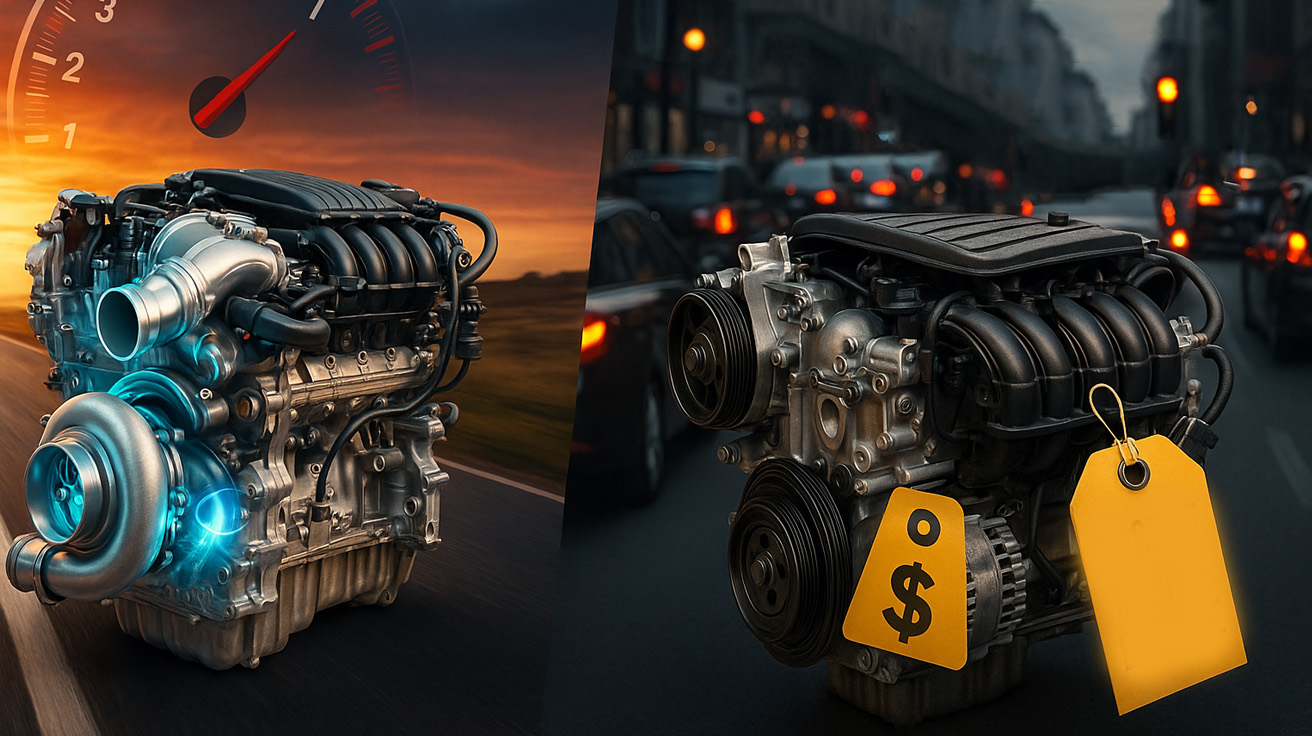


Comparing Engines Has Ceased to Be Just a Matter of Power or Consumption. Understanding How Each System Responds to Urban or Highway Use Can Prevent Unexpected Costs, Increase Durability, and Even Influence Future Resale Value.
The Choice Between Naturally Aspirated or Turbocharged Engine Begins With the Purpose of Use.
Those Who Value Simplicity, Low Cost, and Reliability Tend to Prefer Naturally Aspirated Engines.
Those Who Value Performance, Efficiency Through Power, and a Sporty Style Tend to Prefer Turbocharged Engines—As Long As They Are Willing to Accept More Demanding Maintenance.
-
Thailand Converts 8 Tons of PET Bottles into 3,500 School Backpacks, Showcasing Circular Economy with Over 40 Factories Involved

-
Mysterious Bats Spotted in Paris’s Père Lachaise Cemetery, Drawing Tourists to the “Vampire Cemetery”

-
Spain Launches World’s Largest Floating Dry Dock: 56-Meter Giant Produces Massive Concrete Structures in A Coruña Using Technology Proven in Brazil
-
From Selling Street Food to Leading a $300 Million Construction Firm: The Journey of a Brazilian Entrepreneur





Mechanical Engineer Breno Henrique Points Out That, Besides the Technical Difference, It Is Essential to Consider the Usage History and Maintenance Already Performed on the Vehicle.
In Many Cases, a Well-Maintained Turbo Engine Can Last as Long as a Neglected Naturally Aspirated Engine.
How Naturally Aspirated or Turbocharged Engines Work
The Naturally Aspirated Engine Uses Only Atmospheric Pressure to Draw Air, Without Supercharging Devices.
This Makes It Simpler—Fewer Moving Parts, Less Risk, and Linear Throttle Response.
On the Other Hand, the Turbocharged Engine Uses a Turbocharger—Powered by Exhaust Gases—to Compress Air, Delivering More Oxygen and Increasing Power Without Raising Engine Displacement.
It’s the Famous “Downsizing”.
Advantages and Challenges of Both Types of Engines
Naturally Aspirated Engine
Lower Mechanical Complexity, With a Simpler Structure and Less Likelihood of Failures: Just the Basics Are Needed.
Low Operating Cost: Without Turbo, Intercooler, or Extra Valves, Maintenance Is More Affordable.
Predictable and Linear Driving, Ideal for Smooth Urban Driving.
Estimated Durability: Less Thermal Wear at Low RPMs Extends Longevity.
Turbocharged Engine
High Power and Torque at Low RPM: The Turbo “Delivers Fast”, Useful for Overtaking or Acceleration.
Energy Efficiency: Smaller Engines Performing Like Larger Ones, With Potential Savings Comparable to or Greater Than Naturally Aspirated Engines.
Advanced Technology, Featuring Direct Injection and Modern Turbines That Reduce Actual Consumption.
More Rigorous Maintenance: Requires Synthetic Oil, Frequent Changes, Cooling Off Before Shut Down, and High-Octane Fuel.
High Repair Costs, Especially in Case of Turbo Failure—Operating Under High Temperatures Requires Constant Attention.
Consumption Differences in Naturally Aspirated or Turbocharged Engines
Under Moderate Use, Turbo or Naturally Aspirated Engines May Tie, But Everything Changes With Driving Style.
According to Tests, the Turbo Can Be Up to 50% More Fuel Efficient With Smooth Driving.
On the Other Hand, Naturally Aspirated Engines Show Less Variation (Up to 30%).
Data from Inmetro Show Average Fuel Consumption of 15 km/l on the Highway for Both (1.0 Naturally Aspirated and 1.0 TSI), but the Turbo Stands Out in Real Use Thanks to Direct Injection Technology.
In Urban Traffic, Mild Hybrids with a 1.0 Turbo Engine, Such as the Fiat Pulse Bio-Hybrid, Offer a Reduction of Up to 11.5% in Gasoline Consumption Compared to the Naturally Aspirated Version.
Maintenance and Longevity Care
For the Naturally Aspirated or Turbocharged Engine to Last, Follow the Manual:
Naturally Aspirated Engine: Regular Oil, Filter, and Spark Plug Changes Ensure Durability.
Turbocharged Engine: In Addition, Pay Attention to Driving Style, Warm-Up Period, and Use of Additive Gasoline to Preserve Valves and Reduce Carbon Build-Up.
Despite the Extra Component, Many Factory-Produced Turbos (Like the 1.0 TSI and 1.2 Turbocharged) Have Lifespans Equal to or Greater Than Naturally Aspirated in Standard Maintenance.
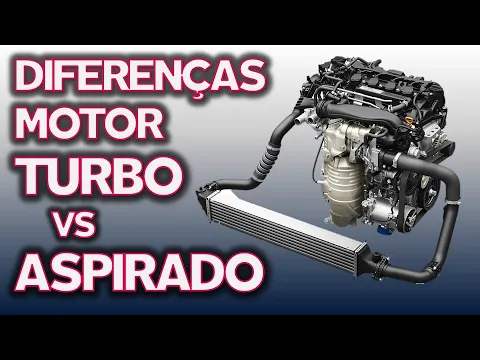

When to Choose Naturally Aspirated or Turbocharged Engine
Urban Profile, Calm Use, and Focus on Cost-Effectiveness: Choosing a Naturally Aspirated Engine Provides Long-Term Savings on Maintenance and Offers Smooth Driving.
Dynamic Profile, Frequent Highways, or Sporty Style: The Turbocharged Engine Excels With Instant Torque and Better Performance—As Long As You Accept Extra Responsibilities.
And, Of Course, Evaluate Real Conditions: Mileage, Service History, Previous Use, and Component Condition Are Vital Factors, Often More Important Than Engine Technology.
Trend: The Future of Turbocharged or Naturally Aspirated Engines
The Brazilian Market Is Moving Toward Progressive Electrification: Turbo Electric Engines and Mild Hybrids (MHEV) Are on the Rise, Alongside 48V Systems.
Models Like the Jeep Compass T270 Hybrid, VW Tera, and Chevrolet Tracker Will Bring This Combination in 2025.
This Trend Is Accelerating: In 2025, Over 57 Hybrid and Electric Cars Will Arrive in Brazil, Strengthening the Mix of Performance, Economy, and Sustainability.