






 Portuguese
  Spanish


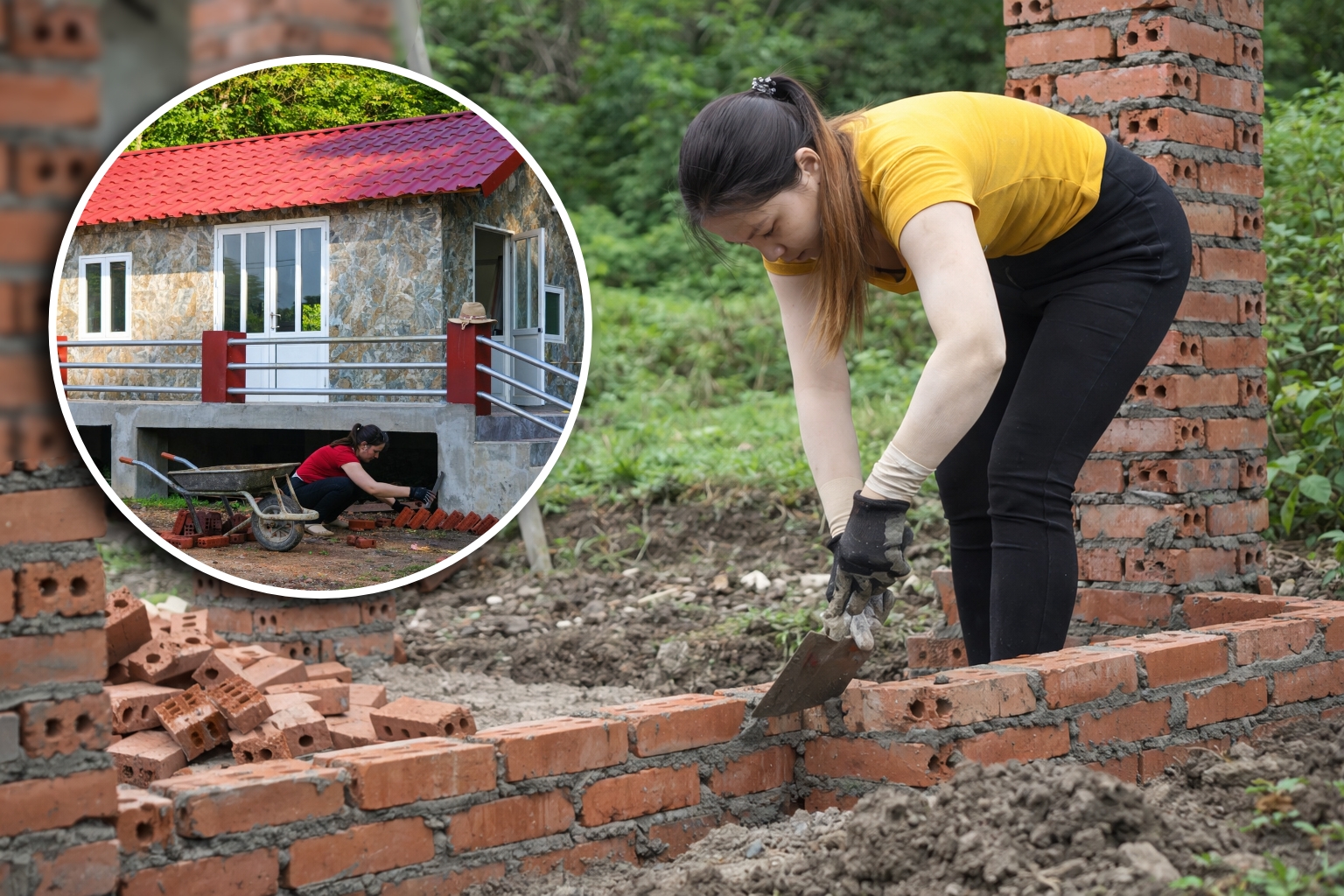


After Losing Her Old House In A Fire, She Decided To Rebuild From Scratch With Reinforced Foundation, Brick Walls, And Wooden Roof, Running Each Step With Method And Resilience
Losing a house is already devastating. Rebuilding everything from scratch, amidst dense foliage, seems unlikely. But that’s exactly what happened: a woman builds a house from scratch after a fire and transforms a raw plot into a complete residence in 90 days.
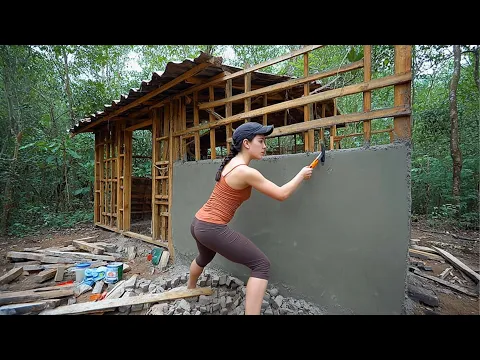

What existed before was uneven soil, dense vegetation, and scattered roots. What emerges afterward is a structure with concrete foundation, exposed metal bars for bracing, aligned brick walls, and a roof supported by wooden beams.
The story draws attention because it does not involve industrial machines or a large team. It involves method, technical sequence, and physical resilience. And this, in basic engineering, makes all the difference.
-
Giant 3,600-ton Crane Breaks Two World Records by Installing World’s Largest Single-Piece Forged and Welded Hydrogenation Reactor, Weighing 3,037 Tons, in Chinese Petrochemical Plant in Just Six Days

-
$80 Million Bridge in Brazil Cuts Travel Time from 30 Minutes to 1 Minute, but Audit Reveals Major Flaws
-
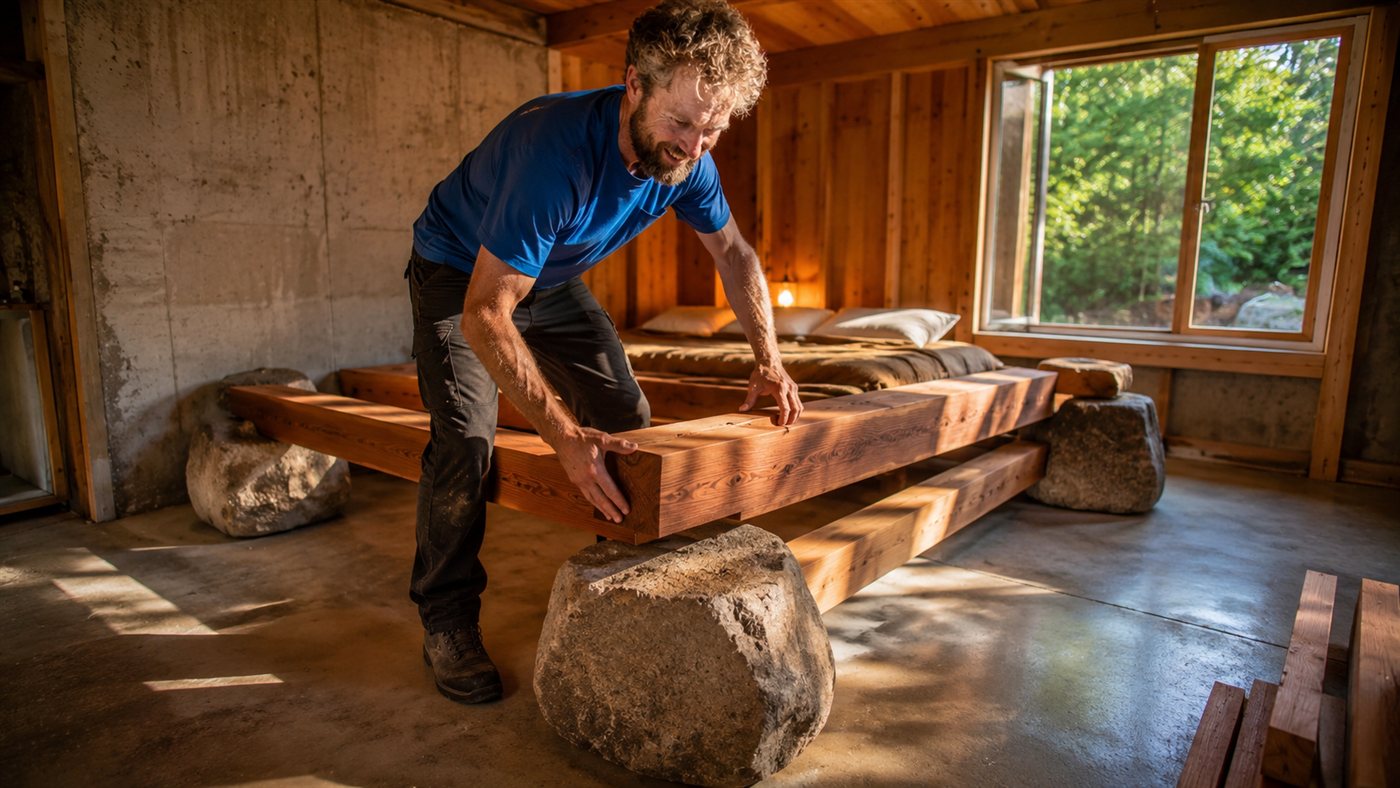
Man Builds Stone Bed with Granite Rocks and Hand-Sawn Cedar Beams, Home Extension Garners Over 437,000 Views on Bonus Bolts Channel

-
British Factory Transitions from Mechanical Parts to Producing 420,000 Electric Power Units Annually, Supplying 70% of Ford’s Electric Cars Sold in Europe




The Structural Challenge Of Starting From Absolutely Zero On Uneven Soil Surrounded By Dense Vegetation
Before any concrete, the heaviest part came. The area needed to be manually cleared with hoe, shovel, and machete. Shrubs were then removed along with the uprooted roots and the top layer of soil exposed.
The land had clear unevenness. The solution was to level it, move mounds of earth, and compact the soil until a more uniform base was formed. Wooden stakes marked the perimeter of the future construction.
This moment defines everything. Without stable ground, no foundation can support load. Experts often say that stability begins with soil preparation, even when there’s no official number released about strength or compaction.
The scene shifted from dense forest to organized construction site. The reconstruction began there.
The Foundation With Concrete And Metal Bars That Supports The Whole House And Reveals The Secret Of Resilience
With the land ready, excavations began. Rectangular trenches were opened at the main points of the structure. Inside them, vertical and horizontal metal bars formed the visible framework.
Wooden forms were positioned around the trenches. A mixture of cement, sand, and stone was manually poured until filling the molds. The concrete received careful leveling.
The detail that stands out is the presence of partially exposed metal bars after drying. They indicate structural continuity and bracing with the future walls.
This is the backstage that few people notice. The house does not start with bricks. It starts with the reinforced foundation that distributes load and prevents premature cracks.
Brick Walls Rise In Precise Sequence And Transform Open Ground Into Enclosed Space
With the base consolidated, the laying of bricks began. Each row received mortar applied with a trowel. The alignment remained continuous.
Openings for doors and windows were left during the elevation of the walls. The volume of the construction began to take a clear shape.
The visual impact is immediate. What was once just a marking on the ground transforms into a defined vertical structure. Interior and exterior begin to actually exist.
According to construction experts, checking plumb and alignment during masonry prevents future corrections that cost time and materials. And this became evident in the execution.
Wood Structure And Roof Close The House And Completely Change The Internal Dynamics
After the walls, wooden beams and rafters were placed on the masonry. Thus, the sloped structure was built to support the roofing.
Tiles or panels were fixed with nails, creating a complete closure of the top of the structure. The house is no longer exposed to the open sky.
This stage alters the dynamics of the work. With the roof installed, the interior becomes protected from direct rain and intense solar incidence.
In practice, it is the moment when the structure stops being just a construction and begins to function as shelter.
Plaster, Concrete Floor, And External Organization Consolidate The Reconstruction
The walls received plaster applied with a trowel, covering the exposed bricks and creating a smooth surface. The floor was leveled with a layer of mortar or concrete spread and manually smoothed.
The door was installed with hinges fixed to a previously adjusted wooden frame. The internal space now had a uniform finish.
On the outside, the surroundings were reorganized. Paths were cleared, and the earth removed at the beginning was redistributed. Simple steps facilitated access.
The complete transformation reveals a technical domino effect. Each correct step made the next possible. And the final result supports this logic.
The reconstruction drew attention because it combines human resilience and well-applied basic techniques. When a woman builds a house from scratch after a fire using reinforced foundation, bricks, mortar, and wood, what is seen is method working in practice.
And you, would you have the courage to face raw land and start all over again? Leave your opinion in the comments.






Fantástico!que mulher de fibra
Eu teria coragem sim, só não sei se eu aguentaria kkkkkk