






 Portuguese
  Spanish


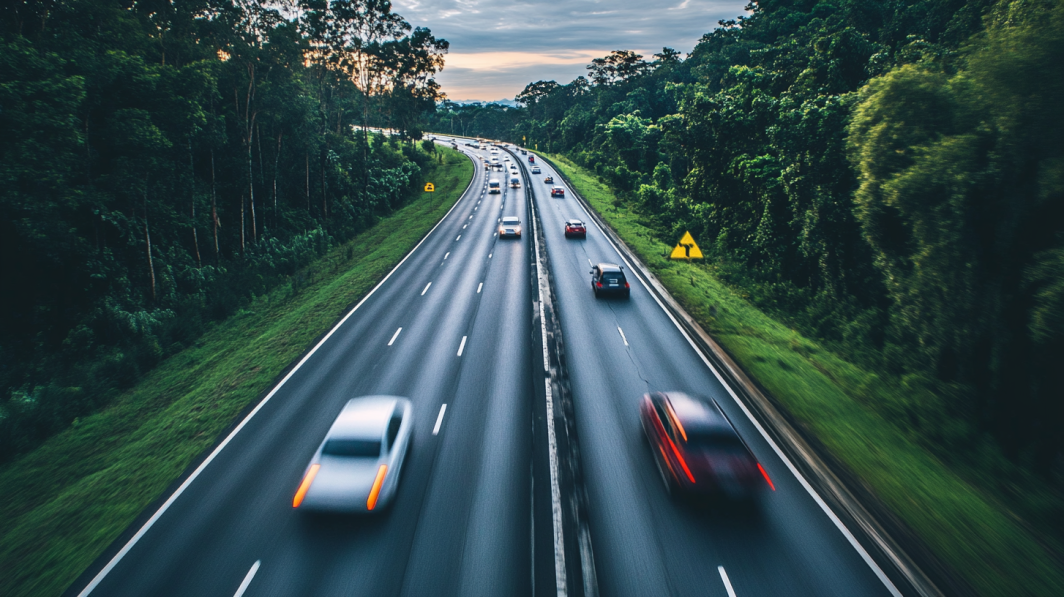


As of today, speed cameras are issuing fines. The goal is to reduce accidents and fatalities on critical avenues. According to the city’s mayor, electronic surveillance is aligned with educational campaigns and the expansion to other roads.
On the busy avenues of the West Zone of Manaus, a revolution in road safety promises to transform the daily lives of drivers.
As of this Thursday (02), the electronic surveillance cameras, which had been operating in an educational capacity, will begin issuing fines.
With the end of the adaptation period, drivers need to double their attention to avoid penalties and contribute to traffic safety.
-
BYD Patents Revolutionary System Using Computer Vision to Detect Animals Under Cars Before Starting, Preventing Tragedies

-
Study Reveals Why Cars Are More Expensive to Produce and Buy in Brazil Compared to Mexico, Highlighting Taxes, Logistics, and Industrial Costs as Key Factors.
-
Brazilian Startup Turns Coffee Grounds into Plant-Based Leather, Cutting Water Use by Over 50 Times for High-Impact Sustainable Fashion
-
Eco Invest Auction Aims to Unlock $10 Billion in Investments, Focusing on Green Fertilizers, Critical Minerals, Batteries, and AI for Clean Industry in Brazil




According to the Municipal Institute of Urban Mobility (IMMU), the cameras initially installed on Avenida do Turismo were strategic, considering the high rate of accidents in the area.
The installations began on May 27 and had a 90-day adaptation period.
During this time, drivers could familiarize themselves with the monitoring without the risk of fines.
Now, the surveillance will be expanded to other important avenues in the city, such as Coronel Teixeira, Governor José Lindoso, Torquato Tapajós, and Grande Circular.
Impact on Traffic and Reduction of Fatalities
The expectation is that the cameras will significantly reduce the number of accidents and deaths caused by speeding.
According to data released by the IMMU, the number of traffic fatalities dropped from 160 in the first half of 2022 to 125 in the same period of 2023, representing a 28% reduction.
As highlighted by the mayor of Manaus, David Almeida (Avante), traffic safety also positively reflects on public finances, with lower medical costs resulting from accidents.
“The impact is direct. The number of orthopedic surgeries is huge, but we hope this surveillance will reduce those numbers and bring more education to traffic,” he stated in an interview for the year-end special of the newspaper A Crítica.
Education and Surveillance as Allies
The cameras are part of a broader plan that includes educational campaigns to raise awareness among drivers about the importance of respecting speed limits.
The combination of surveillance and education is seen as essential for transforming the driving culture in Manaus.
These actions are complemented by the strategic placement of the equipment in seven critical sections of Avenida do Turismo, covering locations such as:
- Ponta Negra Tourist Complex;
- Mediterranean I Condominium;
- Viver Tarumã Residential;
- Municipal School Marechal Cândido Rondon;
- Bolivia Stream Bridge;
- Viva Vida Tarumã Condominium;
- Vida Film Company.
Expansion of Surveillance
The decision to expand surveillance to other avenues was made after initial success.
The next roads targeted, such as Torquato Tapajós and Grande Circular, experience heavy vehicle traffic and high accident rates, justifying the measure.
The municipality’s goal is clear: to save lives and promote safer traffic.
The population is also encouraged to collaborate by respecting speed limits and adopting more conscious attitudes.
Prevention That Saves Lives
The implementation of the cameras aligns with a global trend prioritizing traffic enforcement technologies to reduce accidents.
Electrified monitoring is a response to demands for more safety and less recklessness on the streets of the capital of Amazonas.
And you, reader, do you believe that electronic surveillance is enough to change drivers’ behavior, or do you think other measures are necessary? Comment below!


