






 Portuguese
  Spanish


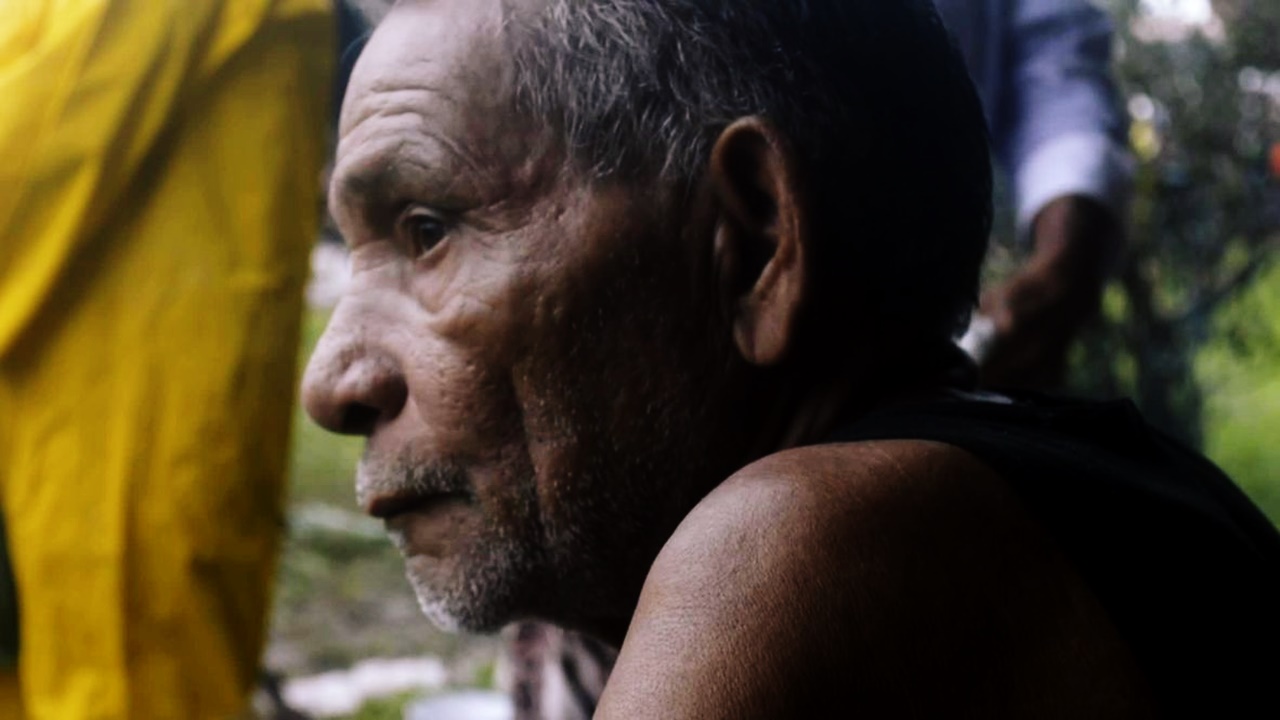

Norwegian Miner Hydro Is Being Sued by 11 Thousand Families in Lower Amazon for Water Contamination, Environmental Degradation, and Health Effects on Residents in the Area.
A class action has been initiated involving 11 thousand families in Pará against the Norwegian aluminum company Norsk Hydro ASA regarding an activity that, according to lawyers, is illegal and has led to water contamination in the region, environmental degradation, and health effects on residents in the area, says Estadão/Broadcast. Giant Potassium Reserves Were Discovered in Amazonas and Pará
Also Read
- Multinational Vehicle Manufacturer General Motors Announces Billion-Dollar Investment in São Paulo Factories
- Mercado Livre Offers 2500 Scholarships for Technology Course; Secure Your Spot!
- 2250 Job Openings for Work on VLT Construction Projects in the State of Bahia
- Oil and Gas Multinational Wood Group Is Receiving Resumes for Various Job Openings in Offshore Roles in Macaé and Rio de Janeiro on This Day 12
The lawsuit filed in Europe seeks compensation for the damages caused to the communities of Barcarena and Abaetetuba, in the lower Amazon, due to the improper disposal of toxic waste in the Murucupi River, as well as other effects of the presence of aluminum operations controlled by the company. The government of Norway controls 34% of its capital – its largest shareholder.
In most cases, the victims are members of Cainquiama – Amazonian Association of Mestizos, Indigenous People, and Quilombolas. Some individuals’ way of life and subsistence is entirely dependent on the forest and the waterways of the Amazon River and its tributaries.
-
$134.7 Million Project in São Paulo Installs Over 5 Kilometers of Pipes, Creates New Underwater Crossing to Boost Water Supply for Over 450,000 People

-
At 61, Former Homeless Wheelchair User Receives Key to Container Home in Brazil, Declares Independence
-
São Paulo Highway to Receive Over $260 Million in Upgrades, Including 90 Kilometers of Service Roads and New Infrastructure, by 2027
-
Couple Transforms Abandoned Seaside Public Restroom Bought for £33,000 into £295,000 Beach House After a Decade of Renovations





They are fighting in court for compensation for environmental damages, including water contamination and forest destruction, as well as for the negative impacts on the health of local communities.
According to Norsk Hydro’s press office, the company “has just received notification of a Dutch lawsuit from Cainquiama and will respond as requested before the Dutch court.”
Norsk Hydro stated that matters related to Cainquiama are already being discussed in Brazilian courts. Since 2017, according to the press office, the association has filed five lawsuits in Brazil against different entities of the Norwegian company in Brazil. “Regarding the rainfall event of 2018, there was no overflow and no evidence of contamination,” it emphasized.
One of the concerns is with the leakage of bauxite and other aluminum by-products, which could cause severe damage to human health, such as gastrointestinal diseases, hair loss, increased incidence of cancer, Alzheimer’s, and skin burns.
For the defense lawyers, the history of Norsk Hydro’s operations in the region follows a narrative similar to the tragedies of Brumadinho and Mariana in Minas Gerais, both because the miner neglects basic safety requirements in aluminum extraction in Barcarena and because it denies those affected compensation for the damages caused. In the cases of Mariana and now Hydro, the law firm PGMBM leads the case abroad – the Mariana case was opened in the United Kingdom.
by – Estadão/Broadcast


