






 Portuguese
  Spanish


Kenyan startup recycles plastic from Mombasa and produces durable school desks, combining education, circular economy, and job creation.
On the coast of Kenya, discarded plastic that threatens coastal communities and marine ecosystems is gaining a new use inside classrooms. In Mombasa, the startup Twende Green Ecocycle has transformed plastic waste recycling into a model that combines circular economy, school furniture, and social impact. The company claims it converts marine plastic and plastic waste from informal settlements into durable furniture, with a focus on eco-desks, school desks made from recycled material.
The proposal tackles two problems at once: plastic pollution and the lack of infrastructure in schools that need more affordable and durable furniture.
Recycled plastic becomes school desks in Mombasa and gains value in classrooms
Twende Green Ecocycle presents itself as a social enterprise created in Mombasa to tackle plastic pollution while supporting education with sustainable furniture. On its official website, the startup states that it converts marine plastic waste into eco-friendly and durable furniture, with a special focus on schools in underserved communities.
-
Your Old Gmail Address Might Be Obsolete Soon: Google Introduces Feature Changing Account Usage.

-
Lost Fossil Found in Brazil Unveils 240-Million-Year-Old Reptile Predating Dinosaurs, Redefines Evolutionary Map and Highlights Southern Brazil’s Role in Understanding Crocodile and Dinosaur Ancestors

-
China to Drill 15 Kilometers into the Earth, Set to Break Russia’s Record for Deepest Man-Made Hole
-
Researchers Use Algae to Enhance 3D-Printed Walls, Boosting Strength by 25% and Speeding Construction by 33%


The company’s most well-known product is the eco-desk, described by partners and platforms following the project as an alternative to conventional wood.
The proposal is to replace part of the traditional furniture with pieces made from recycled plastic, reducing pressure on forest resources and extending the lifespan of the material used in schools.
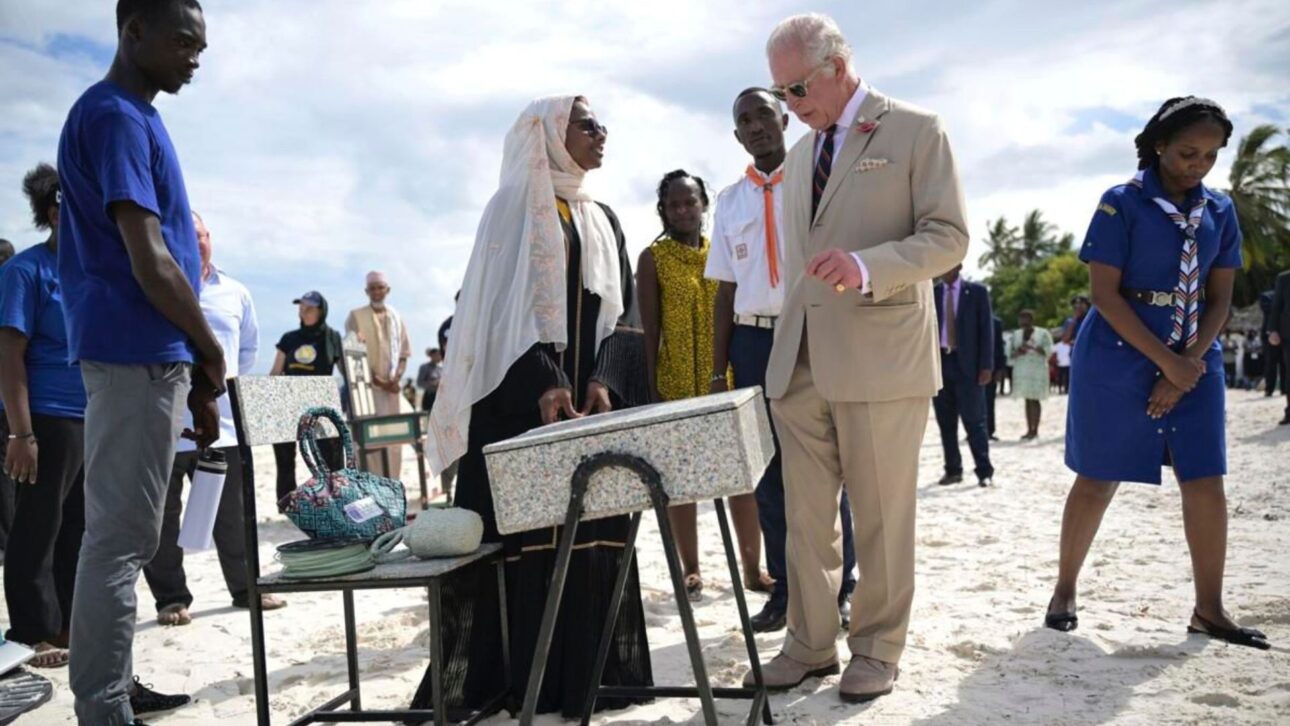
Plastic recycling in Kenya combines education, circular economy, and job creation
The strength of the project lies in the combined impact model. Close the Gap describes Twende Green Ecocycle as a social enterprise dedicated to transforming marine plastic waste from informal settlements into eco-friendly school desks, also generating jobs, local economic growth, and sustainable education.
The same organization reports that the initiative began in Mombasa with partnerships between community groups, collection companies, and individual waste pickers. This network helps remove waste from the environment, feed the recycling chain, and create income around a material that previously had low economic value and high environmental impact.


In practice, the project transforms plastic waste into a productive asset. This reinforces the logic of the circular economy: the waste ceases to be just an environmental liability and returns to the market as a real-use good, with direct application in schools facing furniture deficits.
Sustainable school furniture reduces wood use and increases durability
The platform The World Around, which highlighted the work of Lawrence Kosgei and Twende Green Ecocycle, states that the company collects marine plastic in informal settlements in Mombasa and transforms it into durable, tree-saving school furniture. The text also cites the eco-desk as the startup’s main product.

On the official website, the company states that its furniture is more affordable, durable, and resistant to water, pests, and harsh conditions. This point is central to the project because schools in vulnerable areas often need products with greater resistance to intense use and climate.
By opting for recycled plastic instead of wood, Twende Green Ecocycle connects the environmental agenda to school infrastructure. The gain is not only in removing waste from the environment but in delivering a functional product with economic appeal and concrete application in the daily lives of students and schools.
Mombasa project aims to reach 1 million sustainable furniture pieces by 2035
Twende Green Ecocycle states on its website that it intends to deliver 1 million pieces of sustainable furniture by 2035, keeping plastic out of the ocean and transforming waste into solutions. This is the main public scale goal presented today by the company.
In addition to school desks, the site shows that the startup also works with other types of furniture, such as chairs for auditoriums, customized pieces, and products for different environments. This indicates that the business model is already trying to go beyond a single item and expand the commercial application of recycled plastic.
The expansion of the goal reinforces the industrial and social nature of the project. The greater the production, the greater the impact tends to be on waste removal, furniture supply, and the generation of economic opportunities around recycling.
Kenyan startup shows how plastic waste can become a solution for schools
The case of Twende Green Ecocycle draws attention because it translates a chronic problem into a practical response. Instead of treating plastic merely as waste without a destination, the company reintegrates it into the economy in the form of school furniture with social function and market value.

By linking plastic recycling, education, and job creation, the startup built a model that addresses central challenges of many African coastal cities. The result is an initiative that reduces environmental pressure, strengthens local work chains, and improves the available infrastructure in schools.
More than an isolated case of waste reuse, the Mombasa project has established itself as an example of innovation applied to the circular economy.
The waste that once threatened the sea and coastal communities now supports a durable, scalable solution directly linked to the future of education.


