






 Portuguese
  Spanish


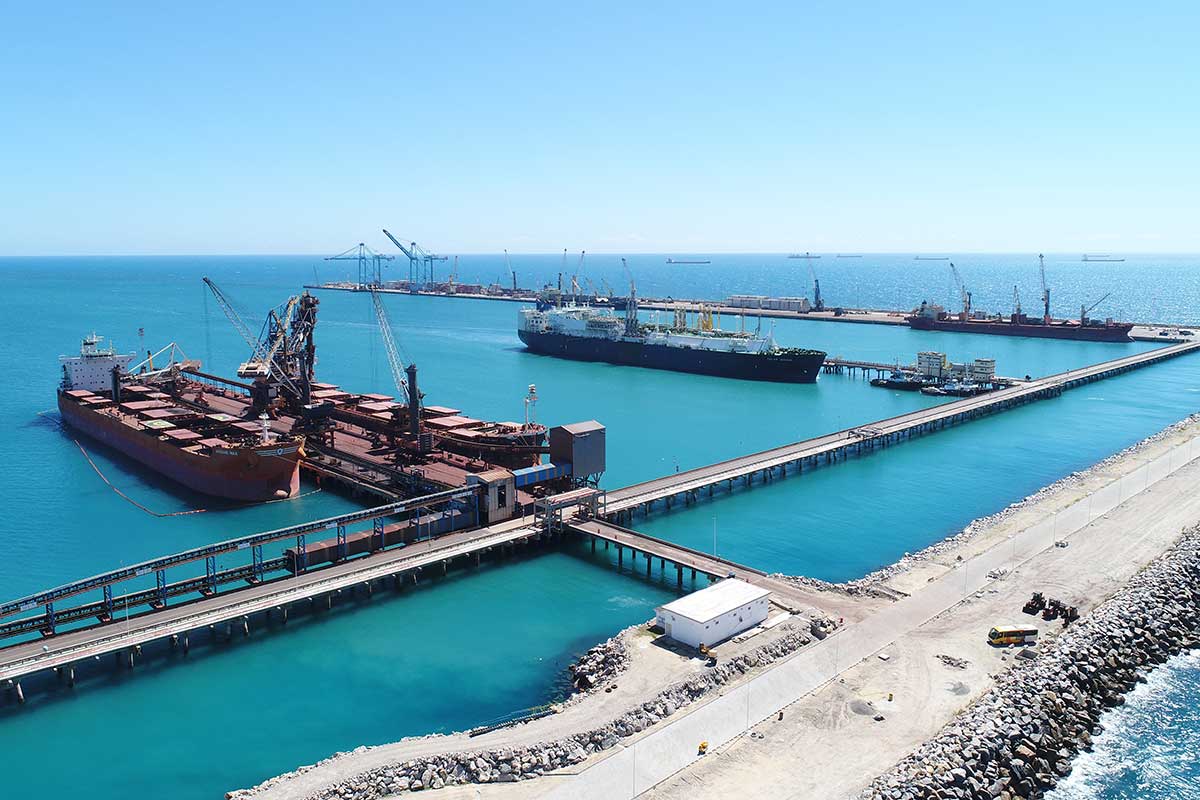

Located in São Gonçalo do Amarante in Ceará, the Port of Pecém had over 1.36 million tons of cargo transported in January
Cargo transportation at the Port of Pecém increased by 7% in the first two months of this year and reached a new milestone – the terminal handled over 3 million tons of cargo in 2021. According to data from the Pecém Complex, the volume increased by 21.7% from January to February. The volume of cargo transported at the port, located in Ceará, was over 1.36 million tons in January and 1.66 million tons in February.
Increase in Movement at the Port of Pecém
The traffic observed at the Ceará terminal this year is also slightly higher than the monthly average of 2019 (the year with the highest movement in the history of the Port of Pecém). In the first two months of 2021, the average production was 1.54 million tons.
Check the cargo movement in the first two months of the last four years:
-
Chinese Manager Accused of Whipping Worker Sparks Protest by 1,200 Employees at Major Brazilian Factory

-
The FLIP: A 108-Meter Ocean Laboratory That Stood Vertically for 60 Years, Dismantled in 2023

-
France Revamps 530 Social Housing Units with Large Balconies and Glass Facades Without Demolishing Existing Buildings
-
10-Year-Old Max Makes History with Paris Fashion Show, Launches Own Brand, Hires Staff, and Sets World Record as Youngest Runway Designer




- 2021 – 3,093,868 tons;
- 2020 – 2,879,626 tons;
- 2019 – 2,584,235 tons;
- 2018 – 2,564,097 tons.
Cabotage at the Port of Ceará
During this period, more than half of the cargo was transported along the coast, with 1.69 million tons in the first two months of 2021, an increase of 27% compared to last year. In cabotage transportation, iron ore, steel plates, grains, and salt stand out among the cargo transported.
The main discharges of cabotage: ores (722,678 t), pig iron (76,269 t), cereals (59,643 t), and plastics (25,371 t). The main shipments of cabotage carried out at the Port of Pecém in Ceará were: pig iron (269,846 t), salt (72,001 t), grinding industry products (27,803 t), aluminum (21,217 t), plastics (16,706 t), and cereals (11,830 t).


