Portuguese
  Spanish




Students from Espírito Santo Create Low-Cost Technology to Detect Drowsiness and Alert Drivers.
An innovative project developed by three students from the Federal Institute of Espírito Santo may become a powerful weapon against accidents on the roads. The anti-sleep glasses, created to detect signs of drowsiness while driving, were designed to be affordable and efficient, with a production cost estimated at only R$ 122, according to information from CNN Brasil.
Technology of the Anti-Sleep Glasses Aims for Safety on the Roads
The device was idealized by Caleb Gomes Menguete Fabris, Henrique Velten da Silva, and Natalia Dantas Sá, all students at IFES – Guarapari campus. Motivated by the high accident rates caused by fatigue, they developed equipment capable of emitting an audible alarm as soon as it detects signs of sleep in the driver.
According to the Brazilian Association of Traffic Medicine (Abramet), 42% of accidents on federal highways are related to drowsiness, ranking behind only the combination of alcohol and driving and speeding. The students believe that the anti-sleep glasses could be an essential ally in reducing these alarming numbers.
-
Sales of Brazil’s Cheapest Electric Car Halted Before First Deliveries: E-Motors Suspends Emova Easy Due to Import Tax Increase and Rising Freight Costs

-
Nissan Discontinues Qashqai SUV Amid Cost-Cutting, Chinese Competition, and Product Line Review

-
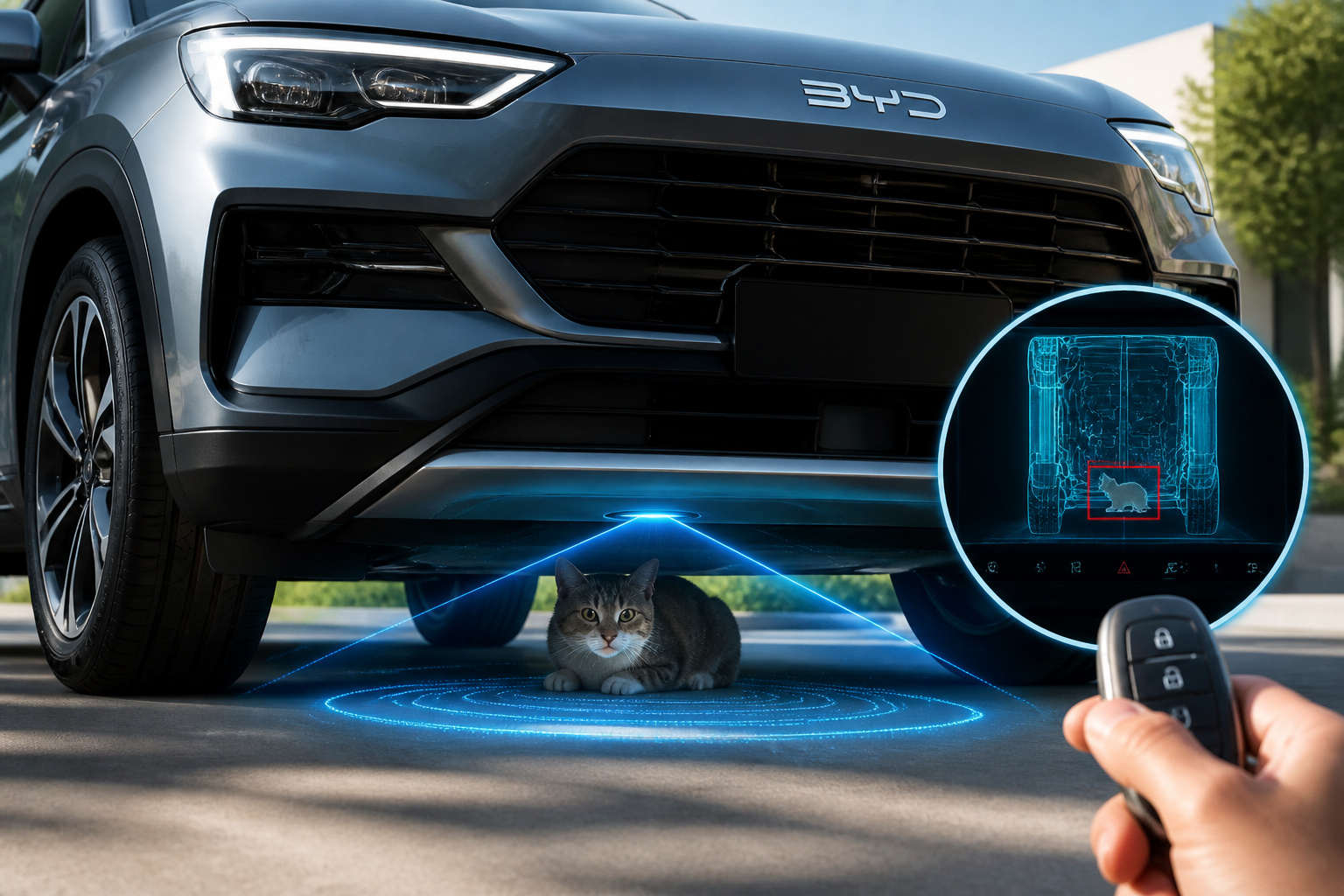
BYD Patents Revolutionary System Using Computer Vision to Detect Animals Under Cars Before Starting, Preventing Tragedies

-
Study Reveals Why Cars Are More Expensive to Produce and Buy in Brazil Compared to Mexico, Highlighting Taxes, Logistics, and Industrial Costs as Key Factors.



Operation of the Anti-Sleep Glasses is Simple and Practical
The technology embedded in the anti-sleep glasses gets straight to the point, as every good solution should: upon detecting signs of fatigue, the device triggers a sound alert that gradually increases in volume, avoiding sudden shocks to the driver. Additionally, the glasses are equipped with a removable battery, making both charging and swapping for a spare easier.
According to CNN Brasil, the group took about two years to develop the prototype, but they guarantee that today they could produce the equipment in just one day, thanks to the experience gained in the process.
Future of the Project: Expansion and Search for Sponsorship
The next step for the students is to find sponsors to turn the prototype into a commercially scalable product. The intention is to enhance the design, making it even more comfortable and appealing to the general public, without compromising the goal of keeping the anti-sleep glasses as a low-cost solution.
This initiative not only rescues the traditional spirit of innovation done with hard work and practice but also projects a safer future for those who rely on the roads every day.