Portuguese
  Spanish


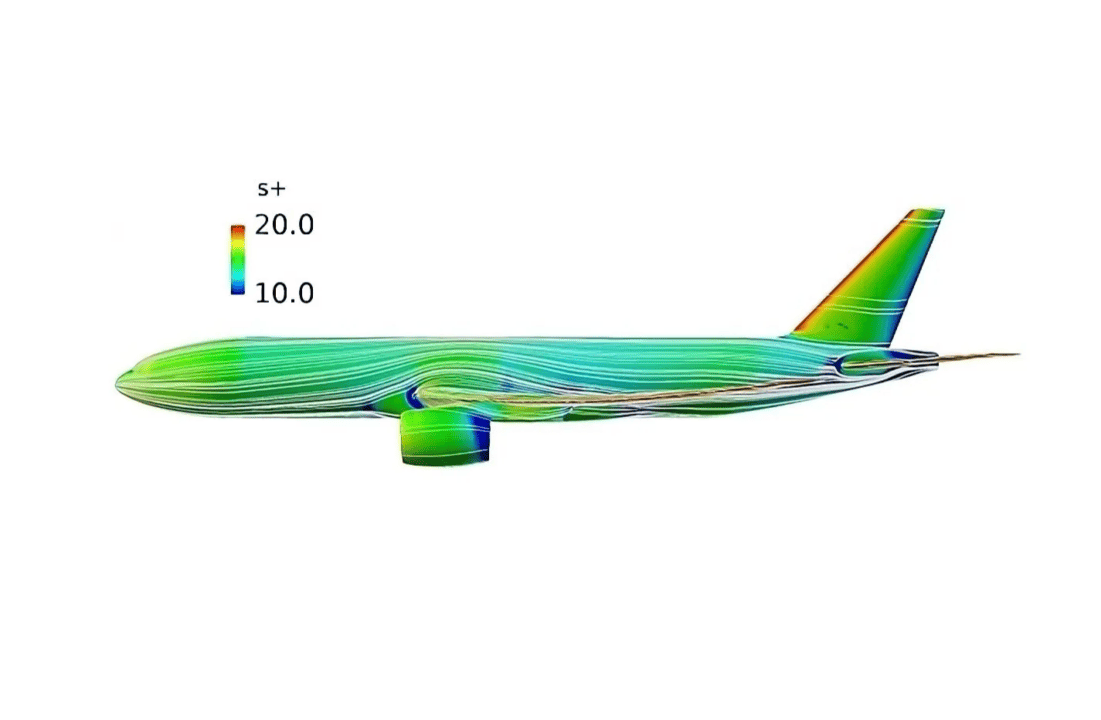

The Inspiration Came Straight from Nature: Japanese Researchers Developed a Painting Technology That Reproduces the Microscopic Texture of Shark Skin
A special paint, based on shark skin, is being tested by Japan Airlines as a way to reduce the environmental impact of aircraft.
The technology, which simulates the scales of marine animals, has as its main objective to decrease fuel consumption during flights.
Technology Inspired by Nature
The innovation is the result of a collaboration between Japan Airlines, the Japanese space agency JAXA, and Nikon.
-
Astronauts Returning from Space Show Altered Gut Bacteria and Loss of Protective Microbes, Highlighting Potential Risks for Mars Missions

-
Electrolux Unveils Smart Washing Machine Line with 12kg Capacity, 45-Minute Cycle, Automatic Dosing, Dirt Sensors, Sanitizing Steam, App Control, and User-Guiding Display
-
Realme Launches Affordable 16x 5G Phone with Military Certification, 6,600 mAh Battery, 50 MP Camera, and 6.8-Inch Screen Starting at $320

-
Amazonian Fruit Bacuri: A Nutrient Powerhouse with Antioxidants, Vitamins, and Bioactive Compounds, Ideal for Sweets and Beverages


The principle comes from the observation of dermal denticles in sharks, small structures that reduce drag in water. These microelements generate vortices that help the animal glide more easily.
The paint developed mimics these nanoscale structures. When applied to about 30% of the fuselage of a Boeing 787-9, it showed, in initial tests, a 5% reduction in air friction resistance.
Economy and Environmental Impact
According to the tests, this reduction can generate significant benefits on long routes. On a flight like Tokyo-Frankfurt, the annual savings per aircraft could reach 119 tons of fuel.
This also represents a reduction of up to 381 tons in CO₂ emissions per year.
The airline is now evaluating the paint’s durability in real flight conditions, including extreme temperatures and pressure changes. If testing continues to be positive, the expectation is to expand the application to an even larger area of the fuselage.
Advantages Over Other Solutions
Other companies had previously tested adhesive films with a texture similar to shark skin. However, the paint used by Japan Airlines offers an important advantage: it is applied directly over the existing paint, without altering the aircraft’s weight and without the risk of peeling during flight.
This solution can also be used on airplanes already in operation, without the need for major changes in structure. This makes the process more practical and quicker to implement.
Why Reducing Drag Matters
In aviation, drag is one of the main forces acting against the movement of the aircraft. The greater the drag, the more fuel the plane consumes to maintain its speed.
By reducing this resistance, the plane requires less energy to fly. This reduces environmental impact and improves performance. The new paint is another step toward more efficient and sustainable aviation.