






 Portuguese
  Spanish



SP on the Tracks Plans R$ 190 Billion in 40 Rail Projects by 2035. Program Integrates Southeast and Northeast and Promises to Revolutionize National Logistics.
In 2025, the São Paulo government consolidated the SP on the Tracks program, considered the largest state investment plan in railways in the country’s history. The project includes more than 40 initiatives among new lines, concessions, and modernizations, totaling an estimated R$ 190 billion in public and private investments by 2035.
The goal is ambitious: integrate the Southeast with the Northeast, reduce logistical bottlenecks, and reposition Brazil in international freight trade, decreasing dependence on road transport.
The Role of São Paulo as a Logistics Center
São Paulo accounts for nearly 32% of the national GDP and is responsible for a significant portion of port movement, especially through the Port of Santos. Today, a large part of the agricultural and industrial production from the Midwest and the interior of São Paulo depends on overloaded highways, with high logistical costs.
-
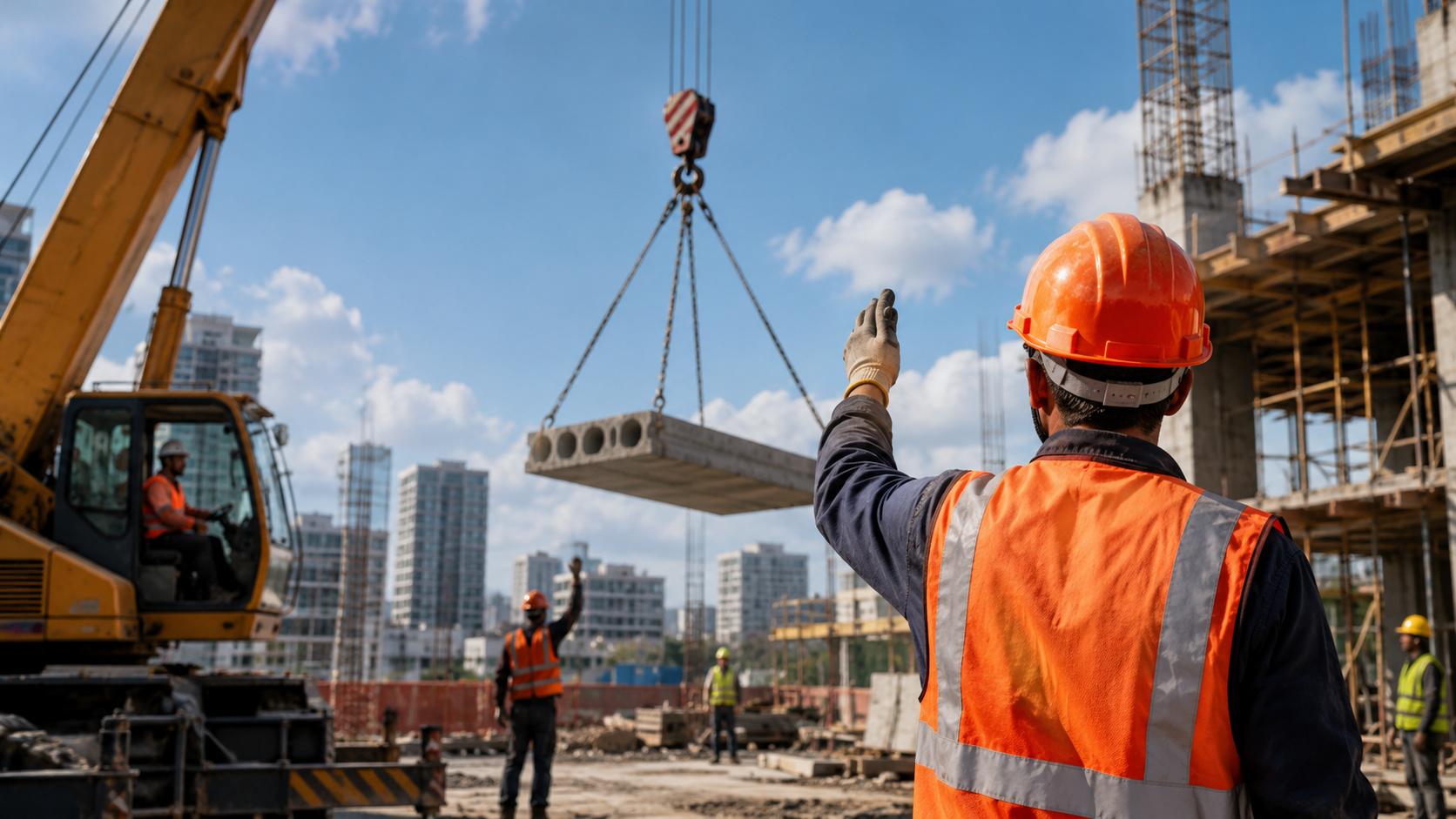
Why can the crane operator only obey the correct signalman on the construction site: among dozens of workers, a hand raised by the wrong person can confuse the maneuver and turn a load of tons into an immediate risk.

-
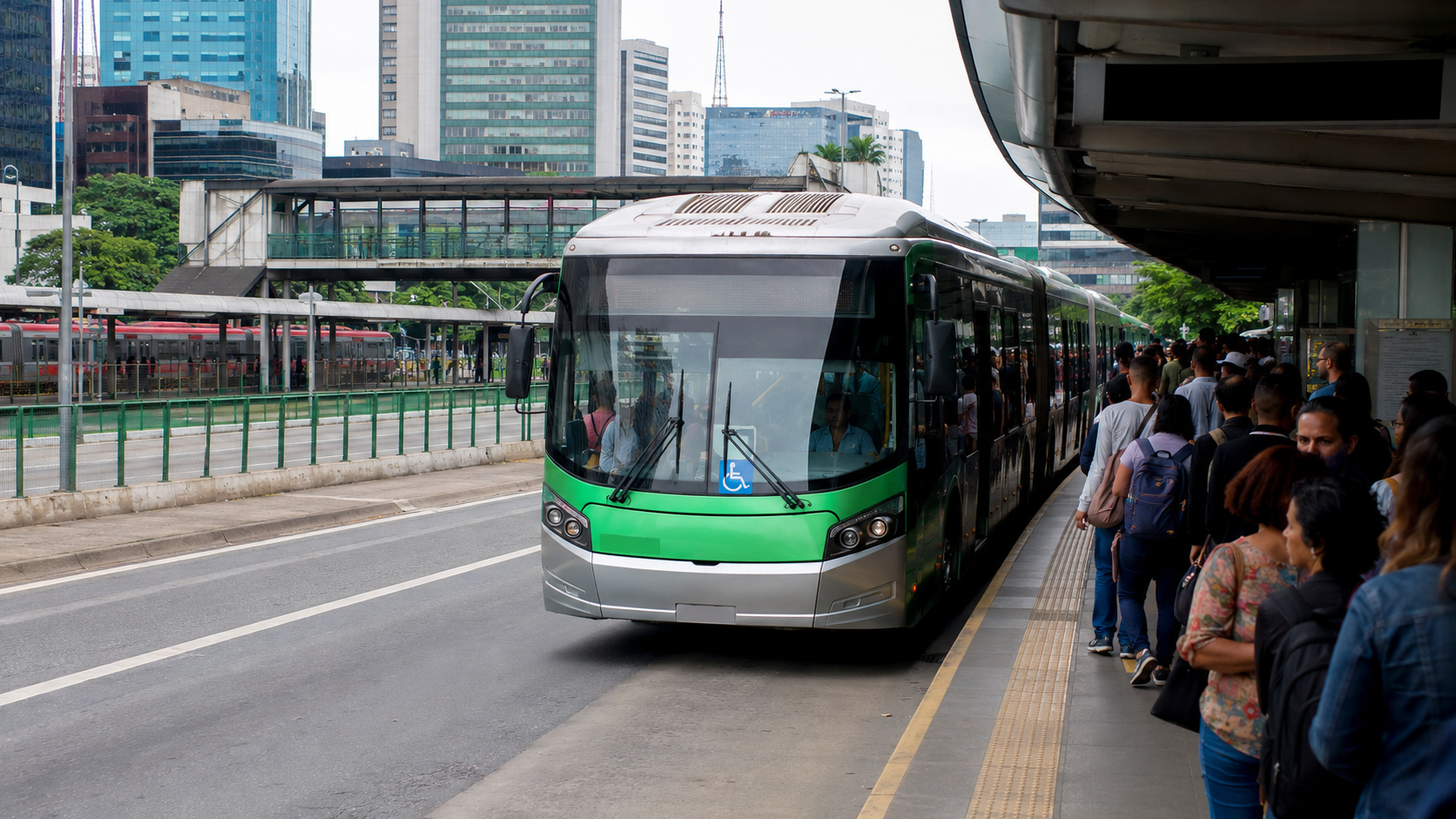
What changes with the new public transportation rules that can reduce pressure on fares and pave the way for zero fare in Brazil?
-
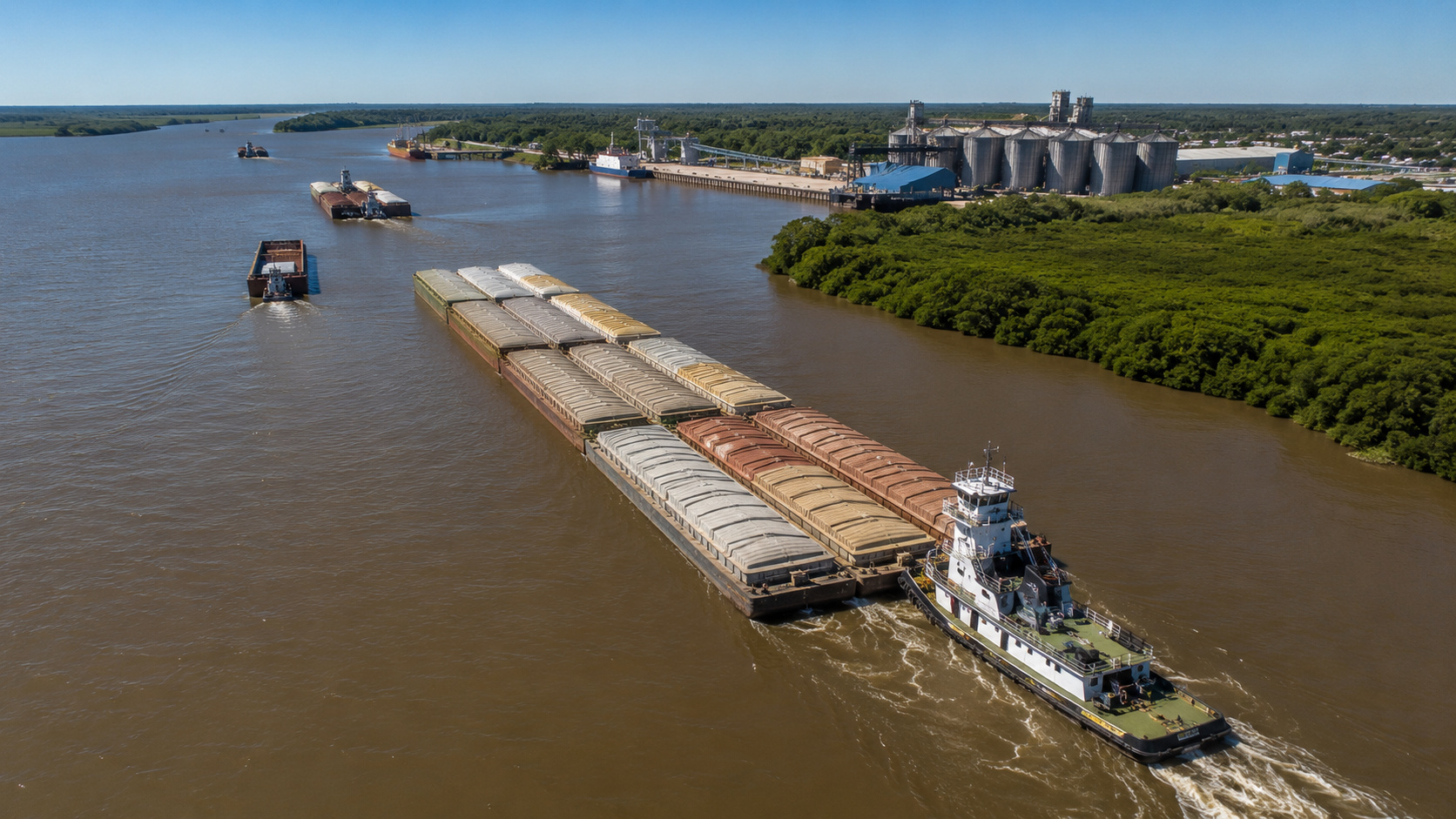
Argentina confirms Belgian giant to lead strategic Paraná River waterway and promises to reduce logistical costs on one of South America’s most important routes
-
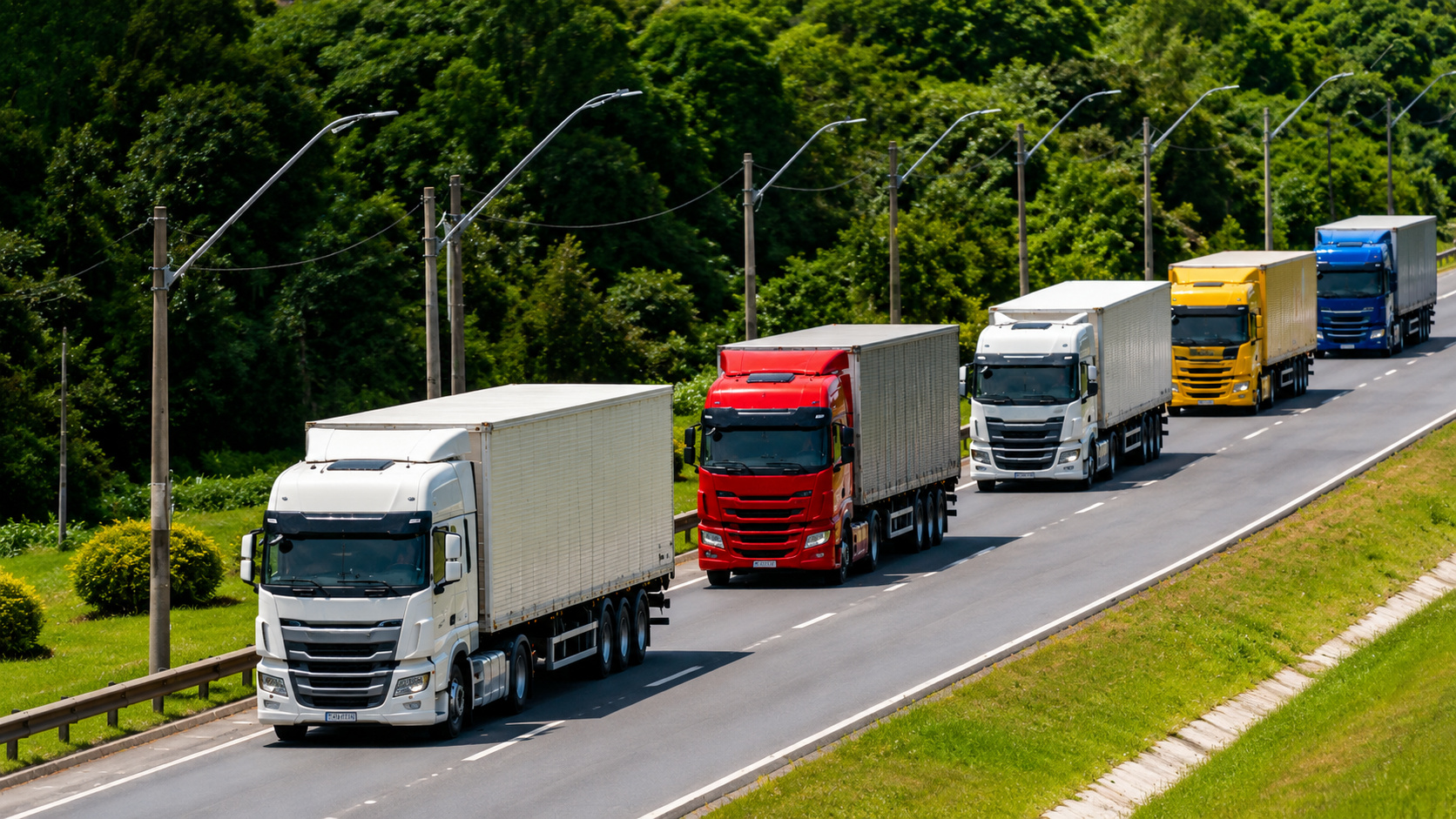
MBRF surprises the logistics sector by demonstrating how Artificial Intelligence can directly influence deliveries throughout Brazil by reorganizing distribution routes in seconds, optimizing fleet usage, reducing logistics costs, and speeding up product arrivals even in the face of unforeseen road incidents.
With the SP on the Tracks program, the goal is to transform the state into a national rail hub, connecting producing areas in the interior to ports and creating corridors that extend to the Northeast, expanding alternatives for exports.
Structure and Axes of the Program


The SP on the Tracks program is divided into three main fronts:
- Freight Railways: prioritize the connection between agricultural/mineral production areas and strategic ports, highlighting the expansion of corridors towards the Northeast.
- Passenger Railways: include the implementation of the Intercity Train (TIC), linking São Paulo to Campinas, Sorocaba, and São José dos Campos, in addition to studies for longer connections.
- Modernization and Integration: updating existing sections, reducing urban bottlenecks, and better utilizing underutilized networks.
Most Recent Advances of the Project
The most symbolic advance of the SP on the Tracks program occurred in March 2025, with the signing of the concession for the Alto Tietê Lot, which plans investments of R$ 14.3 billion.
The package includes the modernization and expansion of lines 11-Coral, 12-Safira, 13-Jade, and the Airport Express, in addition to the delivery of 10 new stations, renovation of 24 existing ones, construction of 4 new units, and expansion of 20 km of tracks.
The expectation is that this set of works will elevate capacity to up to 1.3 million passengers per day by 2040, with significant reductions in train intervals, marking a decisive step for the modernization of the São Paulo rail network.

The Intercity Train as a Showcase of the Program
The most emblematic project is the Intercity Train (TIC) Northern Axis, which will connect São Paulo to Campinas in 64 minutes, with trains traveling up to 160 km/h. The line is expected to transport more than 60,000 passengers daily and received part of the priority investments for 2025.
In addition to the TIC, there are expansion plans for Sorocaba and São José dos Campos, consolidating a unique passenger railway corridor in modern Brazil.
Billion-Dollar Investments and Private Participation
Of the R$ 190 billion planned for the program, a significant portion will come from private initiative through concessions, public-private partnerships, and financing.
Estimates indicate that more than 70% of the funds will be raised from the private sector, reinforcing the need for regulatory stability and legal security.
Among the already confirmed priorities are:
- Concession of new railway sections connecting São Paulo to the interior and the Port of Santos.
- Investments in multimodal integration, with logistics terminals connecting railways to highways and ports.
- Expansion of the network to the Northeast, utilizing existing corridors and integrating with future federal axes.
Expected Impact on Freight Transport
Railway transport is considered the most competitive mode for long distances. A freight train can replace up to 250 trucks, reducing costs, emissions, and transport time.
With the planned expansion in the program, the expectation is that the volume of railway cargo in the Southeast will increase by 40% by 2035, benefiting the flow of soy, corn, iron ore, and industrialized products.
This impact is expected to relieve overloaded highways, reduce accidents, and bring significant environmental gains.
Southeast–Northeast Integration
One of the most relevant aspects of the program is the connection with national projects, such as the Northern-Southern Railway and the West-East Integration Railway (FIOL).
From these connections, the SP on the Tracks program seeks to create a continuous railway corridor between the Southeast and Northeast, shortening routes for the export of grains and minerals, and strengthening regional integration.
This strategic connection could reposition Brazil as a more competitive global player in agricultural and mineral commodities.
Challenges and Bottlenecks to Overcome
Despite the potential, the program faces challenges:
- Bureaucracy and environmental licensing: large railway works require complex studies and may face resistance.
- Coordination between government spheres: success depends on the integration between state and federal programs.
- Attraction of private capital: ensuring predictability and return to investors will be essential.
Experts warn that the historical delays in railway projects in Brazil require caution.
While countries like China and India have rapidly expanded their railway networks in recent decades, Brazil still has only 30,000 km of active railways, much of it concentrated on mineral transport.
With the SP on the Tracks program, São Paulo seeks to align itself with international practices, increasing rail participation and reducing historical logistical bottlenecks.
Projections for 2035
If the goals are met, the program should:
- Increase freight railway transport by 40% in the state.
- Reduce average logistical costs by up to 25% in strategic corridors.
- Increase passenger movement by more than 100,000 people per day on regional trains.
- Expand national integration, connecting the Port of Santos to corridors reaching the Northeast.
The SP on the Tracks program is not just a state plan, but a project with national repercussions. With R$ 190 billion in more than 40 works and integration between the Southeast and Northeast, the program has the potential to change Brazil’s transport matrix and reposition the country on the global stage.
Success will depend on execution capacity, attraction of private investments, and coordination among governments. If implemented as planned, the program could become a milestone in Brazilian infrastructure, comparable to the largest railway transformations in the contemporary world.







Be the first to react!