Portuguese
  Spanish


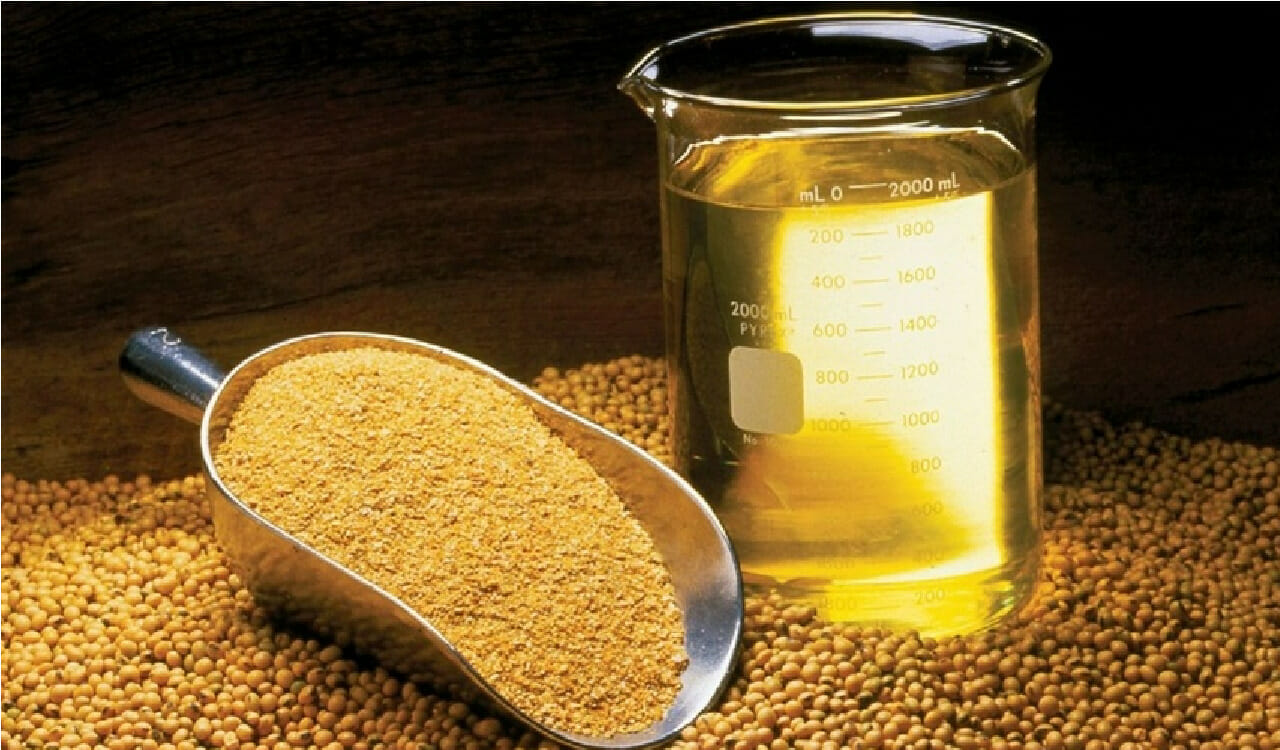

The New Biofuel Is Made from Soybean Processing and Is Nothing More Than Hydrated Soybean Ethanol
Caramuru Alimentos, a renowned Brazilian company in soybean, corn, sunflower, and canola processing, is marking a revolution in the sector by announcing the commercialization of hydrated soybean ethanol, produced at its industrial complex located in Sorriso, Mato Grosso, according to the website Petronotícias.
This pioneering initiative arises in response to a global trend: according to the International Energy Agency (IEA), the demand for biofuels is expected to grow by about 22% over the next four years, totaling 35 million liters annually between 2022 and 2027. The company’s president, Júlio Costa, expressed enthusiasm for the new venture, highlighting that this reflects Caramuru’s ongoing commitment to seeking innovative solutions in the sector, expanding its operations and consolidating its position in agribusiness.
Soybean Ethanol: A Breakthrough in the Biofuel Industry
The production of ethanol from soybeans is a pioneering achievement in the global biofuel industry, which traditionally uses raw materials like sugarcane, corn, or beet. The process to create this revolutionary ethanol involves soybean molasses, which is a byproduct resulting from the processing of Soy Protein Concentrate (SPC).
-
In Colombia’s desert, 30 families receive 80 m² homes with solar panels, waterless toilets, and rainwater collection systems amid water and energy shortages.

-
H2A to Invest $570 Million in 22 Biomethane Plants in Brazil, Converting Agricultural Waste into 700 Tons of Renewable Fuel Daily
-
Engie Secures 10-Year Use of 625 MWh in Batteries to Store Excess Solar and Wind Energy in Spain by 2028
-
Giant Batteries Take Center Stage in Chile Auction as Company Offers 960 GWh of Solar Energy for Nighttime Use, Aiming to Stabilize Solar Power Supply




This innovative process leverages the full potential of the raw material, with high energy efficiency, following principles of circular economy to minimize environmental impacts. The industrial unit in Sorriso, with an annual capacity of 9.5 million liters of hydrated ethanol, will contribute 72% of this total to the Brazilian domestic market and 28% will be used internally as input.
In addition to economic advances, the Sorriso region will also reap social benefits from the expansion of Caramuru’s industrial complex. This growth will result in the creation of 60 new direct jobs and 200 indirect jobs, boosting local income generation. This initiative is a clear demonstration of Caramuru’s commitment to aligning its expansion with sustainable practices, minimizing environmental impacts and generating jobs and economic growth in the region.
Sustainability and Innovation: The Pillars of Soybean Ethanol Production
The production of soybean ethanol by Caramuru Alimentos not only stands out as a technological advance but also aligns with contemporary demands for sustainability and innovation. By harnessing the potential of soybeans as a raw material for ethanol, the company reduces dependence on other fuel sources, lowering CO2 emissions and increasing the supply of non-fossil fuels.
Moreover, the transformation of molasses into ethanol adds value to the product, reducing costs and increasing revenues. Previously, companies utilizing soybeans needed to purchase ethanol on the market to produce Soy Protein Concentrate (SPC). Now, with in-house ethanol production, this process becomes more efficient and cost-effective.
In addition to ethanol production, Caramuru Alimentos is already known for producing Hi-Pro Soymeal, Oil, Lecithin, and Soy Protein Concentrate (SPC). These investments reflect the company’s confidence in the state of Mato Grosso, which is receiving strategic investments and contributing to economic and technological development. This pioneering and innovative project was funded by FINEP (Funding Authority for Studies and Projects), linked to the Ministry of Science, Technology, and Innovation.
The Sorriso plant is one of the first in Brazil and in the world to produce soybean ethanol on a commercial scale. In addition to being a biofuel, hydrated soybean ethanol is also used as a raw material in various industries, such as perfumes, cleaning materials, solvents, and paints, further expanding its applications and value in the market.