Portuguese
  Spanish




A New Study Published In Chaos Magazine Revealed An Intriguing Discovery: Solar Energy May Have An Important Role In The Occurrence Of Earthquakes On Earth. Scientists From Tsukuba University And The National Institute Of Advanced Industrial Science And Technology Of Japan Analyzed How Temperature Variations Influence The Stability Of Rocks And The Flow Of Groundwater, Potentially Impacting Seismic Activity.
The Heat Emitted By The Sun Directly Affects The Earth’s Surface Temperature, Influencing Natural Processes That Occur Below The Ground. Scientists Identified That These Variations Can Modify The Pressure On Tectonic Faults, Making Some Regions More Prone To Earthquakes.
This Effect Occurs Because The Heating And Cooling Of Rocks Over Time Can Cause Small Cracks, Weakening The Earth’s Crust.
How Temperature Variations Influence Geological Faults
Another Essential Factor Discovered By Researchers Is That Temperature Changes Also Alter The Flow Of Groundwater. This Process Can Influence The Lubrication Of Geological Faults, Which In Some Cases Facilitates Slippage Between Tectonic Plates.
-
Texas Teens Win $50,000 at World’s Largest Science Fair for Developing Non-Surgical Brain-Controlled Bionic Prosthesis with 98% Accuracy

-
Samsung Galaxy A27 Launches with 6.7-inch Super AMOLED Display, Full HD+ Resolution, Android 16, Six Years of Updates, Snapdragon 6 Gen 3, and Dust and Splash Resistance; Available for Pre-order in the US for $350

-
Five Brazilian Students Invent Drug Test Pen That Detects Date Rape Drugs in Seconds
-
Viedma Glacier Retreat in Patagonia Uncovers 900-Meter-Deep Basin, Making Viedma the Deepest Lake in the Americas


This Means That Solar Radiation May Indirectly Influence The Behavior Of Seismic Faults, Increasing The Probability Of Earthquakes Under Certain Conditions.
What Do Scientists Say About This Discovery Regarding The Sun Affecting Earthquakes On Earth?
The New Study Builds On Previous Research Published In 2022 In Chaos, Which Already Pointed To A Correlation Between The Number Of Sunspots And The Frequency Of Earthquakes.
Sunspots Indicate The Sun’s Activity And Its Impact On The Radiation That Reaches Earth. Researchers Noted That During Periods Of Increased Solar Activity, Earthquakes Appeared To Occur More Frequently.
The Research Was Led By Matheus Henrique Junqueira Saldanha, A Brazilian Scientist From The Graduate Program In Systems Engineering At Tsukuba University.
Saldanha And His Team Expanded The Investigation, Including The Earth’s Surface Temperature In The Calculations, Making The Models More Accurate. According To Him, The Study Shows That The Sun’s Heat Can Make Rocks More Brittle And Directly Influence The Pressure On Geological Faults.
How The Study Was Conducted?
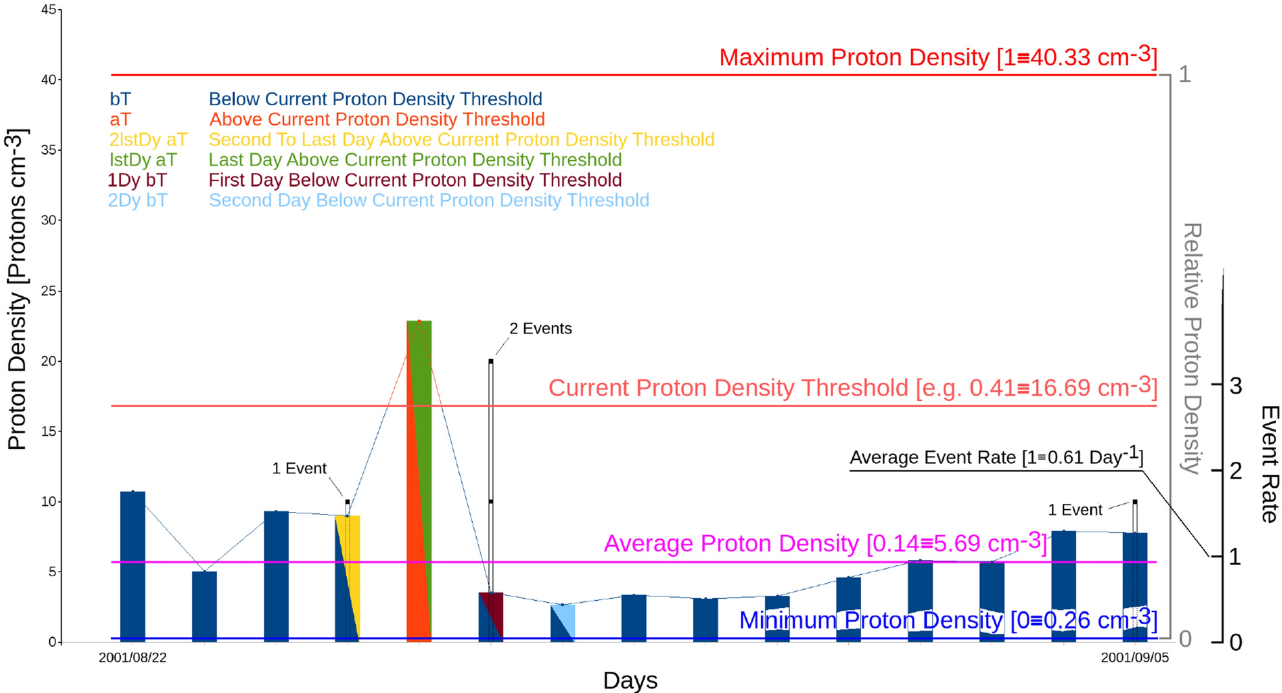
To Test The Hypothesis That The Sun’s Energy May Affect Earthquakes, Researchers Used Advanced Mathematical Models And Computational Simulations.
These Models Analyzed The Behavior Of Geological Faults Under Different Conditions Of Temperature And Solar Activity. The Goal Was To Understand If There Really Is A Link Between Thermal Variations And The Frequency Of Tremors.
The Scientists Combined Seismic Data, Records Of Solar Activity, And Surface Temperature Variations Of The Earth.
By Including This Information In The Calculations, They Noticed That The Accuracy Of Seismic Predictions Improved. This Reinforces The Idea That Earth Heating Can Have A Real Impact On Seismic Activity.
The Influence Of Earth Heating On Earthquakes
The Study Showed That Increasing Temperature Can Weaken The Structure Of Rocks, Making Them More Susceptible To Ruptures. Thermal Variation Can Also Alter The Flow Of Groundwater, Which Plays A Crucial Role In The Behavior Of Tectonic Faults.
These Changes May Be Sufficient To Influence The Occurrence Of Tremors In Some Regions.
The Researchers Believe That This Discovery Could Help Make Earthquake Predictions More Accurate. By Including Factors Such As The Earth’s Surface Temperature In The Calculations, It Is Possible To Have A More Detailed Model Of The Behavior Of Geological Faults.
This Could Be Especially Useful For Predicting Shallow Earthquakes, Which Are More Heavily Influenced By External Factors.