Portuguese
  Spanish


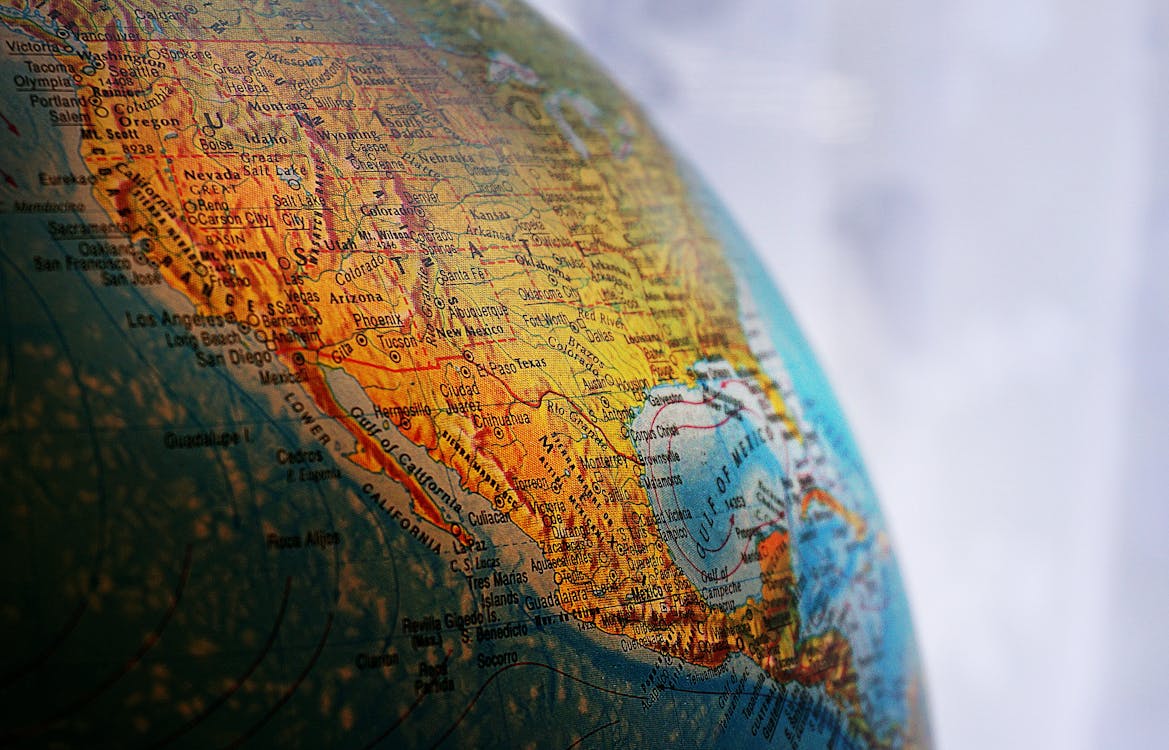

A New Study Suggests That The Global Population May Be Underestimated, Especially In Rural Areas. Differences In The Data Could Impact Public Policies And Global Planning
The United Nations estimates that the current global population is 8.2 billion people, with a projected peak of 10.3 billion in the 2080s. However, these projections have always been approximate, as it is impossible to count each individual person.
Some regions have more sophisticated censuses, while others struggle to accurately record their inhabitants. It is estimated that about 850 million people worldwide do not have identification documents.
Now, a new study suggests that the global population may be underestimated, especially in rural areas. The research, conducted by Aalto University in Finland, raises questions about the accuracy of official counts.
-
Telescope Set to Discover 100,000 New Planets Arrives at Launch Site, Ushering in a New Era of Astronomy

-
Humanoid Robots Transition from Demonstrations to Real Work in Factories
-
Anti-poaching patrol in Thailand accidentally discovers hidden cave with 2,000-year-old petroglyphs, geometric engravings, and mysterious three-finger patterns on sandstone walls.

-
Russia Deploys Largest Nuclear Icebreaker in Arctic Capable of Breaking Through Three-Meter-Thick Ice



Study Points To An Underestimation Of The Global Population In Rural Areas
The study was not conducted to revise global population estimates. Initially, the researchers were analyzing the impact of dams on displaced populations. They studied 307 dam projects in 35 countries, such as China, Brazil, Australia, and Poland, built between 1980 and 2010.
When calculating how many people had been resettled, the researchers estimated the population of the regions before the dams were built. These numbers were compared to five major population databases, which use grids to calculate the number of inhabitants per region.
The result was a significant difference: on average, these databases underestimated the global rural population by 53%. In some cases, the margin of error reached 84%.
Researcher Josias Láng-Ritter from Aalto University stated to New Scientist that the team was surprised: “We Were Very Surprised To See How Large This Underrepresentation Is“.
Challenges In Mapping Remote Areas
The undercount may occur because population datasets are more accurate in urban areas. In cities, there is higher population density and more accessible information. Meanwhile, in remote regions, censuses face logistical challenges and do not always manage to register all inhabitants.
Another factor is the use of satellite imagery for population estimates. In urban centers, buildings and nighttime lighting facilitate mapping. However, rural villages may be obscured by vegetation or dispersed across small structures, making them nearly invisible to these tools.
Impacts Of The Underestimation Of The Global Population
The accuracy of population data is essential for government planning, resource allocation, and disaster response. Incorrect data can lead to serious consequences.
A disaster risk map that underestimates rural populations may result in a lack of adequate emergency services. Health planning may fail to distribute resources, leaving communities unattended.
Currently, nearly half of the global population lives in rural areas. Ensuring the accuracy of censuses is crucial to effectively serve these populations. The UN aims, through the Sustainable Development Goals, to ensure that all communities are included in global action plans.
Issue Still Under Debate
Despite the findings, the Finnish researchers do not claim that the global population is significantly larger than the official data indicates. They acknowledge that extrapolating their conclusions to the entire world is risky.
A large portion of the information used in the study comes from China and other Asian regions, where undercounting may be more common. In contrast, countries with stricter registration systems, such as Finland and Australia, may have more accurate data.
If there were such a significant undercount, some researchers argue that the impact should be visible in other metrics. Data on energy consumption, food production, and technology usage could show larger discrepancies if there were a much larger population than estimated.
The discussion about the accuracy of population estimates continues. The Aalto University study brings a warning about the need to improve counting methods, especially in rural areas. Enhancing data collection may be essential to ensure that no population is overlooked in future planning.
With information from ZME Science.