Portuguese
  Spanish




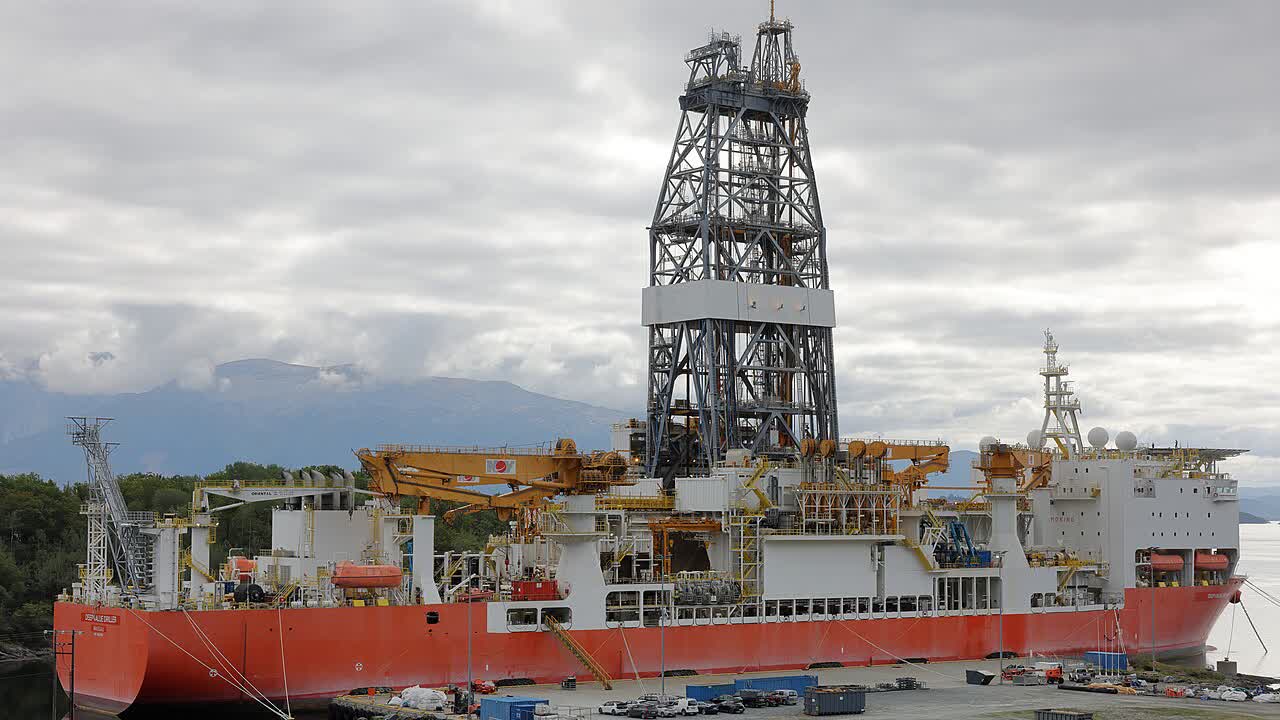
A U.S. Journalist Claims That the Boom in Brazil’s Offshore Oil Market, Especially in the Pre-Salt Offshore Oil Fields in Deep Waters, Continues to Grow Despite Lower Oil Prices and the Severe Impact of the COVID-19 Pandemic, and This Could Be a Danger.
The strong demand from Asian refineries, especially those in the offshore Chinese market, for lighter, sweeter crude oils has driven up demand for Brazilian oil since late 2019, says a U.S. journalist. The COVID-19 pandemic, a second round of lockdowns among Europe’s largest economies, a rapidly slowing global economy, and a poor global economic outlook have done little to contain China’s insatiable thirst for crude oil.
Read Also
Oil Imports Rose 11%
Data presented by Reuters journalists show that China’s crude oil imports in the first 10 months of 2020 increased by nearly 11% year-on-year, to an average of 11 million barrels per day. Brazil has emerged as a key supplier of crude oil to the world’s second-largest economy. This can be attributed to the introduction of the IMO 2020 in January, which significantly reduces the sulfur content of marine fuels and is one of the main drivers of the growing Asian demand for Brazil’s sweet crude oil.
The global push to reduce emissions means that demand for lighter, sweeter, and low-sulfur oils, which are cheaper and easier to refine, will continue to grow.
-
Qantas and Airbus Invest in Company Aiming to Convert Unsorted Household Trash into Jet Fuel

-
Brazil’s ANP Opens 86 New Oil Blocks in the Equatorial Margin, Expanding the Amazon River Mouth Frontier

-
OPEC+ Boosts Oil Supply by 188,000 Barrels per Day in July 2026, Leading to Price Drop from $112 to $89 per Barrel in Under Two Months

-
TotalEnergies Signs 20-Year Deal to Purchase 2 Million Tons of LNG from Alaska, Boosting Project Viability



Brazil is the Largest Supplier in China’s Offshore Market
The largest economy in Latin America is now the third-largest supplier of oil to China, up from fifth place in 2019. There are concerns that the latest news from Petrobras, Brazil’s national oil company, could jeopardize the offshore oil boom in Brazil. The integrated energy giant recently announced its Strategic Plan 2021-2025, signaling a sharp 27% cut in spending compared to a year ago, to US$ 55 billion. This, according to Petrobras, is due to the impact of the COVID-19 pandemic on demand for crude oil and derivative products, leading to a sharp decline in oil prices.
Although this has caused some concern about how it will affect the growing offshore oil boom in Brazil, the consequences are expected to be minimal. Petrobras stated that it intends to spend US$ 46 billion, or nearly 84% of the planned CAPEX budget, on exploration and production focusing on its pre-salt oil assets. It is the vast pre-salt oil fields in Brazil’s deep waters that produce the medium-grade sweet crudes that have become so popular in China and are gaining greater market share in other parts of Asia.