Portuguese
  Spanish


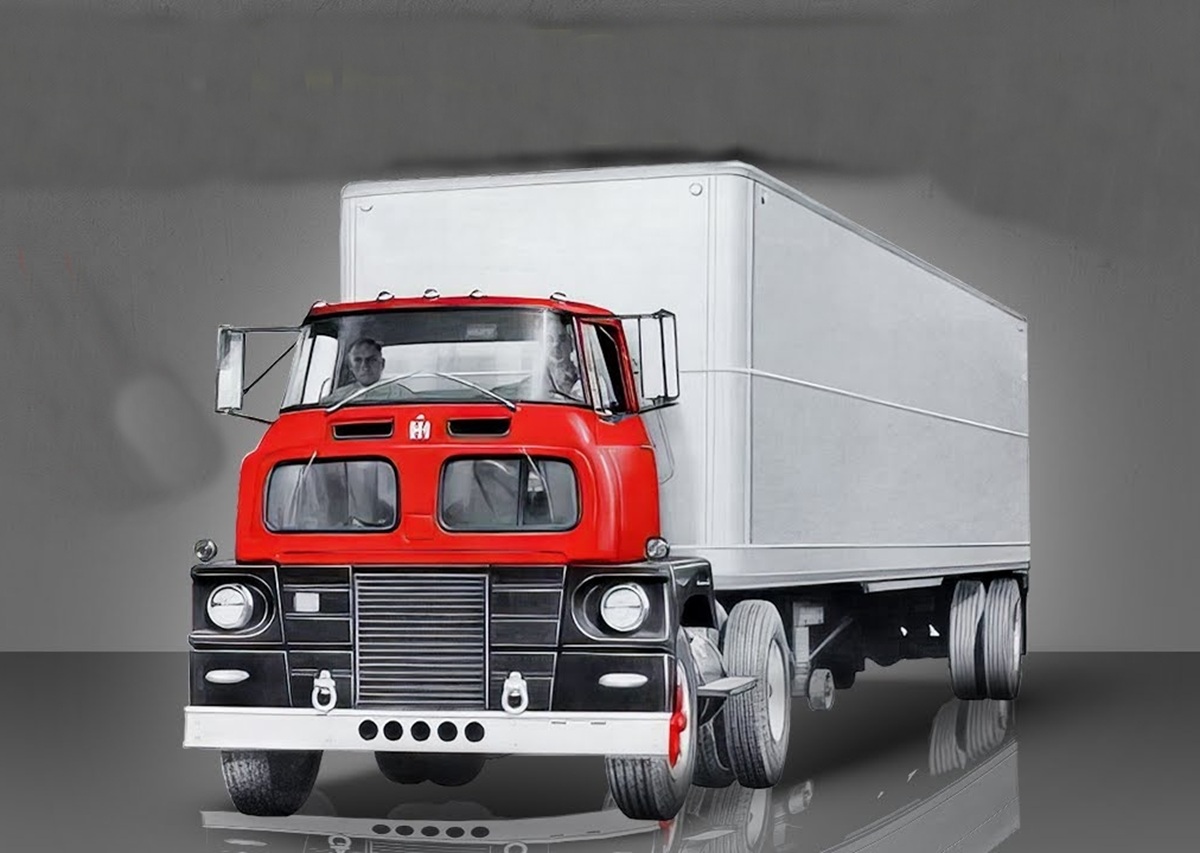

The International Sightliner Truck Emerged in 1956 with Futuristic Design, but Had Short Production and Became a Rare Collectible.
In the 1950s, the automotive industry was experiencing a moment of optimism, innovation, and bold design. In this scenario, International Harvester launched a truck that seemed to come from the future: the International Sightliner, produced between 1956 and 1957.
Despite its revolutionary appearance, it had a short lifespan — but it still captures the attention of collectors and transportation history enthusiasts.
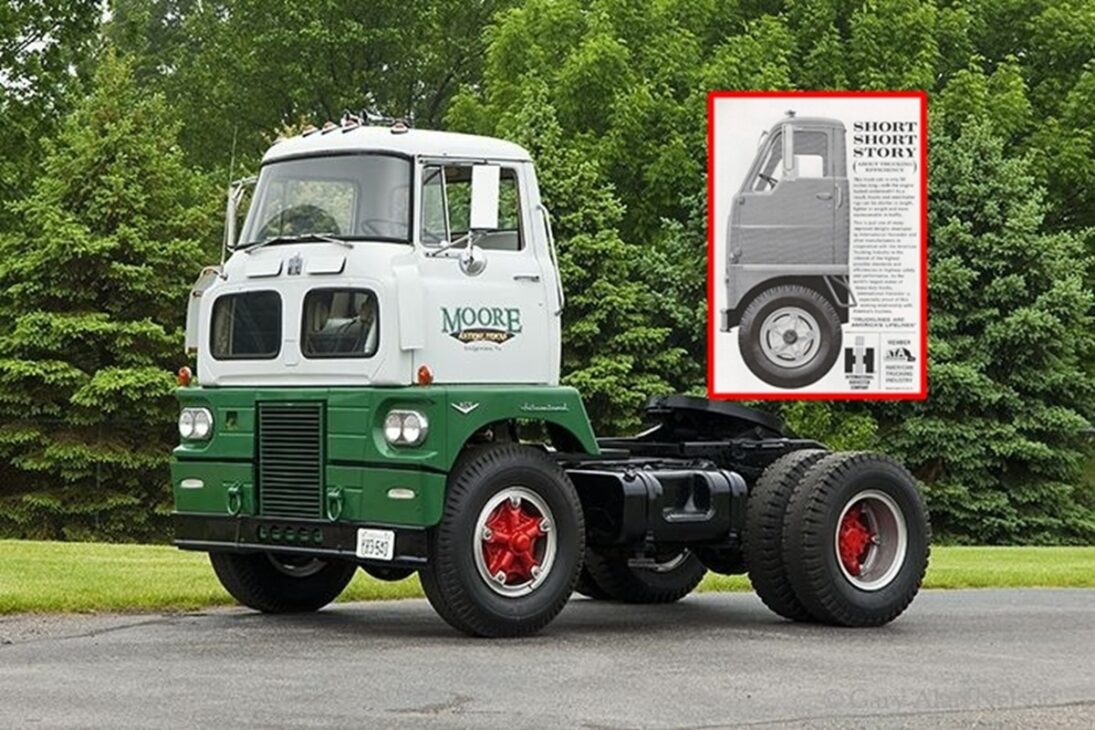
Bold Design and Panoramic Windshield
The main difference of the Sightliner was its design. It featured a forward cab with a curved and slanted windshield, providing the driver with wide visibility.
-
Nissan Versa Offers Surprising Space and Comfort for Under $10,000, Impressing with Japanese Engineering

-
Changan Hunter K50 REEV: New Hybrid Pickup with 1,031 km Range and 4×4 Drive Set to Launch in 2026

-
Brazilian Company Unveils 3.3-Meter Foldable Micro Capsule: Inflates in Under Two Minutes, Fits Small Spaces, and Includes Bed, Table, and Outdoor Shower

-
1.5 Engine Dominates Chinese Cars for Decades with Billion-Dollar Strategy Focused on Tax, Advanced Technology, Over 40% Efficiency, and Aggressive Global Expansion


The roof also had transparent windows, something unusual for the time.
This solution helped in urban situations, making it easier to see traffic lights and elevated signs, which were very useful for long truck drivers.
The style drew so much attention that the Sightliner was often compared to a space shuttle, even decades before the popularization of the space race.
It was a truck that seemed to come out of a futuristic cartoon, with rounded lines and a short hood. Its name — “Sightliner” — directly referenced the expanded line of sight offered to the driver.
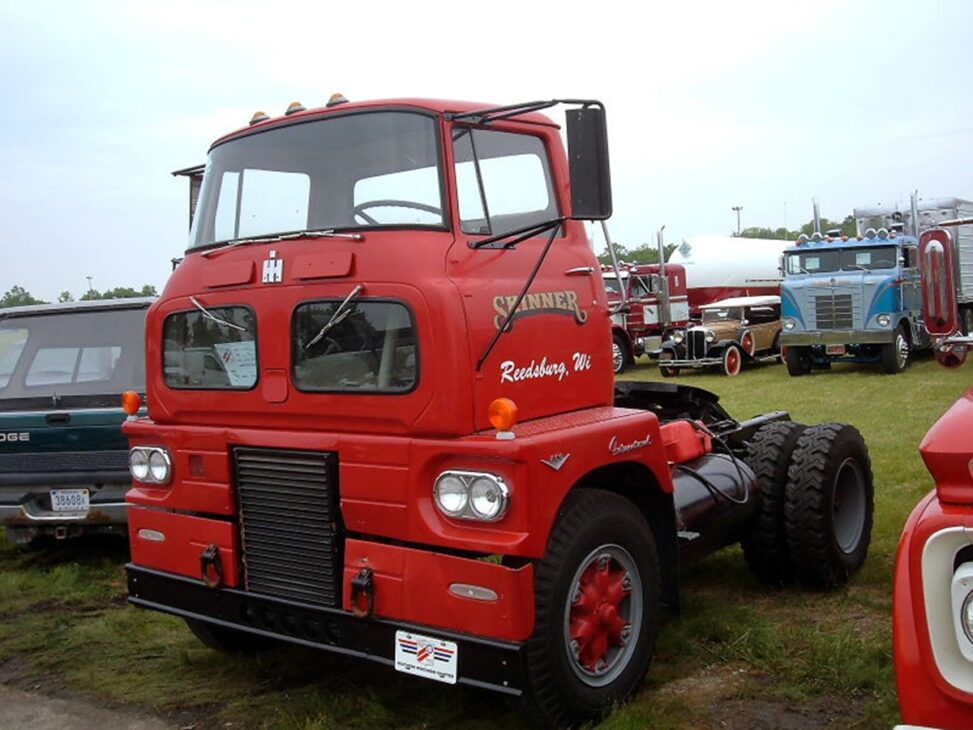
Mechanics Based on the R Line
Despite its modern look, the Sightliner was not so different internally. It was built on the mechanical platform of the International R-Series, already established in the USAA for its robustness.
The engine was typically a six-cylinder inline, powered by gasoline, although some units were fitted with diesel engines, depending on the desired configuration.
The cab was accessible and offered some comfort but still reflected the ruggedness of trucks of the time. There was no air conditioning or major refinements, but the interior space was good and the dashboard functional.
Why Did It Last So Little?
Despite the visual impact, the Sightliner was not a commercial success. Production lasted only two years. International Harvester faced strong competition from brands like Mack, GMC, and Ford.
In addition, the design of the Sightliner was considered too bold for the conservative tastes of many fleet operators at the time.
Another downside was the high production cost. The extra windows and the curvature of the windshield increased manufacturing and maintenance costs.
In rural areas or heavy-duty services, the upper windows could be seen as a weak point, exposed to dirt, heat, and breakage risks.
Today, the Sightliner is extremely rare. It is estimated that fewer than a thousand units were produced.
The surviving examples are in private collections or transportation museums. Some have been restored over the years and appear at vintage vehicle gatherings.
Interestingly, the concept of wide visibility and forward cab regained strength years later with “cab-over” trucks and upper windows in urban buses. The Sightliner, even forgotten for decades, was a precursor of ideas that would only later be valued.