Portuguese
  Spanish


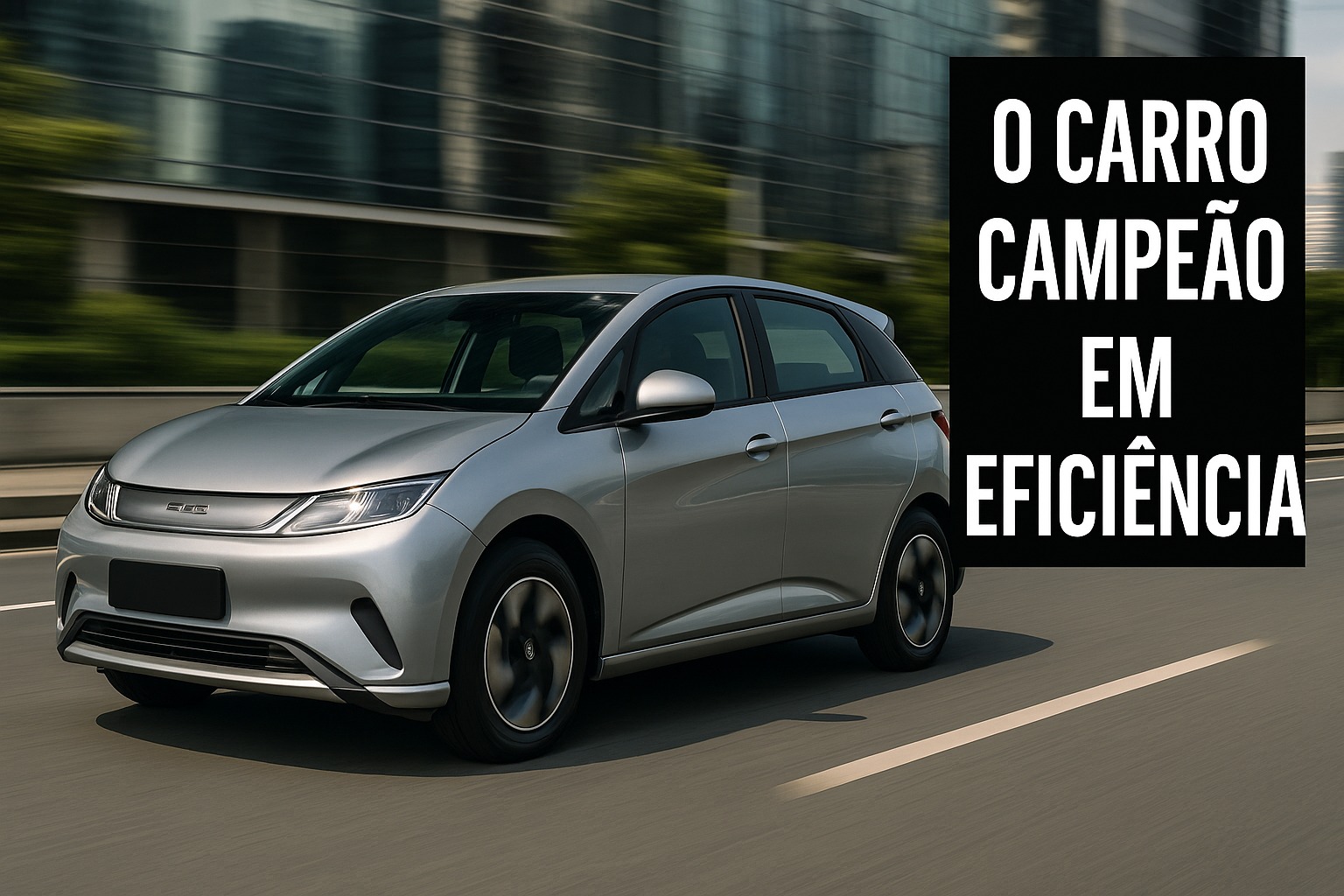


Models of Different Categories Stand Out for Efficiency, Low Cost per Km and Affordable Maintenance, Attracting Urban Drivers and Families Seeking Savings Without Giving Up Comfort
The day-to-day traffic in Brazil weighs increasingly on the budget. Between fuel, maintenance and depreciation, every kilometer driven makes a difference. In 2025, electric and hybrid cars stand out for offering reduced cost, high autonomy, and lower environmental impact. The new generation of compacts and sedans shows that it is possible to combine savings and practicality, both for app drivers and for those looking for an efficient urban vehicle.
BYD Dolphin EV: The Economy Champion Car
The BYD Dolphin EV stands out as the most economical car in Brazil in 2025, with an average cost of R$ 0.38 per kilometer driven.
This efficiency comes from the energy consumption of R$ 0.80 per kWh in home recharges, which ensures a range of up to 405 km per full charge.
-
Cost Analysis: Maintaining a Fiat Cronos 1.3 Drive 2026 – Parts, Taxes, Insurance, Fuel, and Maintenance

-
New Spanish Engine with Just 500cc Promises Power of 2,000cc, Is 70% Lighter, Crankshaft-Free, Seeks $14 Million to Exit Testing by 2026

-
Nissan Versa Offers Surprising Space and Comfort for Under $10,000, Impressing with Japanese Engineering

-
Changan Hunter K50 REEV: New Hybrid Pickup with 1,031 km Range and 4×4 Drive Set to Launch in 2026


The 95 hp electric motor delivers smooth and silent performance, ideal for intense urban use.
As there are no emissions and maintenance costs are low, the model becomes one of the best options for those driving more than 50 km per day, especially app drivers.
In addition, the Dolphin EV offers a competitive price and exemption from IPI, which reduces its starting value by up to 10%. Thus, it combines technology, economy, and sustainability in an accessible package.
Renault Kwid Zen 1.0: Simplicity That Compensates
The Renault Kwid Zen 1.0 closely follows with a cost of R$ 0.43 per kilometer. Its consumption reaches 15.3 km/l on the highway with gasoline, a result that keeps it among the most economical vehicles in the entry-level category.
With a flex engine of 70 hp and annual inspections costing less than R$ 500, the Kwid attracts those seeking low maintenance costs.
The starting price of R$ 78,410 reinforces its position among the most affordable options for first-time car buyers.
In addition to the economy, the Kwid has compact dimensions that favor urban use, making it practical to park and maneuver. Therefore, the model is a balanced choice between cost and convenience.
Toyota Yaris 1.5 CVT: Durability and Urban Comfort
The Toyota Yaris 1.5 CVT stands out for its combination of comfort and economy. With a cost of R$ 0.55 per km and an average consumption of 13.5 km/l in the city, it offers good performance and low depreciation, of only 5% per year.
The CVT automatic transmission ensures smooth shifting, ideal for the heavy traffic of large cities. The 45-liter tank allows for more than 600 km without the need for frequent refueling.
In 2025, the Yaris received a multimedia update with a 9-inch screen and wireless connectivity. These features increase convenience in day-to-day life and reinforce resale value.
In addition, the extensive Toyota dealership network facilitates inspections and ensures reliable service across the country.
Chevrolet Onix Plus 1.0: Efficiency and Space in a Sedan
The Chevrolet Onix Plus 1.0 MT LT2 maintains the title of most economical combustion car according to Inmetro, with a cost of R$ 0.50 per km.
The 1.0 flex engine with 82 hp achieves 13.5 km/l in the city and 15 km/l in combined use, providing satisfactory performance on climbs and highways.
The big differentiator is the trunk with 469 liters, which allows for transporting luggage and deliveries without compromising consumption.
The model comes with six airbags and stability controls as standard, ensuring safety without additional costs.
Annual inspections cost less than R$ 400, and national production helps reduce IPVA in states like São Paulo. With a price of R$ 99,990, the Onix Plus consolidates itself as an economical, complete, and accessible sedan.
Toyota Corolla Hybrid: A Reference in Hybrid Efficiency
Among hybrids, the Toyota Corolla Hybrid is an absolute highlight. Its urban consumption of 17.5 km/l and a cost equivalent to R$ 0.45 per km confirm the efficiency of the system that combines a 1.8 combustion engine and electric propulsion.
With a total power of 122 hp, the Corolla automatically alternates between the two engines, reducing energy consumption to 1.26 MJ/km.
In urban routes, pure electric mode eliminates emissions and guarantees total silence. Therefore, the model can be up to 30% more economical than conventional flex versions.
In addition to low consumption, the sedan maintains a high resale value and predictable maintenance, reinforcing the Japanese brand’s reputation for durability.
Caoa Chery Tiggo 7 Sport: A Light and Accessible Hybrid Car
The Caoa Chery Tiggo 7 Sport emerges as an alternative for those looking for an SUV with good efficiency. The light hybrid model has a cost of R$ 0.60 per km and consumes 12.5 km/l on highways.
The depreciation of only 2% per year ensures good long-term appreciation.
The modular seats expand the interior space without sacrificing performance. This versatility makes the Tiggo 7 a balanced option for families seeking sustainability and comfort in one vehicle.
Cost and Consumption Comparison in 2025
| Model | Cost per Km (R$) | Average Consumption (km/l – Gasoline) |
|---|---|---|
| BYD Dolphin EV | 0.38 | Equiv. 50 (electric) |
| Renault Kwid Zen 1.0 | 0.43 | 14.1 |
| Chevrolet Onix Plus 1.0 | 0.50 | 15.0 |
| Toyota Yaris 1.5 CVT | 0.55 | 13.5 |
| Toyota Corolla Hybrid | 0.45 | 17.5 |
Why Invest in Economical Cars Now?
Tax incentives and new Inmetro guidelines make 2025 the ideal time to invest in efficient vehicles.
Electric cars like the BYD Dolphin EV benefit from IPI exemption and lower recharge costs, while Japanese hybrids preserve up to 95% of their resale value after one year of use.
Those who drive about 15,000 km per year can save up to R$ 1,000 per month combining fuel and maintenance.
The manufacturers Toyota and Chevrolet also offer prepaid inspection packages, providing cost predictability.
With the expansion of electrical infrastructure and updates to Inmetro efficiency apps, consumers have more tools to compare models and decide based on the actual cost per kilometer.
Therefore, choosing an economical car is not just a matter of style – it is a smart financial decision that reduces expenses and contributes to a more sustainable traffic.
With information from Monitor do Mercado.