Portuguese
  Spanish




Maringá Leads The Ranking Of The Most Expensive Agricultural Lands In Paraná, With Hectare Valued, On Average, At R$ 185.4 Thousand. Value Is Expected To Strongly Impact The Regional Real Estate Market.
The land market in Paraná is experiencing a moment of intense appreciation. Data from the State Secretary of Agriculture and Supply (SEAB) reveals that Maringá currently has the most expensive agricultural hectare in the state.
The average value reaches R$ 185.4 thousand in A-I category areas, recognized for their high quality for intensive agricultural production.
This scenario reinforces the strategic role of the city in the Paraná agribusiness and attracts the attention of producers, investors, and construction companies.
-
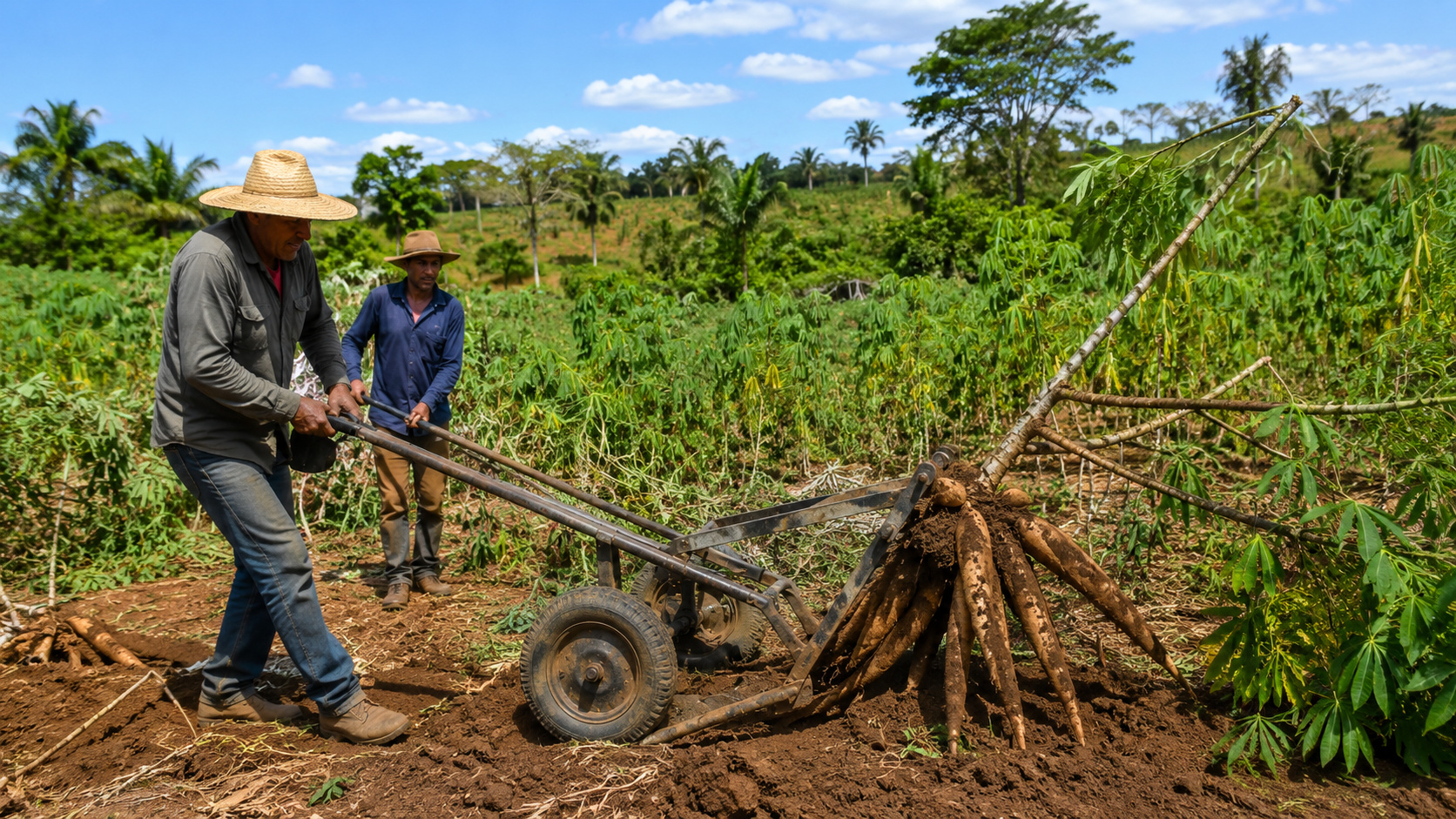
Brazilian Farmers Develop Wheeled Metal Lever to Ease Cassava Harvesting Without Heavy Machinery

-
Study of Brazil’s Tietê River Finds 25 Pesticides in Water, Including Cancer-Linked Substance Near Source
-
Young Entrepreneur Expands from 50 to 1,400 Chickens, Proving “Happy Hens” Can Be a Viable Business
-
Small Farm in Brazil’s Minas Gerais Produces 403 Liters of Milk Daily, Sets Benchmark for Rural Producers


Ranking Of The Most Expensive Lands In Paraná
Maringá leads the state ranking, but it is not alone among the highlights. Other cities in northern and western Paraná also have high values per hectare:
- 2nd Place: Foz do Iguaçu – R$ 184.2 thousand
- 3rd Place: Sarandi, Paiçandu, Floresta, and Ivatuba – R$ 181.8 thousand
- 4th Place: Serranópolis do Iguaçu – R$ 171.2 thousand
- 5th Place: Doutor Camargo, Ourizona, and São Jorge do Ivaí – R$ 165.6 thousand
These cities share a common characteristic: a large part of the assessed areas belongs to category A-I, meaning flat, fertile, and well-drained land.
Agricultural engineer Ednaldo Michellon explains: “The A-I classification indicates a minimal chance of problems for production. These are high suitability lands, which justifies the high price.”
What Makes The Hectare In Maringá So Expensive?
The accelerated appreciation in Maringá has an explanation. According to experts, urban growth, the demand of agribusiness, and the scarcity of available areas drive up prices.
According to Marco Tadeu Barbosa, regional vice president for northwest Secovi-PR: “We have few urban voids, which makes these few spaces appreciate more. It is the law of supply and demand.”
The city has well-defined territorial limits and few free spaces, which generates direct competition between agricultural and real estate use.
The reflection of this is felt in the price of new plots and rural land near the urban area.
Maringá Appreciates Above Average
Even with values already high in 2024, Maringá recorded an appreciation of 5.52% in just one year. Foz do Iguaçu, second place in the ranking, presented an increase of 5.14% in the same period.
This behavior follows a national trend. According to a sector consulting firm, the average value of agricultural hectare in Brazil jumped from R$ 14,818.10 in 2019 to R$ 31,609.87 in 2024, representing a 113% increase over five years.
And The Most Affordable Lands In Paraná?
Although the focus is on the most valued lands, SEAB’s survey also identified areas with significantly lower prices. This occurs especially in regions classified as category C-VIII, aimed at forest servitude and with very limited agricultural use.
In these lands, the value per hectare drops dramatically due to environmental restrictions and low productivity. Nonetheless, prices remain high compared to less economically dynamic regions.
Maringá As A Barometer Of The Land Market
The appreciation of agricultural hectare in Maringá does not represent just an isolated statistic. It serves as a trend indicator for Paraná and other regions with strong agricultural production.
The scarcity of urban lands, coupled with the growing demand for food, makes the soil increasingly valuable.
The market remains alert. Investors, rural producers, and urban planners are already moving to understand the impacts of this appreciation on the future of the local and state economy.