Portuguese
  Spanish


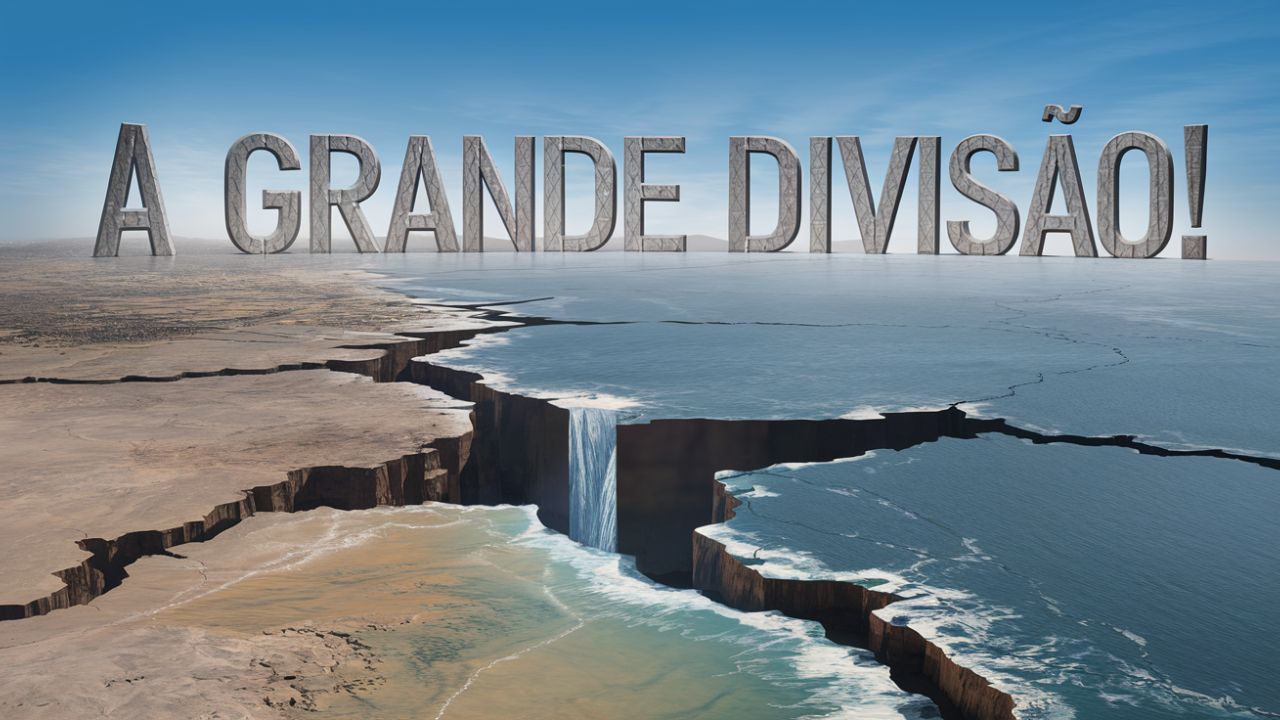


Scientists Reveal That The African Continent Is Splitting At An Accelerated Rate, Forming The New Ocean In Africa In Less Than 1 Million Years. This Tectonic Transformation Promises To Change The World Map, Creating New Coasts And Impacting Economies And Ecosystems In An Unprecedented Way.
The Earth never stops transforming, and Africa is at the epicenter of a breathtaking geological change. Did you know that a new ocean is starting to form on the African continent? Indeed, the East African Rift System, a vast network of tectonic fissures, is paving the way for a transformation that could completely change the world map.
Scientists are intrigued: this process, which once seemed a distant dream of millions of years, could happen in a million years — or even less. Sounds like a lot? In geological terms, that is practically “tomorrow.”
The East African Rift System And Its Amazing Fissures

The East African Rift System is like a huge crack in the Earth’s crust, stretching from Mozambique to the Red Sea. Think of a sidewalk that is slowly breaking apart, but on a continental scale. This network of faults is where the continent is literally splitting in two, creating space for a new ocean in the future.
-
Petrobras Secures $2.2 Billion Contract to Build and Operate Four Support Vessels for Brazil’s Offshore Oil Fields

-
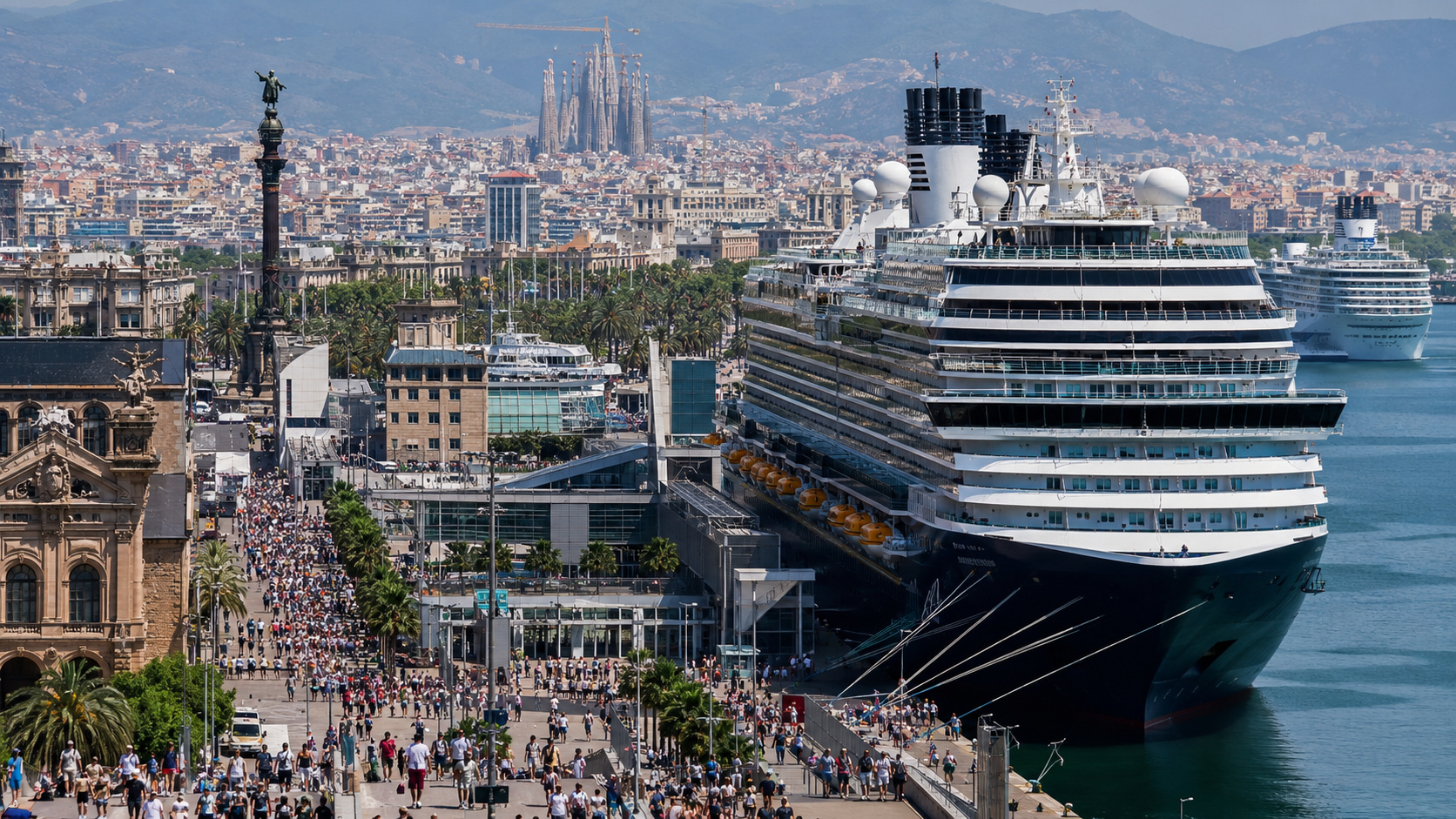
While many ports want to grow, Barcelona has decided to do the opposite and will cut cruise terminals from 7 to 5 after pressure from residents, protests, and crowds.

-
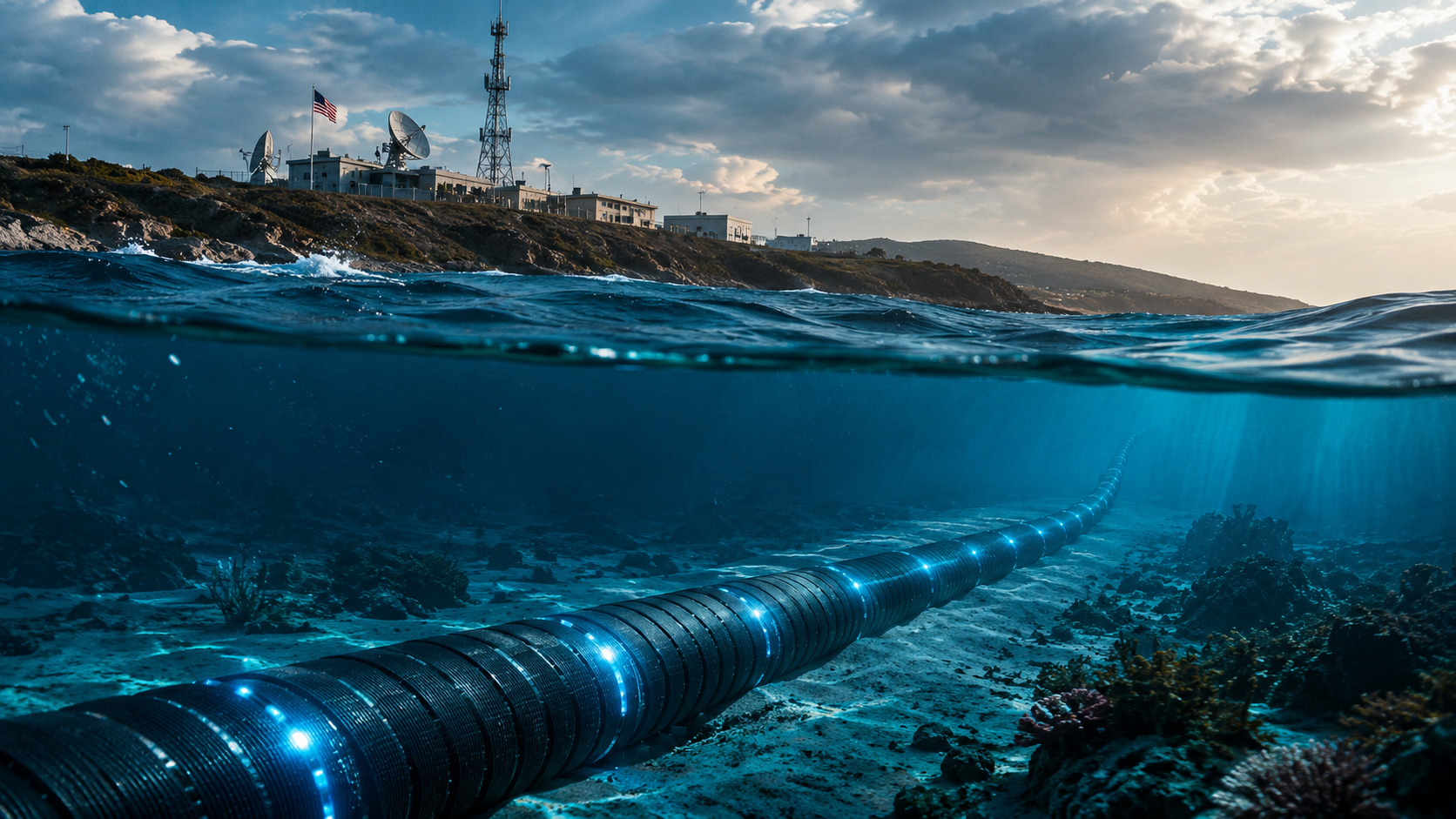
The United States wants to tighten control over submarine cables that carry 99% of international internet, silently cross oceans, total more than 400 routes worldwide, and have become a strategic piece in the competition for data, technology, and suppliers.
-
European Union looks again at Brazilian seafood after a nearly 8-year ban and may unlock a coveted market for lobster, tuna, tilapia, and shrimp.

Previously, geologists believed that this division would take tens of millions of years. However, recent studies have shown that the movement of the African and Somali tectonic plates, at a speed of about 0.8 centimeters per year, is accelerating. In 2005, for example, in the Afar region of Ethiopia, a series of 420 earthquakes in just a few days opened a giant fissure, demonstrating how quickly these events can occur.
The Formation Of The New Ocean In Africa
This is the only place in the world where continental crust is transforming into oceanic crust in real time. It’s like watching the birth of the Atlantic Ocean, but with a front-row ticket. The fissure in the Ethiopian desert, which already extends for 60 kilometers, is just the beginning of this epic transition.
Tectonic events in East Africa are so intense that they sometimes compress centuries of changes into days. This dynamism makes the region a unique natural laboratory for scientists to understand how continents split and how oceans are born.
Geographical And Economic Transformations
Imagine a future where landlocked countries like Uganda and Zambia have ocean beaches. This could revolutionize their economies, creating new trade routes and tourism opportunities. The geography of Africa will be redrawn, and the continent could gain new strategic advantages in the global landscape.
With a new ocean comes a list of challenges. Coastal infrastructures will need to be built, and countries will have to adapt their policies to deal with the changes. Entire ecosystems will be affected, requiring careful attention to protect local biodiversity.
The Role Of Science In Understanding This Phenomenon
Scientists are focused on models to predict how this transformation will unfold. From analyzing earthquakes to monitoring plate movement, research in the region not only advances geology but also provides insights into similar phenomena happening elsewhere in the world.
This phenomenon is not just an African curiosity; it is an opportunity to better understand the dynamics of the planet. It is a powerful reminder that the Earth is alive, in constant motion, shaping its future.
The new ocean in Africa is a landmark in the history of our planet. This transformation shows us how dynamic the Earth is and how tectonic forces shape not only continents but also the course of humanity. It is a natural spectacle that challenges our understanding of time and change.