






 Portuguese
  Spanish
  4 min of reading
  0 comments


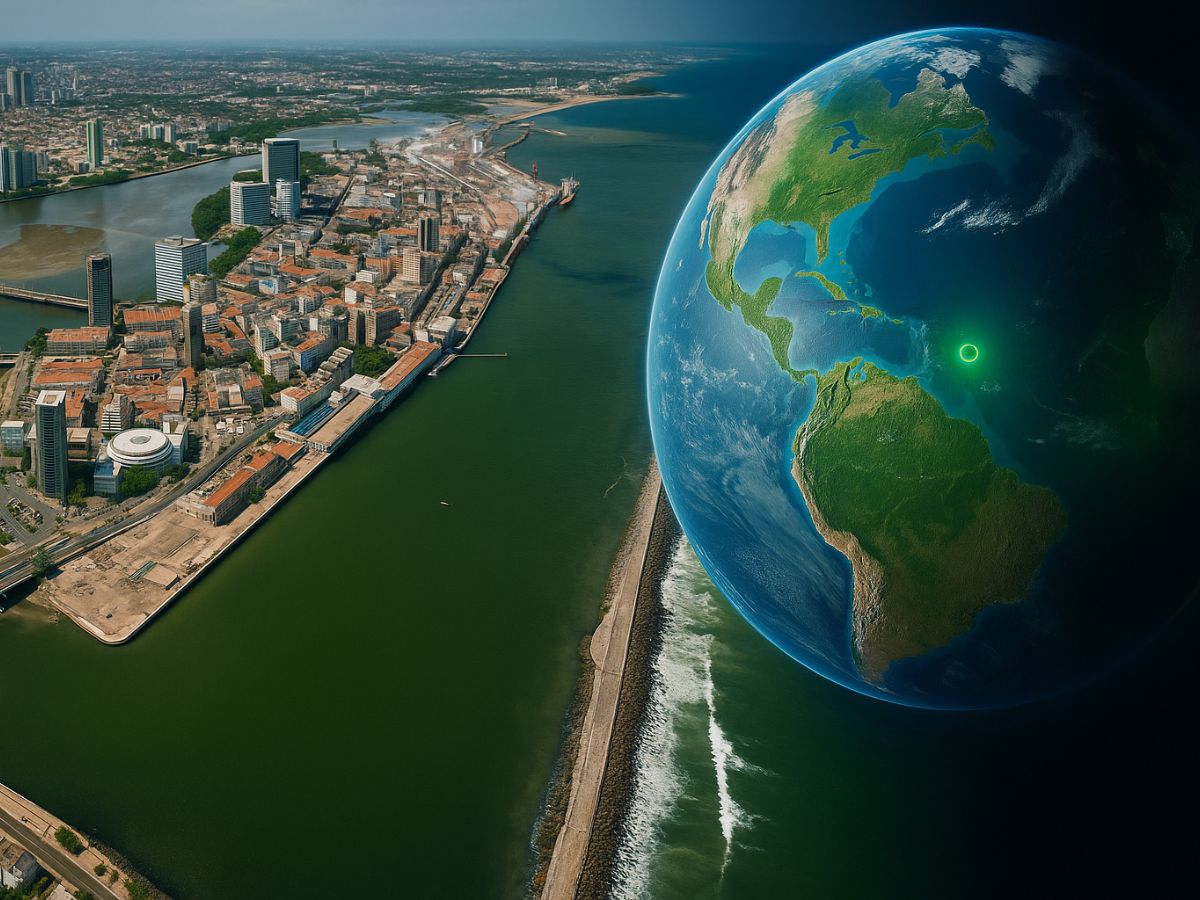
Which City Leads the Race to Be the Largest Innovation Hub in Brazil? We Analyze the Strengths and Challenges of Each of the Main Candidates to Become Brazil’s Silicon Valley
The quest for the title of the new Brazilian Silicon Valley mobilizes cities, governments, and companies across the country. This designation is not just a matter of prestige, but a development strategy that attracts investments, generates skilled jobs, and positions Brazil on the global technological stage. Three cities stand out in this competition: Florianópolis (SC), Recife (PE), and Campinas (SP).
Understand in depth the credentials of each. Based on recent data about investments, companies, jobs, and public policies, we explore who is leading the race to be the epicenter of innovation in Latin America.
The Silicon Island and Its Calling for Startups
Florianópolis, the capital of Santa Catarina, has solidified its reputation as the Brazilian Silicon Valley. In 2023, it was recognized as the “National Capital of Startups”, a title that reflects its dynamic ecosystem, driven by incubators like CELTA and MIDI Tecnológico, and parks like Sapiens Parque.
-
An 18-story human anthill was hidden 85 meters below Turkey: the underground city housed up to 20,000 people, had tunnels, rooms, passages, and ton-heavy stone doors, and was only rediscovered when a man broke a wall inside his own house.

-
Mother of 5 children started selling homemade pamonha door-to-door and today earns about R$ 250,000 per month with a factory that produces 1,500 units per day and sells to several Brazilian states.

-
The shortcut that Greece dreamed of for 2,000 years cuts through a strip of rock in the Mediterranean, connects two seas, and still impresses ships that pass squeezed between the stone walls.
-
Traffic sign with two cars together, white background and four diagonal lines: see what it means



The city’s technology sector is robust, with over 4,000 companies generating an annual revenue of US$ 1.3 billion and employing more than 28,000 people.
Growth is supported by policies such as the “Fiscal Incentive Program for Innovation”. However, the city faces challenges.
The cost of living is considered “super high”, and issues with traffic and public transportation hinder talent retention, which is often “imported” from other states.
Recife, The Successful Model of Porto Digital

Recife presents a unique model with the Porto Digital, an urban technology park located in the historical center of the city. Founded in 2000, the project revitalized the region and has become one of Brazil’s main innovation environments, recognized three times as the best technology park in the country by Anprotec.
Porto Digital is a successful example of the “Triple Helix” model, a coordinated action between government, academia, and companies. In 2024, the ecosystem included 475 companies and 21,551 employees, with revenue of R$ 6.2 billion.
The hub is supported by incentives such as reducing the ISS from 5% to 2%. However, the challenge is the urban quality of life in the city as a whole, which has been criticized and may affect talent attraction in the long term.
Campinas, The Consolidated Research and Development (R&D) Hub
Campinas, in the interior of São Paulo, is often called the Latin American version of Brazil’s Silicon Valley.
Its technology hub is the oldest and most established among the three, with roots in the establishment of the State University of Campinas (UNICAMP) in 1967. The city is home to five research institutes and 34 high-tech industries.
The strength of Campinas lies in its academic base. The “spin-off companies” of UNICAMP total 1,038 businesses, generating 33,300 direct jobs and an annual revenue of R$ 8 billion.
The city is the third largest R&D hub in Brazil. To attract investments, it offers a robust package of tax incentives, including IPTU exemptions and reduced ISSQN.
The main challenge is the high cost of living, making it the fourth most expensive city to live in Brazil, in addition to urban mobility issues.
Which City Has the Best Cards to Be the Silicon Valley of Brazil?
The competition is fierce, and each city has its strengths. In terms of revenue and jobs generated by technology-based companies linked to its main university, Campinas is ahead.
Florianópolis stands out as a breeding ground for startups and in attracting venture capital. Recife, with Porto Digital, shows a consistent growth and a successful model in urban innovation.
The critical factor for long-term leadership will be the ability to attract and, primarily, retain skilled talent.
All three cities face challenges related to the cost of living and the quality of urban infrastructure. The city that manages to offer the best balance between career opportunities and quality of life will have the advantage.
More Than a Winner, A Network of Technological Hubs for Brazil


The search for a single Brazilian Silicon Valley may oversimplify the reality. What is observed is the formation of a network of specialized and interconnected technological hubs. Florianópolis is the capital of startups, Recife consolidates itself as a district of urban innovation and technology, and Campinas establishes itself as a powerhouse in research, development, and high technology.
The future of technological leadership in Brazil will likely not belong to a single city, but rather to the capacity of these hubs to collaborate and strengthen each other.
The common challenge for all will be to address the issues of cost and quality of life to ensure that talent, the driving force behind all innovation, not only wants to work but also live and thrive in their territories.





-

1 person reacted to this.