





 Portuguese
  English
  Spanish
  2 min of reading
  0 comments


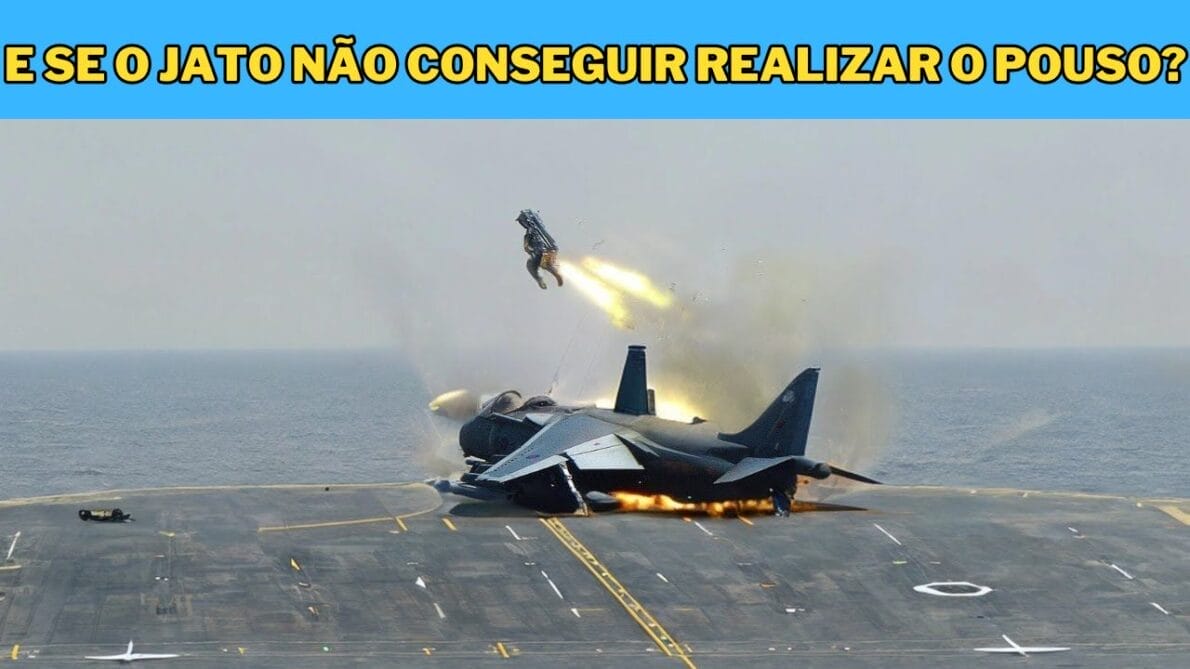
Discover The Challenges And Solutions When A Fighter Jet Cannot Land On An Aircraft Carrier, One Of The Most Complex Maneuvers In Naval Aviation.
The U.S. Navy aircraft carriers are true floating cities, with over 6,000 crew members and nearly 100 jets on board. Every 20 seconds, a jet takes off or lands on this moving runway in the middle of the sea, using a technique called tailhook landing. But what happens if something goes wrong and the fighter cannot land?
The tailhook landing is essential for landing on aircraft carriers. The fighter lowers a robust metal hook at the back, which needs to grab one of the arrestor wires stretched across the runway. These wires are connected to a hydraulic system that stops the jet quickly. If the hook fails to catch the wire, the fighter may experience a bolter, meaning it must take off again immediately.
A Bolter Occurs When The Fighter Cannot Catch The Arrestor Wire And Needs To Take Off Again
At this moment, the pilot accelerates to the maximum and climbs to try the landing again on the aircraft carrier. It is a moment of pure adrenaline and requires a lot of skill from the pilot. When a bolter occurs, the crew on deck must act quickly.
-
The John Deere forestry truck carries 19 tons of wood per trip, uses traction power to overcome mud, slopes, and narrow trails, and becomes the hidden link between the felled tree and the pulp industry.

-
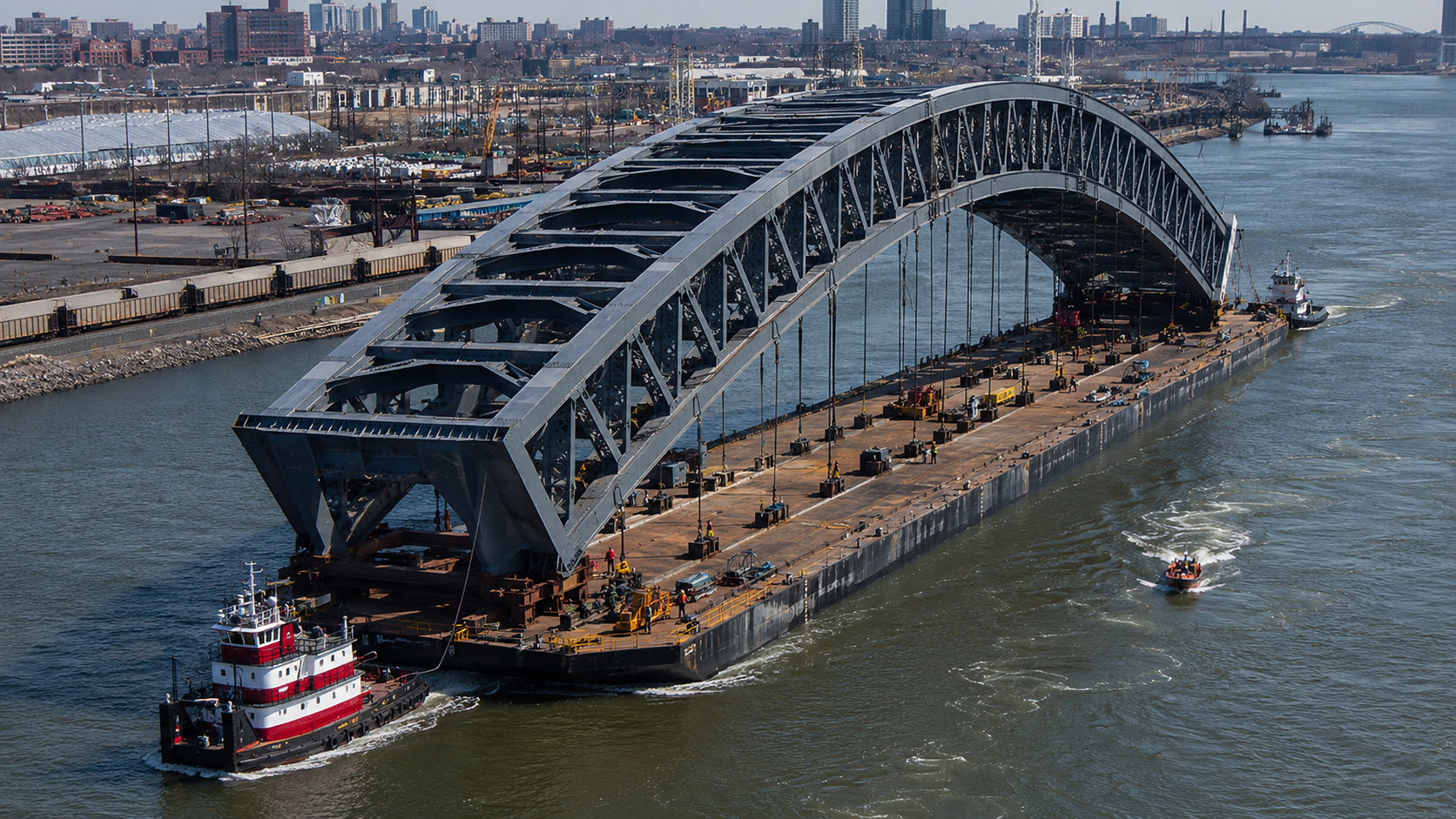
While old bridges still span railways around the world, in the United States a 2,300-ton structure was assembled off-site and transported by barge along the Hudson River to replace a century-old bridge.
-
Egypt builds a $5.5 billion monorail over Cairo with beams weighing 80 to 100 tons lifted by mobile cranes, while streets need to be blocked to erect nearly 100 km of suspended train.
-
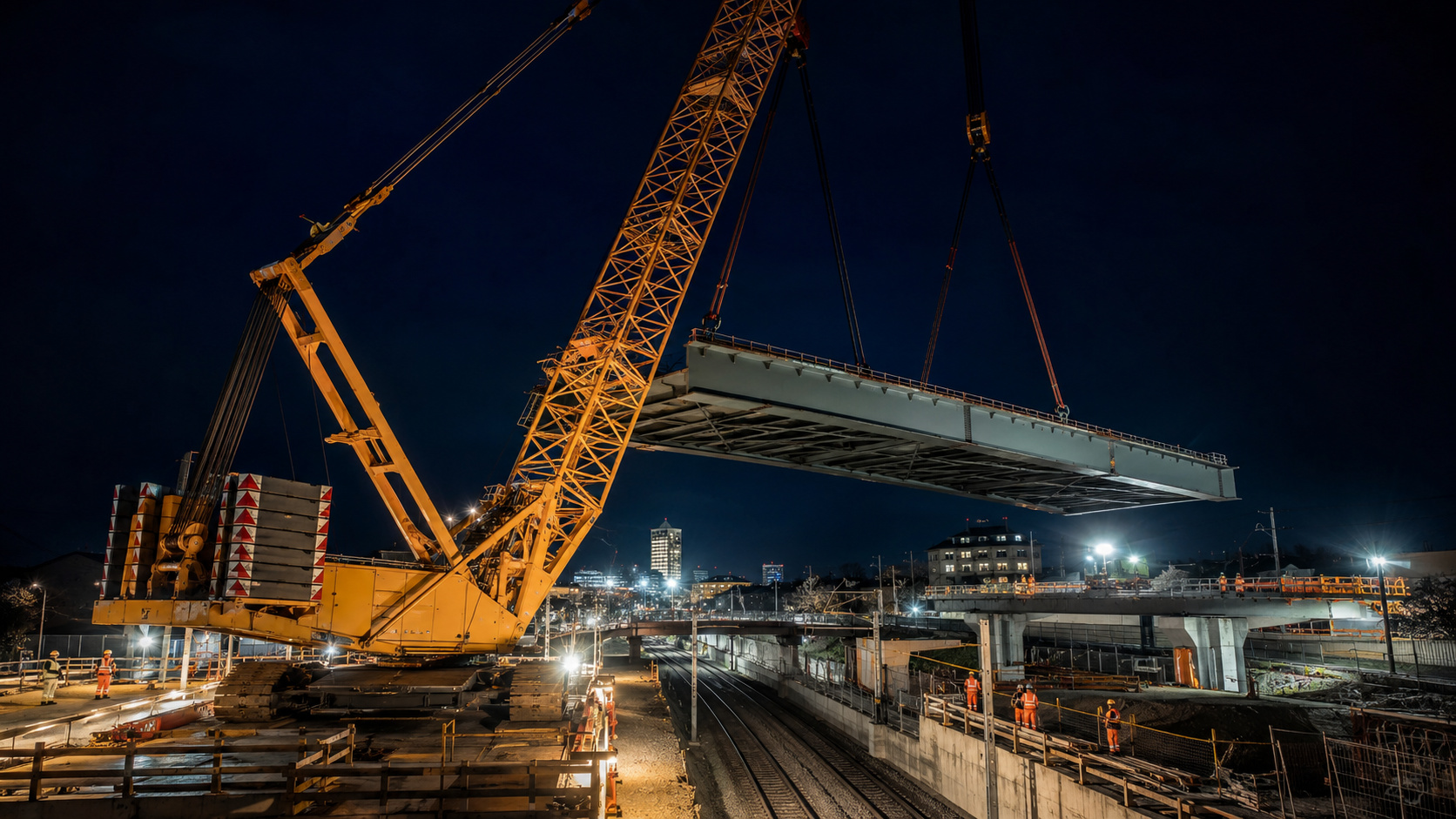
While the city slept in Switzerland, a 255-ton bridge was lifted in the dark by a 1,000-ton crane in a nighttime operation with millimeter precision.


If the arrestor wire breaks, it needs to be replaced immediately. The crew is trained to perform this task with precision and speed. Additionally, if the fighter falls into the sea, a rescue helicopter is dispatched to retrieve the pilot, who can eject from the plane in case of emergency.
The Navy Conducts Daily Drills To Prepare The Crew For These Situations
The pilots and deck crew practice emergency maneuvers, such as dealing with landing failures, fires, and evacuations. They use specific hand signals to communicate, essential in a loud and chaotic environment like the flight deck.
Landing a fighter on an aircraft carrier is one of the most challenging operations in naval aviation. When something goes wrong, the skill and training of the crew are crucial to ensuring the safety of everyone on board and the integrity of the valuable aircraft. These rigorous measures demonstrate the level of precision and dedication required to operate these gigantic floating cities.





Be the first to react!