






 Portuguese
  Spanish


The Akademik Lomonosov Is the World’s First Floating Nuclear Reactor, Weighing 5,000 Tons and Measuring 144 Meters Long. Learn How This Floating Plant Provides Energy in the Arctic and Why It Is So Controversial.
The Akademik Lomonosov is the world’s first operational mobile nuclear reactor. Designed by Russia, this floating nuclear plant serves as a strategic solution to provide electric and thermal energy to remote Arctic regions, isolated ports, and military bases. In addition to being innovative, the project is also surrounded by controversies and environmental challenges. Weighing 5,000 tons in the main hull and featuring impressive dimensions — 144 meters long (equivalent to three basketball courts lined up), 30 meters wide, and the height of a 10-story building — the Akademik Lomonosov has become a landmark in the history of naval and nuclear engineering.
What’s Inside the 5,000-Ton Mobile Nuclear Reactor
At the heart of the Akademik Lomonosov are two KLT-40S Reactors, adaptations of those used in Russian nuclear icebreakers. Each unit is capable of generating electrical and thermal energy simultaneously, supplying both homes and industries in areas where no other energy source would be viable.
Main Technical Data:
- Electrical Capacity: 70 MW (megawatts)
- Thermal Capacity: 50 Gcal/h, used for urban heating
- Operational Crew: about 70 professionals
- Designed Lifespan: 40 years, with the possibility of extension to 50 years
- Estimated Cost: between US$ 300 million and US$ 500 million, depending on the construction stage and upgrades
The reactor is designed to withstand extreme conditions, including frozen seas, negative temperatures, and even potential tsunamis and earthquakes, due to its reinforced naval structure.
-
Giant Stone Spheres on New Zealand Beach Reveal Crystal Interiors Formed Over 4 Million Years

-
10 Lesser-Known Countries with Surprising Attractions That Even Seasoned Travelers Find Intriguing

-
Forklift Operator Salaries at Brazilian Retail Giants in 2026: Over R$2,200 in São Paulo, Market Ceiling Exceeds R$3,000, with Attractive Benefits Package
-
Daughter Receives Monthly Support from Father in Brazil, Learns It May Be Taxable Income if Not Declared as a Gift


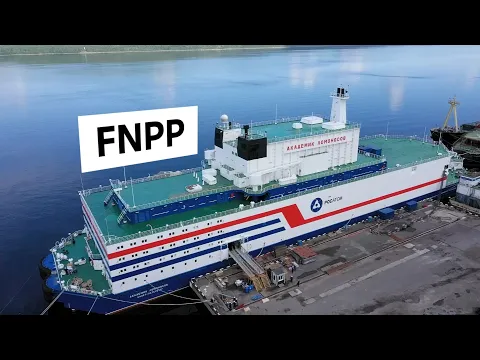

Why a Mobile Nuclear Reactor? The Strategic Role in the Arctic
The creation of a mobile nuclear reactor like the Akademik Lomonosov is directly linked to Russian geopolitics and economics. The plant was designed to serve coastal regions and bases in the Arctic where the construction of fixed plants would be financially or technically unfeasible.
In addition to ensuring a continuous energy supply, the reactor strengthens Russia’s presence in the Northern Sea Route, a strategic passage for trade and the exploration of natural resources. This route becomes increasingly relevant as Arctic ice melting progresses, extending the navigability period in the region.
The Controversy of the “Floating Chernobyl”
Although the Akademik Lomonosov is an engineering feat, the project has not escaped criticism. Western environmental groups have dubbed the reactor the “Floating Chernobyl,” fearing the risks of a nuclear accident at sea that could have catastrophic consequences.
Concerns include:
- The difficulty of containing radioactive leaks in the event of an accident at sea
- Environmental impact on a sensitive ecosystem like the Arctic
- Potential target in geopolitical conflict scenarios
Russia, on the other hand, defends the project as safe, highlighting that the reactor has redundant cooling systems, modernized containment technology, and strict operational protocols.
Safety and Technology: How the Mobile Nuclear Reactor Was Designed to Withstand
According to Russian designers, the 5,000-ton mobile nuclear reactor was developed with higher safety standards than those of land-based nuclear reactors. Among the features implemented are:
- Multiple Independent Cooling Systems
- Reinforced Hull Against Impacts and Weather
- Automated Control with Remote Monitoring
- Protection Against Tsunamis and Earthquakes, Due to Mobility and Naval Design
Additionally, its location in remote areas minimizes risks to large populations in the event of an incident.
The Operation in Pevek and Future Plans
The Akademik Lomonosov is anchored in Pevek, a port city in Eastern Siberia, where it replaced old coal and diesel plants. The floating plant supplies electrical and thermal energy to about 100,000 people, in addition to supporting local industrial and port facilities.
With initial success, Russia is already studying second-generation projects for floating nuclear reactors, more compact and efficient, that could supply future bases in the Arctic and even seabed mining operations.
The Akademik Lomonosov has set precedents and sparked international debates about the future of energy generation in remote areas. Some countries view the project as an innovation that could inspire solutions to global energy challenges. Others, particularly environmentalists and international entities, see the model as an unnecessary risk in fragile ecosystems.
Whether as an energy solution or a controversy, the mobile nuclear reactor represents a milestone in the history of nuclear energy and Arctic geopolitics.


