






 Portuguese
  Spanish


Satellites detected oil in the Persian Gulf after airstrikes, with slicks near sensitive islands, ports, and routes
The **Persian Gulf** has become the scene of an environmental alert after oil slicks were seen from space at different points in the region.
The images show oil near the Iranian island of Lavan, Qeshm Island, the Strait of Hormuz, and the coast of Kuwait. The threat affects protected areas, marine animals, fishermen, and systems that convert seawater into drinking water.
The risk grows because the conflict involves oil installations and oil-laden ships in one of the most sensitive passages for the global energy market.
-
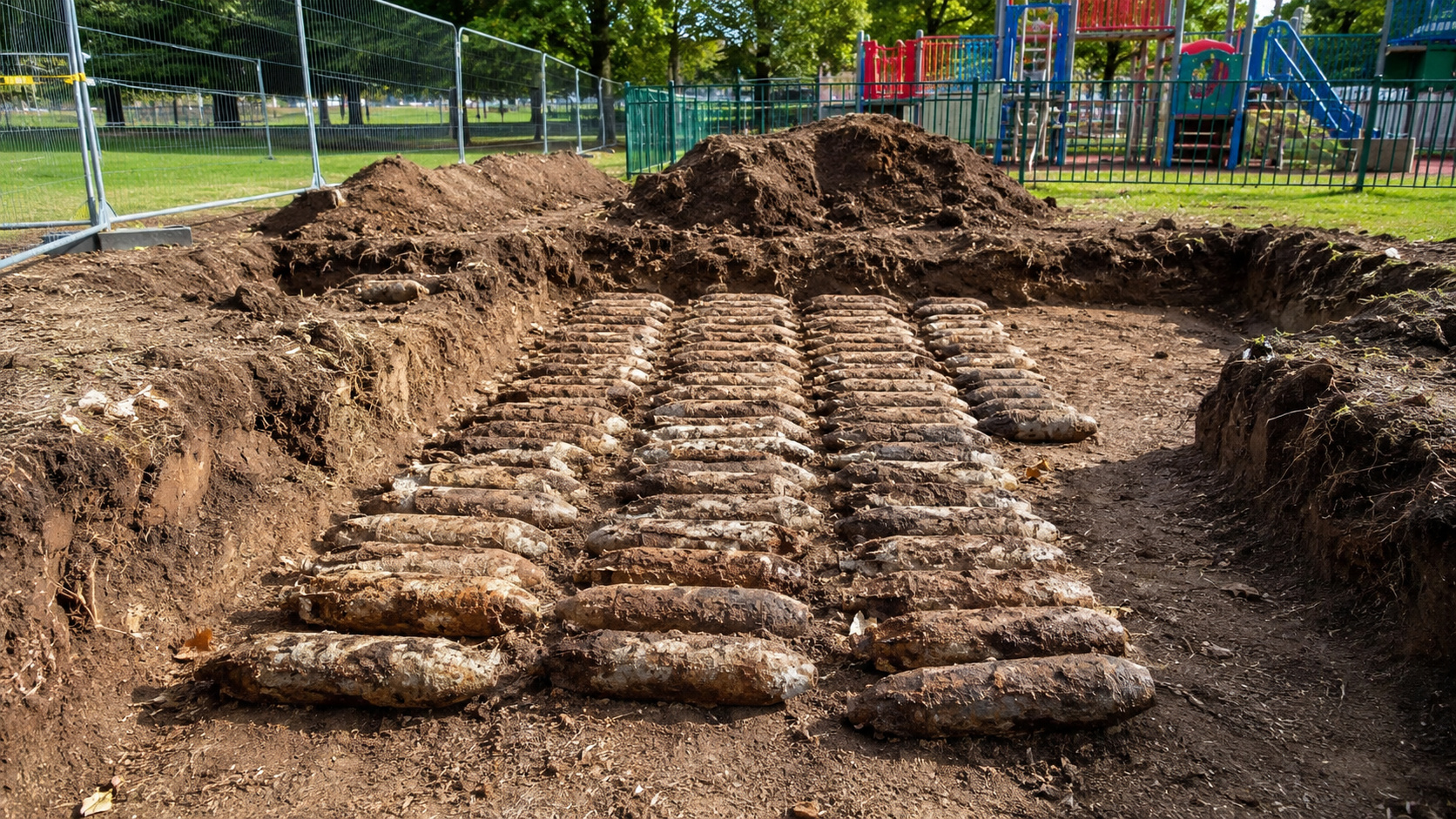
Workers renovating a playground in northern England uncover 176 World War II bombs buried underground; training artifacts still contained explosives.

-
Brazilian Architect Transforms Waste into Sustainable Homes with Solar Power and Rainwater Systems for 40 Years

-
Security Guard Becomes Doctor at Louisiana Hospital Where He Once Worked, Studied Chemistry Between Shifts

-
Woman Rescued from Luxury Complex in Brazil Worked Without Pay for 55 Years, May Be Entitled to Over $300,000



Slick advanced on April 10 towards the protected island of Shidvar

An image from **April 10** showed oil leaking into the waters near the Iranian island of Lavan.
The slick was heading towards Shidvar Island, a wildlife refuge known as the **Maldives of Iran**. The area is uninhabited, has coral formations, and is home to seabirds and turtle nesting sites.
Leak appeared on April 6 near the Kuwaiti port of Shuaiba
Another record, made on **April 6**, showed an oil slick emanating from the port of Shuaiba, in Kuwait.
The port is located about **50 kilometers** south of Kuwait City. The slick appeared after the announcement of attacks against energy and petrochemical facilities in Gulf countries.
According to Live Science, a science popularization and news portal, the oil threatens marine life in the Persian Gulf and could affect desalination systems used to supply nearly 100 million people.
The spills could affect **marine life in the Persian Gulf** and harm filtration systems used by desalination plants.
These plants remove salt from seawater to produce drinking water. They supply nearly **100 million people** in the region, turning the disaster into an environmental and human risk.
Spills were seen in the Strait of Hormuz on March 18, April 2, and April 7
In the Strait of Hormuz, satellites recorded large oil slicks near the Iranian island of Qeshm on **March 18**, **April 2**, and **April 7**.
One of the slicks was more than **8 kilometers** long. The oil threatens the entire marine food chain, from smaller organisms to fish, dolphins, and whales.

Oil compromises feathers, fur, and can cause mass death
Oil sticks to animals and destroys natural protections. In birds, it removes the feathers’ ability to repel water. In mammals, it reduces the thermal insulation of their fur.
The result can be extreme cold, poisoning, and death. The Persian Gulf is home to **dugongs**, **green sea turtles**, **hawksbill sea turtles**, and Arabian Sea humpback whales.
Stranded oil tankers carry about 20 billion liters of crude oil
Dozens of oil tankers remain stranded in the Persian Gulf, awaiting passage through the Strait of Hormuz.
Together, they carry about 20 billion liters of crude oil. Any new attack on ships could spread even more oil and increase pressure on the region.
Oil spill cleanup may not happen in time to prevent the most severe damage. The conflict hinders rapid action and leaves islands, coastlines, and fishing areas more vulnerable.
The oil’s advance combines environmental crisis, threat to drinking water, and energy tension on a vital route for the world. The disaster puts pressure on the Persian Gulf.


