Portuguese
  Spanish


OPEC+ Announces Increase of 548,000 Barrels Per Day in Oil Production in August. Measure Anticipates Timeline Set for 2026 and Aims to Stabilize the Global Market.
Last Saturday, the 5th, OPEC+ — the alliance that brings together the Organization of the Petroleum Exporting Countries and its partners — confirmed a new increase in oil production. The decision, made during the group’s meeting, provides for the addition of 548,000 barrels per day (bpd) starting in August.
The measure involves eight member countries and represents a significant anticipation of the timeline that initially projected this volume only for May 2026.
The change in production policy occurs in a context of market recovery and low stocks, according to an official statement.
-
Oil production grows in Rio, but reserve replacement raises a warning sign

-
Petrobras is expected to complete the drilling of the Morpho well in the Foz do Amazonas in August 2026, the first well in the Equatorial Margin, an oil frontier that the ANP estimates at more than 30 billion barrels and could redraw the map of Brazil.

-
Oil returns to the center of concerns with tension between the US and Iran

-
IEA reduces forecast for global oil demand in 2026 after impacts of the Middle East crisis
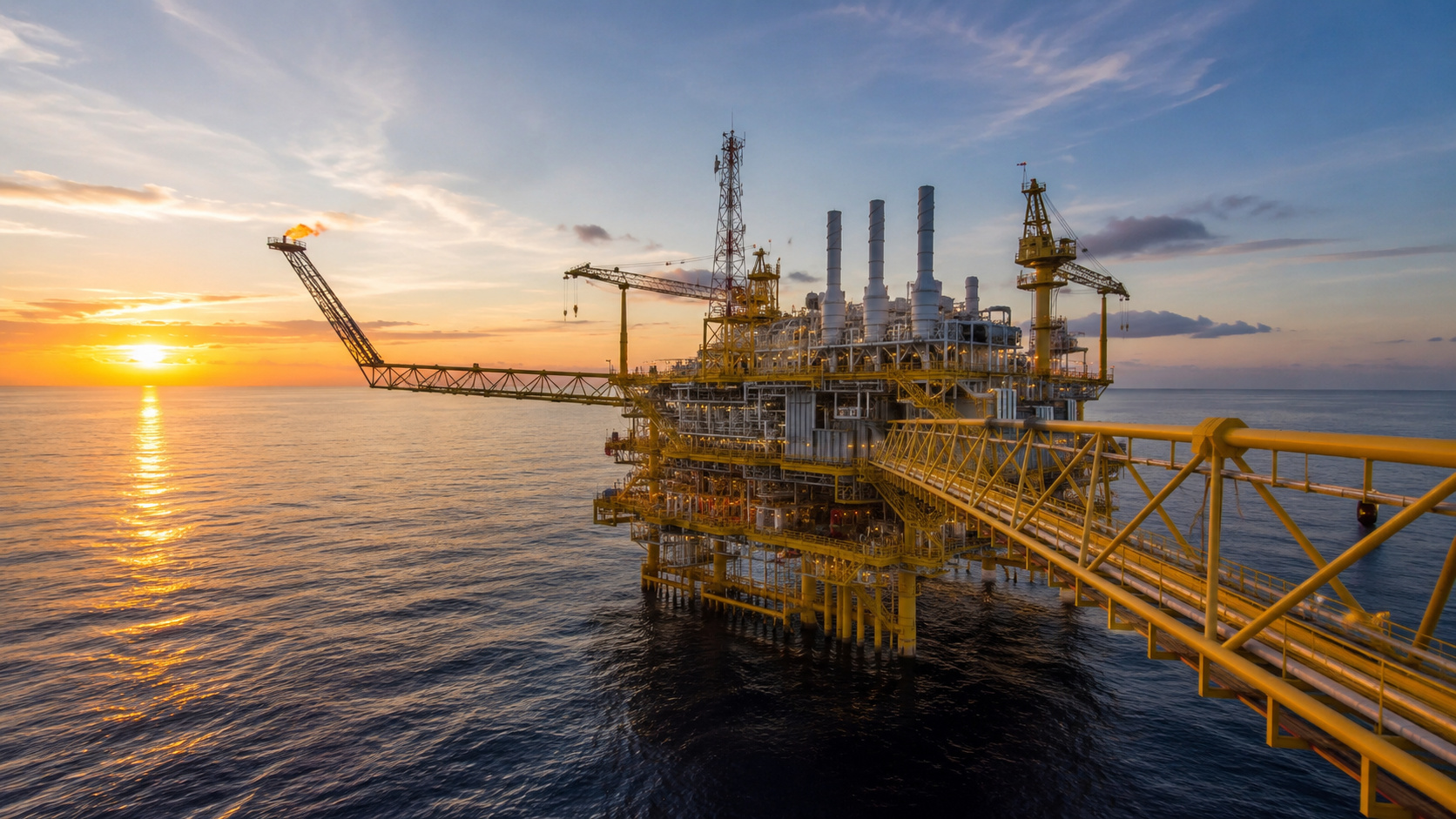


The goal of OPEC+ is to adjust supply in light of a “stable global economic outlook” and maintain its relevance against increasing competition, especially in regions outside the cartel.
Oil Production: Faster Increase Than Expected
The acceleration in oil production announced by OPEC+ surprised the market. In previous months, the monthly increase had been maintained at 411,000 bpd — a number well below what was decided for August.
Since April, the group has begun reversing cuts that totaled 2.2 million bpd. With the new volumes, production has already been increased by 1.919 million barrels per day.
Only 280,000 bpd remain to be added to complete the recovery cycle defined at the end of 2024.
OPEC+ Leading Countries Drive Expansion
The expansion of production will be led by Saudi Arabia, Russia, Iraq, the United Arab Emirates, Kuwait, Kazakhstan, Algeria, and Oman. These eight countries are the largest contributors to the adjustment of global oil supply within OPEC+.
The decision demonstrates the effort, especially by Saudi Arabia, to regain market share and control members who have exceeded their production targets, such as Kazakhstan.
Despite more moderate forecasts for global oil demand growth, OPEC+ has chosen to maintain a proactive stance.
The organization emphasized that production increases can be reviewed, paused, or even reversed if market conditions become unfavorable.
In addition, the group reaffirmed its commitment to compensate for any volume of oil produced beyond what was agreed since January 2024. That is, countries that exceeded their targets will need to adjust their future levels.
Next Meeting Will Set September Production
OPEC+ has scheduled a new meeting for August 3, during which the volume of oil production for the following month will be discussed. The August decision could determine the direction of global supply in the second half of 2025.
With oil production once again growing at an accelerated pace, OPEC+’s role becomes even more strategic.
The organization needs to balance its own interests with price stability and international pressure for energy alternatives.
OPEC+ Aims for Stability and Leadership in the Oil Market
Despite increasing global attention on the energy transition, OPEC+ shows that oil production remains a central piece in the international economic landscape.
The scheduled increase and the group’s capacity for adaptation indicate that the cartel intends to maintain its influence, even in a time of change in the energy sector.
With more than half of the world’s oil production concentrated among its members, OPEC+ remains a dominant force — and its decisions continue to impact prices, investments, and the pace of economic recovery in various parts of the world.