Portuguese
  Spanish


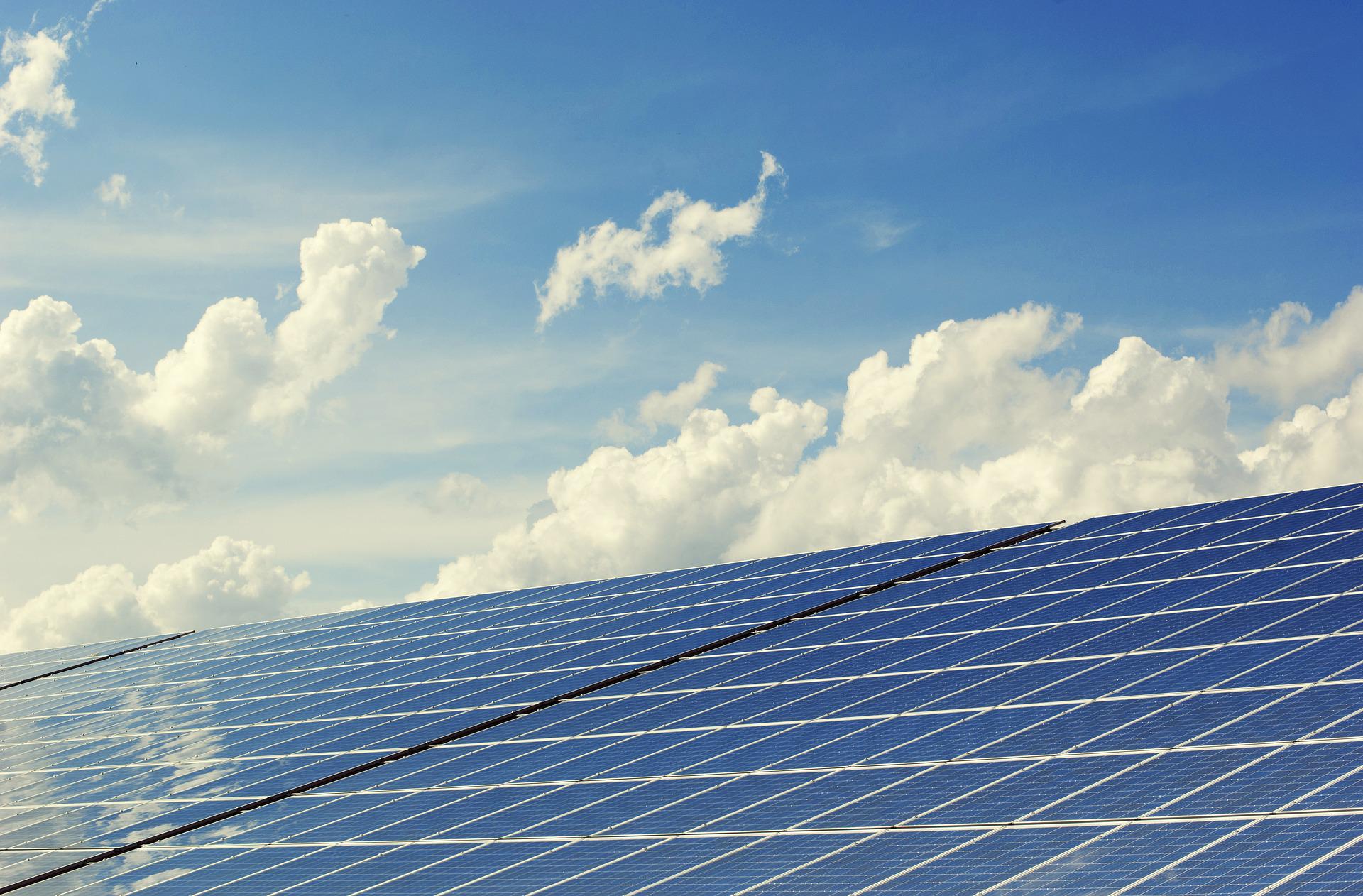

The Environment May Become More Sustainable with Scientific Developments from Some Companies Regarding Oil, Logistics, and Energy. See More Here!
The scientific developments allow the industry to achieve greater efficiency in the execution of its processes. Some of them greatly assist the oil and energy sector, enabling a cheaper and more effective energy transition, reducing the dependency that brands have on traditional materials such as polysilicon (used in traditional solar panels), which is at one of its highest prices in the last eleven years, or even on oil, a non-renewable resource.
With this in mind, Click Oil and Gas has compiled a list of the major scientific developments in the sector in 2022 that showcase high technology and cutting-edge studies aimed at reducing the climatic effects caused by carbon dioxide emissions in the environment.
1. Sand Battery to Reduce Lithium Dependency
The automotive sector, responsible for producing electric cars, has been facing significant stagnation as there is a low supply of lithium in the market, raising the prices of the semiconductor material used for battery manufacturing.
-
Two-Bedroom Home Built in a 40-Foot Shipping Container Delivered and Ready for Same-Day Living in São Paulo Countryside

-
China Constructs Artificial Island 32 km Offshore for Yangshan Port, Connected to Shanghai by 32 km Bridge, Unloading 3,000 Containers in 20 Hours
-
China’s $70 Billion River Diversion Project, the World’s Largest, Moves 44.8 Billion Cubic Meters Annually, Crosses Under the Yellow River, and Displaced 330,000 People
-
Indian Driver Spends 14 Years Digging 10-Meter Tunnel Through Mountain to Connect Isolated Village to the World



With this in mind, scientists are exploring the possibility of replacing lithium with another material in battery production. Thus, Finland developed a study addressing the ability to use sand in batteries to store energy for months and thereby reduce many countries’ dependency on conductive metals and even on oil and coal, which saw significant price increases after the outbreak of war between Russia and Ukraine.
Sand already has a history of uses in ancient engineering, such as in the construction of the Pyramids of Egypt, where it was already known that heat could be stored and retained for an extended period.
2. Marine Algae Solar Panel That Reduces CO2 Levels in the Environment
Another study focuses on the creation of marine algae solar panels, which allow the emission reduction of carbon dioxide in the environment through photosynthesis.
The panel would decrease the dependency on polysilicon and ensure the use of a material abundantly present in the marine environment. The project would function as follows:
- The panel contains marine algae exposed to UV rays.
- The UV rays provide nutrients for the algae to carry out their photosynthesis processes.
- During photosynthesis, the algae emit heat.
- This heat is stored in the form of energy, which is converted for use in homes.
- During the energy/heat production process, the algae use the carbon dioxide available in the environment and release the oxygen used by humans in respiration. Therefore, they reduce the greenhouse effect.
3. Use of Ammonia for Maritime Transport and Reduction of Carbon Dioxide in Logistics Systems – Scientific Developments
Companies like Bureau Veritas and Total Energies are conducting studies to enable ammonia to be used as fuel for maritime transport and thus reduce costs by decreasing reliance on current fuel types. Ammonia is a sustainable alternative as it reduces carbon dioxide emissions in the environment and consequently mitigates the impacts of the logistics of a globalized world on the greenhouse effect.
The only obstacle to using ammonia was the fact that both companies lacked knowledge of a solution that would remove the product’s acidic concentration in the event of a maritime spill. However, the institution DUX created a product capable of dissolving ammonia and ensuring it becomes non-toxic to humans and the ecosystem.