






 Portuguese
  Spanish
  3 min of reading
  0 comments


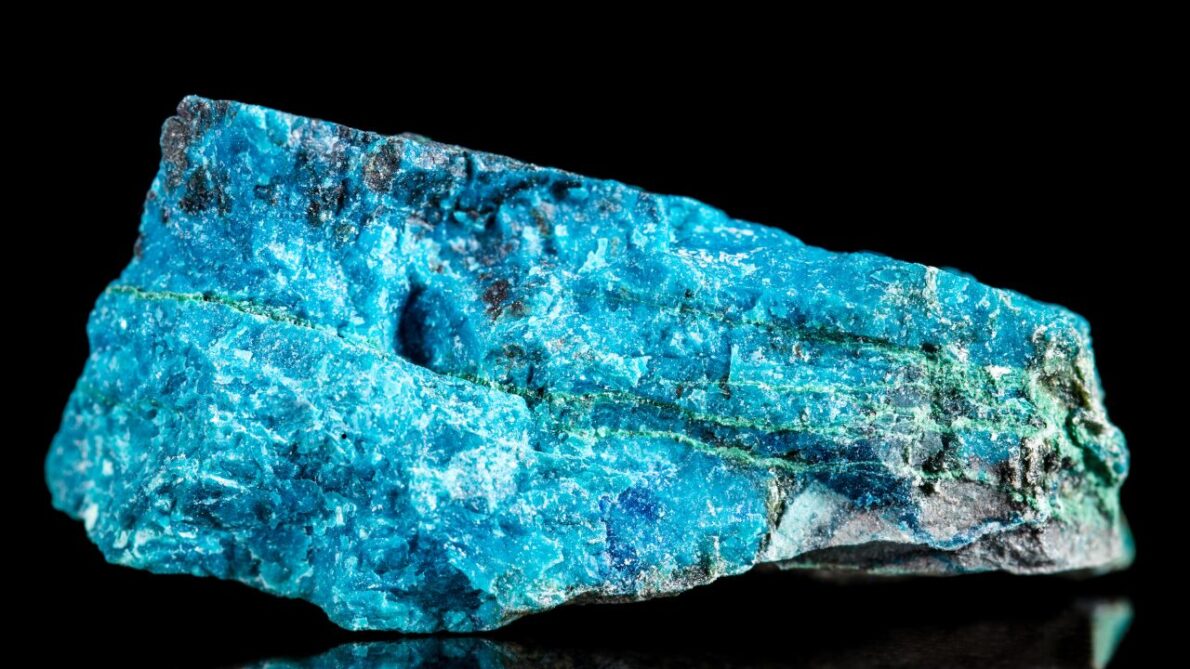
India Plans to Explore Seabed Minerals Amid Debates on Moratorium and Environmental Impacts at the International Seabed Authority.
The search for minerals used in the manufacturing of batteries, solar panels, and wind turbines, among other energy transition technologies, has reached the seabed. While some countries discuss a moratorium or even a ban, others are advancing their exploration plans, with India being one of those nations.
The Race for Seabed Minerals
China, Russia, and Pacific island nations have already secured licenses for exploration in the Pacific Ocean, allowing for testing but not extraction.
The extraction depends on regulation currently being discussed at the International Seabed Authority (ISA).
-
Israel finds Hezbollah militarized tunnel over 200 meters long under village, with 4 missile launch shafts, 12 chambers, anti-tank missiles, drones, and weapons depots at a depth of 25 meters.

-
Ukraine launches largest drone attack on Moscow since 2022, Russia claims to have intercepted nearly 200 aircraft near the capital, Kapotnya refinery targeted again, and offensive reignites alert about war reaching the Russian energy heart just a few kilometers from the Kremlin.

-
Truck drivers, freight, and fines from 2022 take center stage in politics: Chamber approves MP with amnesty, mandatory tracking by CIOT, million-dollar penalties, and new minimum wage for those who spend more than 24 hours on the road.

-
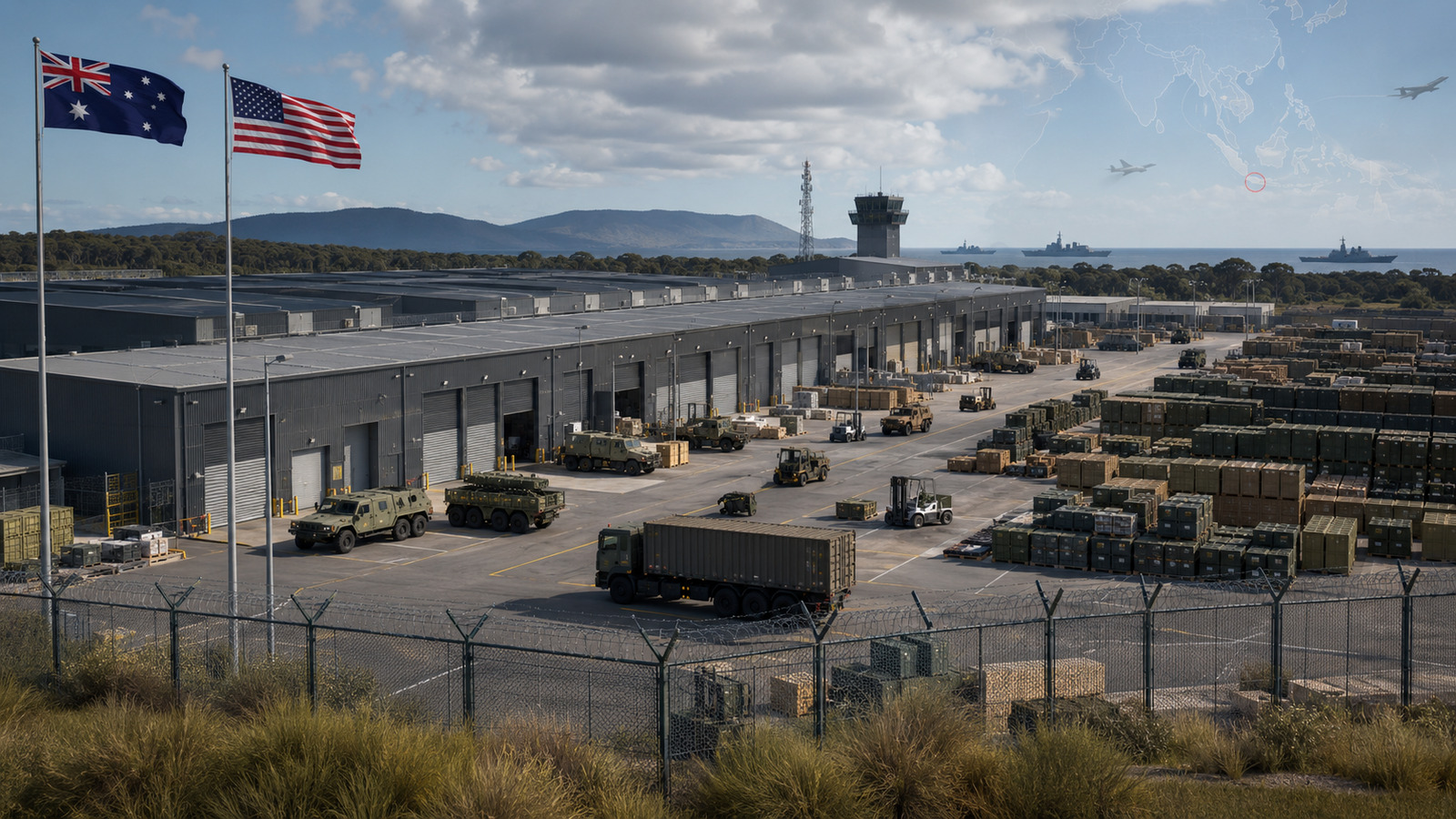
China off the radar: US plans mega $30 million weapons depot in Australia, out of reach of most Chinese missiles, with full capacity expected by 2028


According to information from Reuters, India plans to focus on the Clarion-Clipperton Zone, between Hawaii and Mexico, where there is a large concentration of polymetallic nodules containing manganese, nickel, copper, and cobalt.
However, unlike China, India has no experience in seabed mining and will need at least three to four years to be ready to extract minerals from the depths of the ocean.
Mining Code Under Discussion
The ISA council has been meeting since last week to negotiate the final text of a proposed Mining Code.
The council is made up of 36 countries, including India, China, Russia, and Norway — which has already opened 280,000 square kilometers in areas in the seas of Greenland, Norway, and Barents for mining companies to apply for licenses.
So far, 27 of the 36 council member countries have favored a moratorium until the potential impacts of this activity at sea are known and a safe mining code is created.
France, for example, advocates for a complete ban on deep-sea mining.
Environmental Fears and the “Two-Year Rule”
Amid differing viewpoints and interests, there is concern among environmental organizations that the design of this regulation will not advance and the door will remain open for unregulated exploitation.
A “two-year rule” in the United Nations Convention on the Law of the Sea, when triggered, allows a state to submit for approval a work plan for large-scale commercial mining, even if the code has not been adopted.
The council meeting concludes on Friday and will be followed by a general assembly, where all 167 member states, in addition to the European Union, must decide on permitting the start of deep-sea mining and elect the next secretary-general.
The contest is between the current secretary, British Michael Lodge, and Brazilian marine scientist and diplomat Leticia Carvalho.
Uncertain Cost-Benefit of Seabed Extraction
Less than 25% of the ocean has been mapped by researchers around the world, and there are still no commercial mining operations in deep waters, increasing the degree of doubts about the risks and benefits of extracting resources from poorly understood ecosystems.
Proponents of deep-sea mining argue that it is necessary to meet the rising demand for critical metals to support energy transition initiatives.
They rely on projections from consultancies indicating that the supply of many minerals and metals needed for manufacturing key low-carbon technologies will face shortages within this decade.
On the other hand, researchers assert that the biosphere is made up of over 90% of the ocean floor, thus playing a crucial role in climate regulation and fisheries production.
However, it is already under stress due to climate change, trawling, and pollution.
In a statement signed by over 800 experts in marine sciences and policies from more than 44 countries, they assert that deep-sea mining would increase these stressors, resulting in irreversible loss of biodiversity and ecosystem functioning.





Be the first to react!