






 Portuguese
  Spanish


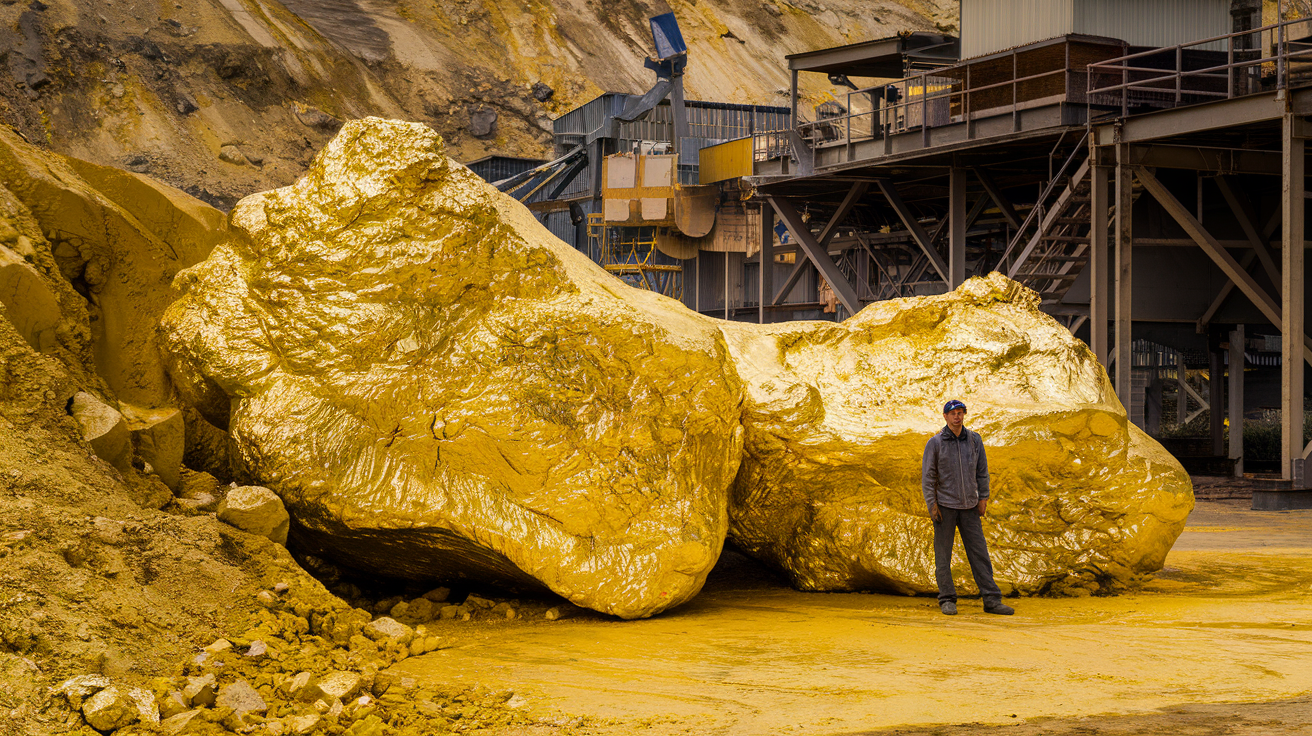


Largest Gold Deposit in the World May Have Been Discovered in China and Could Completely Change the International Market. Check Out Below the Details About the New Gold Deposit and Why It Has Been Gaining Traction!
Largest Gold Deposit in the World Discovered? Since the dawn of civilization, gold has captivated and served as a symbol of power, wealth, and economic security. Today, despite the digitization of economies and the rise of cryptocurrencies, the precious metal continues to play a fundamental role in international reserves and the financial stability of various countries.
In late 2024, geologists from China announced the discovery of a gigantic underground gold deposit, with the potential to become the largest in the world. The find could not only reposition China in the global mining landscape but also have significant impacts on the international economy.
Deposit Discovered in Hunan May Contain Up to 1,000 Tons of Gold
The discovery was announced on November 20, 2024, by the Department of Geology and Mineral Resources of Hunan Province (GPHB). The deposit is located in the mountainous region of Wangu in the northeast of the province and has shown promise after in-depth geological analyses.
-
Chinese Manager Accused of Whipping Worker Sparks Protest by 1,200 Employees at Major Brazilian Factory

-
France Revamps 530 Social Housing Units with Large Balconies and Glass Facades Without Demolishing Existing Buildings

-
10-Year-Old Max Makes History with Paris Fashion Show, Launches Own Brand, Hires Staff, and Sets World Record as Youngest Runway Designer

-
Bolivian Female Construction Workers Form Association to Combat Discrimination and 38% Pay Gap in the Industry




Initially, experts estimated around 330 tons of the precious metal. However, more recent surveys indicate that the deposit may contain up to 1,000 tons of gold, distributed across approximately 40 geological layers, at depths reaching 3,000 meters below the surface.
According to the state news agency Xinhua, if these figures are confirmed, the estimated value of the deposit would exceed 600 billion yuan – about US$ 82.6 billion at current exchange rates.
High-Quality Gold: 138 Grams Per Ton of Ore
One of the factors that elevates the importance of the new deposit is the high concentration of gold in the extracted ore. According to official data, each ton of rock contains, on average, 138 grams of gold, an index that classifies the deposit as one of the richest in purity among known deposits worldwide.
Additionally, geologists have identified indications of gold in adjacent areas, suggesting that the reserve may be even more extensive than initially estimated.
Global and Regional Economic Impacts
The discovery of this deposit in Chinese territory could alter the global gold market balance. The expanded supply of the metal is expected to affect international prices, influencing economies that depend on gold exports, investment funds, central banks, and even currencies that use gold as backing.
Domestically, expectations are that the Wangu region will attract large investments, both public and private. According to the Latin American economic policy blog Foco Económico, mining projects of this scale typically generate growth in local GDP, increased per capita consumption, and reduced poverty rates.
Studies from the World Bank also indicate that mining regions are more likely to experience socioeconomic advancements when there is responsible management of generated resources and reinvestment in infrastructure and education.
Social and Environmental Challenges
Despite the great economic potential, the exploitation of the largest gold deposit in the world raises environmental and social concerns. The intensification of industrial activity may lead to ecological impacts, such as deforestation, contamination of groundwater, and displacement of traditional communities.
Experts argue that gold extraction in the Wangu region should be accompanied by rigorous environmental impact studies and mitigation measures, ensuring that development occurs sustainably and equitably.
China as a Power in Gold Mining
In 2023, China was the largest gold producer in the world, with approximately 370 tons extracted, according to data from the World Gold Council. Nevertheless, the country faces a discrepancy between production and domestic demand, as Chinese consumption exceeds the amount produced annually.
With the new deposit, this scenario may change. Self-sufficiency in gold production could strengthen China’s geopolitical position, as well as reduce its dependence on imports and bolster its currency in international negotiations.


Para o autor do artigo: favor corrigir o mesmo, NENHUMA MOEDA POSSUI LASTRO EM OURO. Pelo Sistema Financeiro Internacional ANTERIOR, toda moeda era “lastreada” no Dólar e o Dólar era lastreado no Ouro, no Sistema Financeiro Internacional ATUAL, toda moeda é lastreada no Dólar e o Dólar “em nada” 👍
Parabéns
China faz este anúncio depois de comprar uma das maiores reserva de minério na Amazônia do Brasil. Basta pesquisarem no Google, o quanto de minérios foram apreendidos indo irregularmente pra china. Muito estranho, visto que a tecnologia para mapear subsolo via satélite é antiga e só agora descobrirem esta reserva.