Portuguese
  Spanish


A study from Zhejiang University points to a promising alternative to daily insulin injections: a smart polymer that penetrates the skin, reduced glucose in animals, and could pave the way for patches or creams in diabetes treatment.
Zhejiang University has presented a breakthrough that could change one of the toughest routines in diabetes treatment: needle-free insulin application through the skin. Instead of daily injections, researchers tested a polymer capable of delivering the molecule to the bloodstream and reducing glucose in animals.
The study, published on November 20 at Zhejiang University, shows that the technology worked in tests with mice and mini pigs. If it advances to clinical use, the proposal could change how millions of people manage diabetes, with the possibility of patches or creams instead of needle applications.
Today, more than half a billion people live with the disease worldwide, and many patients depend on one to four injections per day. Besides the discomfort, the treatment can bring effects such as hypoglycemia, which affects adherence to long-term care.
-
After 40 Years of Research, Powdered Coconut Water to Be Produced in Brazilian Biorefinery, Aiming to Revolutionize Health for Children, Elderly, and Hospital Patients

-
Queen Guitarist Brian May Collaborates with ESA Scientists to Study Asteroids Bennu and Ryugu Using 3D Simulations
-
Largest Known Single-Piece Meteorite, Weighing 60 Tons, Puzzles Scientists with Its Intact Fall and Lack of Visible Crater

-
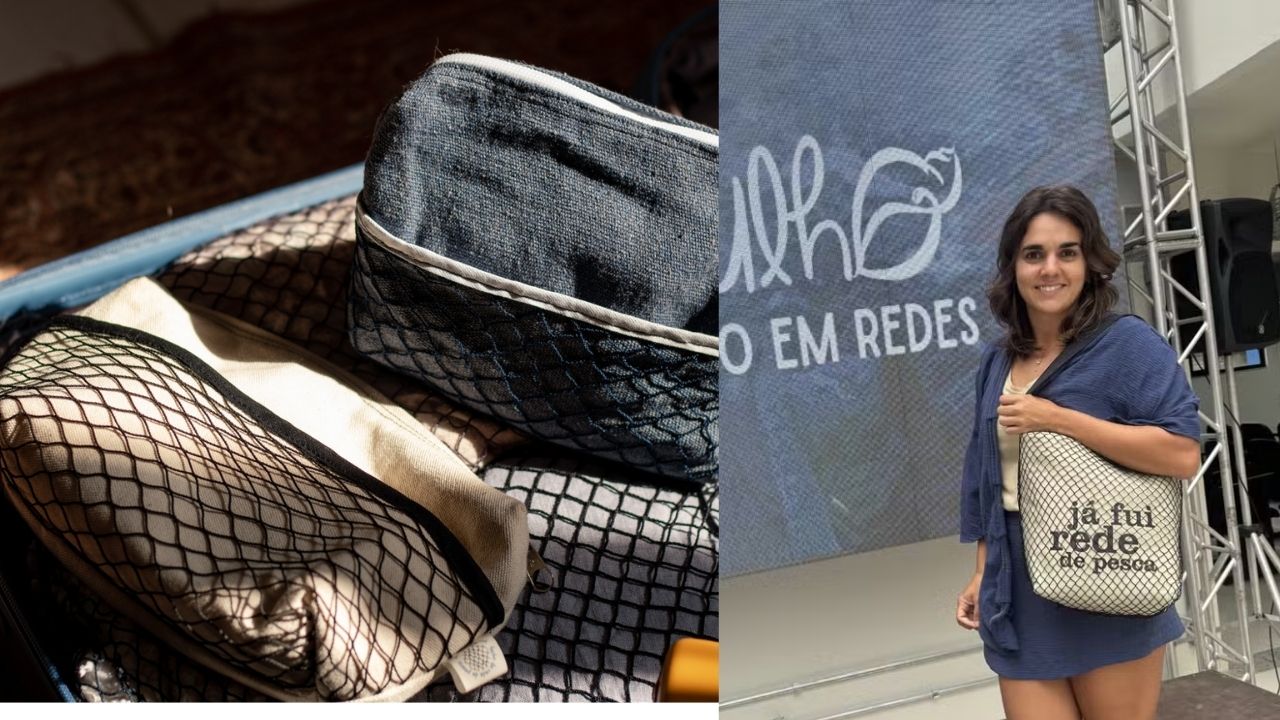
Oceanographer Turns Abandoned Fishing Nets from Brazilian Waters into Bags, Creating Jobs and Earning Over $7,000 Monthly



The OP polymer penetrates the skin and carries insulin along
At the center of the research is a material called OP, designed to be highly permeable to the skin. Scientists had already tested the polymer in another area, in the transport of cancer drugs, and found that it penetrated tissues more easily than expected.
From there, the question that guided the study arose: if OP can pass through solid tissue, could it also overcome the skin barrier? The answer was yes. The team observed that the polymer can penetrate the outermost layer of the skin, the stratum corneum, and carry insulin along in the process.
To turn the idea into treatment, the researchers coupled OP with insulin and created OP-I. According to the tests described in the study, the substance traverses the skin in a “hopping” motion along cell membranes, which helps protect insulin from being degraded too early.
In mice, glucose dropped in an hour and the effect lasted more than 12 hours
The results in animals drew attention for the speed and duration of the effect. In diabetic mice, a single application of OP-I on the skin brought glucose back to normal in about an hour.
The effect lasted for more than 12 hours without causing dangerous drops in blood sugar, a known risk of traditional injections. In mini pigs, which have skin more similar to humans, a relatively low dose was also sufficient to normalize glucose.
Another important point was skin safety. After repeated use, the researchers did not observe inflammation or damage to the skin barrier. This differentiates the approach from many chemical penetration enhancers, which often irritate or damage the skin.
How the material adapts to the skin’s chemistry
The functioning of the OP depends on the skin’s own structure. The skin surface is slightly acidic, while the deeper layers are more neutral. The polymer takes advantage of this difference to change behavior along the way.
On the surface, with a pH around 5, the OP becomes positively charged and binds to negatively charged fatty acids, forming a kind of temporary reservoir that increases the concentration needed for penetration. Deeper, it loses the charge and acts as a highly water-soluble substance, which facilitates diffusion between cells.
The authors describe the process as an intelligent chemical adaptation to the skin’s environment. It was this characteristic that helped the system overcome a barrier that, until now, remains one of the biggest obstacles for needle-free biological drugs.
From patches to other medicines: the platform can go beyond insulin
The team claims that the technology can be expanded to other biological molecules. The system has already been adapted, according to the study, for drugs such as liraglutide and semaglutide, as well as therapeutic proteins, monoclonal antibodies, and siRNA.
The researchers also reported that the technology has already been licensed to industry partners and is moving towards the clinical translation stage. If successful outside the lab, the promise is ambitious: to transform the administration of drugs for chronic diseases, such as diabetes and rheumatoid arthritis, into something as simple as applying a cream or sticking on a patch.
For now, the strongest results are in the laboratory and animal tests. But the work of Zhejiang University opens a new path for needle-free insulin — and this can make a big difference for those who live with the disease every day. If you follow health innovation, it’s worth keeping an eye on this race.