





 Portuguese
  English
  Spanish
 3 min of reading


The History of Blackouts in Venezuela and the Lack of Investment in Energy Infrastructure Led to the Interruption of Supply to Roraima
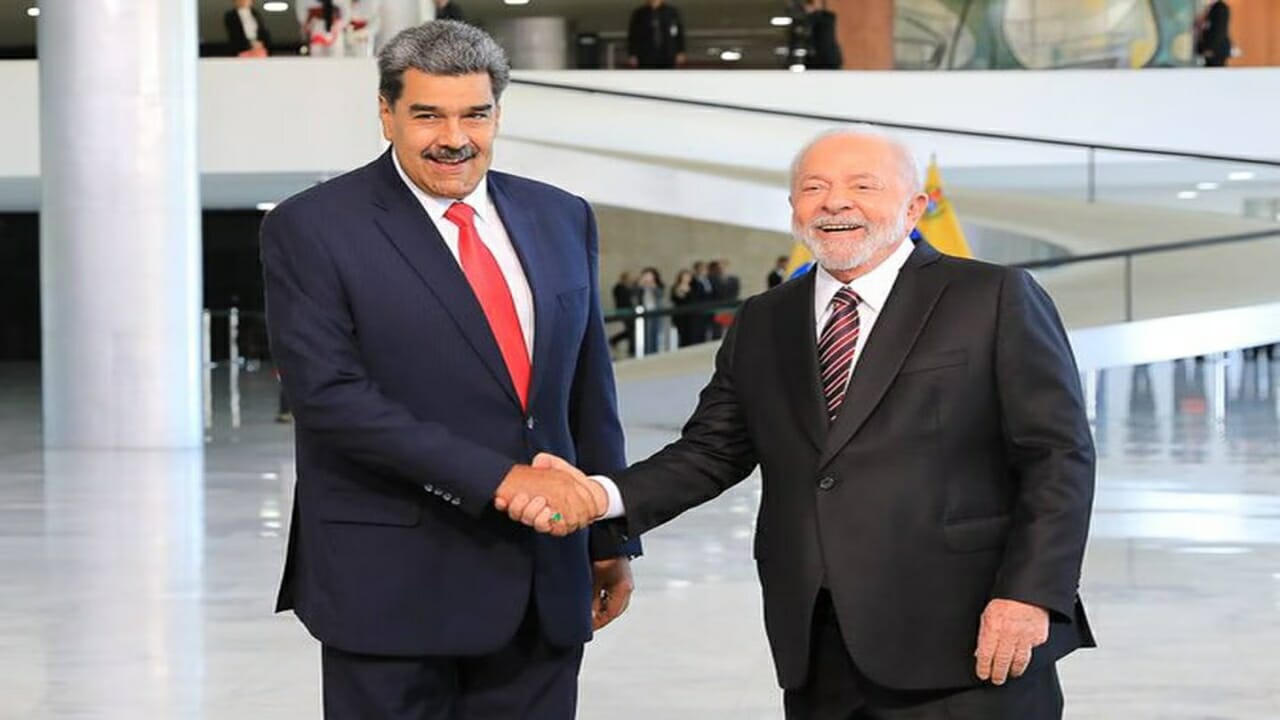
The President of the Republic, Luiz Inácio Lula da Silva, and the President of Venezuela, Nicolás Maduro, expressed support for the resumption of energy purchases from Venezuela by Brazil to supply the state of Roraima. In addition to seeking energy integration, there are also discussions about the possibility of using this energy export as a way to offset Venezuela’s debt to Brazil. However, the purchase of energy from the Guri hydroelectric plant in Venezuela for the supply to Roraima has been a controversial topic in the Brazilian energy landscape.
Energy Sovereignty and National Security
During a meeting between Lula and Maduro, the Brazilian president strongly advocated for restoring the energy relationship between the two countries. Lula emphasized the importance of operationalizing the Guri transmission line, which would connect Roraima to the national energy grid, avoiding exclusive reliance on thermoelectric plants. This initiative aims to ensure a more efficient and sustainable electricity supply for the state.
Despite the argument that energy from Guri is cheaper, we must analyze the long-term cost. Roraima, dependent on thermoelectric plants powered by fuel oil and natural gas, faces a scenario of exorbitant prices, reaching R$ 1,100 per megawatt-hour. However, sacrificing energy security and relying on a problematic neighboring nation does not seem to be the ideal solution.
-
Somali referee was close to fulfilling his dream of officiating at the World Cup, was barred in the USA and returned home welcomed as a hero in Somalia

-
Discovery of floating structure in Scarborough prompts Philippines to act and increases international attention on the South China Sea

-
Hungarian deputies approve a 40% cut in their own salaries, lose allowances, and place political privileges at the center of a change that surprised Europe.
-
US targets Alibaba, Baidu, BYD, Tencent, and Nio by including Chinese giants on the list of companies linked to China’s Armed Forces





The possibility of resuming dialogue with Caracas regarding Guri energy raises serious concerns. In recent years, the Brazilian government has maintained a distant posture from Nicolás Maduro’s regime, and rightly so. The history of blackouts in Venezuela and the lack of investment in energy infrastructure led to the interruption of supply to Roraima. Is it wise to trust again in a politically unstable country?
By Relying on Venezuelan Energy, We Risk Compromising Our Energy Sovereignty and National Security.
Instead of seeking dubious solutions abroad, why not invest in renewable and sustainable energy sources within Brazil? Roraima has great potential for solar and wind energy, which could drive regional development and reduce environmental impacts. Instead of spending billions on subsidies to offset the high cost of fuel oil, we should direct those resources towards infrastructure development and incentives for clean energy.
In times of political instability or conflict, like the one Venezuela currently faces, we could become hostages to an uncertain and potentially volatile energy source. It is essential to seek internal solutions that ensure Brazil’s autonomy regarding energy supply, protecting our interests and minimizing the risks involved.
Challenges and Controversies: An Opportunity That Only Benefits Venezuela
For Nicolás Maduro, the energy connection with Brazil through Roraima is a point of interest, given that it presents an opportunity to reduce Venezuela’s debt to Brazil. This strategy could be advantageous for both countries; unfortunately, it only benefits the neighboring country, allowing it to settle debts.
However, it is necessary to establish clear agreements and ensure that the benefits are balanced, considering the challenges and controversies involved in this proposal, as the political and economic crisis faced by Venezuela raises questions about the reliability and stability of energy supply. Furthermore, there are environmental concerns since energy from Guri is hydroelectric. It is crucial for the Brazilian government to carefully evaluate these aspects before proceeding with the resumption of energy purchases.
The resumption of energy purchases from Guri in Venezuela to supply Roraima is a complex matter that requires a thorough analysis of the risks and opportunities involved. While there are economic arguments in favor of this partnership, the Brazilian government cannot ignore the political, environmental, and security challenges that may arise.
Instead, now is the time to explore internal alternatives, investing in renewable energy sources, thus ensuring Brazil’s energy sovereignty and contributing to a more sustainable future.




Be the first to react!