






 Portuguese
  Spanish


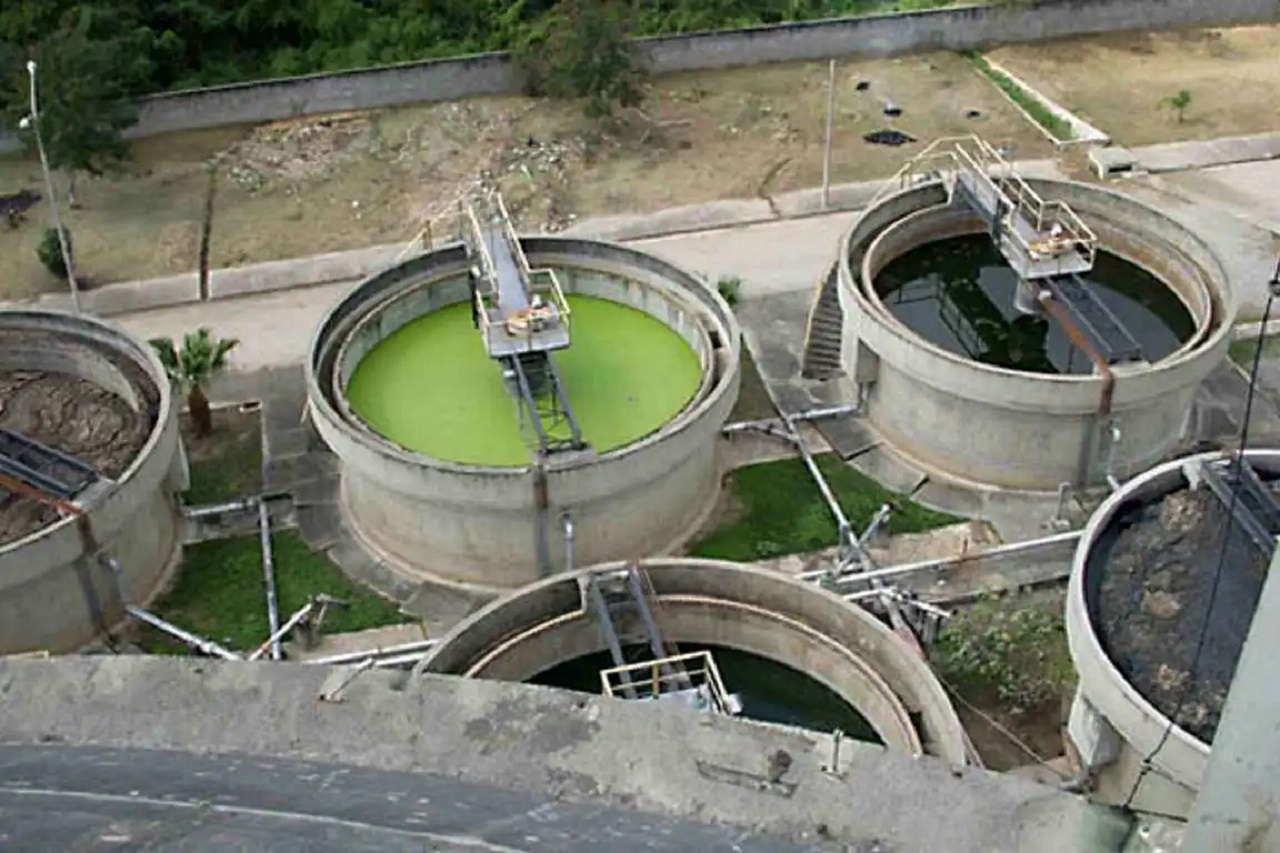

Researchers in São Paulo Are Developing a Project Capable of Generating Clean Energy from Sewage Water. The Initiative Could Contribute to the Ethanol Industry.
A clean energy generation has been gaining various new methods to ensure more efficient sustainability worldwide. Additionally, these services enable a better quality of life through the plans that science creates. Thus, researchers in São Paulo have found a new way to generate energy from sewage water.
Project Developed by Researchers from the Laboratory of Sanitation and Environmental Technologies (LabSan Tec)
This process will allow for the separation of waste to generate energy from sewage water. The clean energy project was developed by researchers from the Laboratory of Sanitation and Environmental Technologies (LabSan Tec) at the University of São Paulo (USP), and to achieve this, the team developed a cell that generates energy from sewage water.
In this way, the group of researchers focuses on six units of the laboratory, which present a power of 48W per cubic meter of system volume. Thus, the researchers plan to enhance the performance of the new method.
-
Green Hydrogen Projects in Northeastern Brazil Stalled for 18 Months Awaiting Government Decree, Delaying Billions in Investments

-
Brazil Concludes Largest Energy Auction in History, Secures 18.97 GW and Mobilizes $12.8 Billion to Ensure Supply Until 2031
-
How Norway Produces More Energy Than It Consumes with Nearly 1,800 Hydropower Plants and Over 1,100 Reservoirs

-
Axia Energia Invests $280 Million in Q1, Increases Investments by 36%, and Turns Loss into $740 Million Profit


Clean Energy Initiative from Researchers in São Paulo Could Benefit Ethanol Production Industries
For the new energy project from sewage water by scientists in São Paulo, a patent has already been requested. The process is quite similar to the vinasse system for ethanol production.
However, researchers isolated synthetic materials and electrogenic bacteria. In addition, the project could also bring benefits to the ethanol production industries and will help balance waste mitigation in the environment.
Treatment plants will be more efficient. An innovative system for clean energy generation will be implemented in the sewage of large cities. Thus, energy will be less wasted.
Sewage Gas Can Be Transformed into Hydrogen for Vehicles
A group of researchers from the Clean Energy Research Laboratory in Ohio, USA, plans to transform the gas emitted by sewage into a new hydrogen fuel that will be sustainable and help cars reduce the emission of polluting gases into the environment.
According to Lang Qin, a researcher at the university, hydrogen sulfide generated by sewage is one of the gases that most harm the environment and industry.
According to the researchers’ study, the work demonstrates a new strategy for the removal of high-yield hydrogen sulfide using a low-percentage dopant modification sulfur carrier, generating new insights for an effective dopant separation strategy, contributing to the design of a future carrier.


