Portuguese
  Spanish



The Chartering and Provision of Services of FPSO Almirante Tamandaré Will Be for the Búzios Field in the Santos Basin
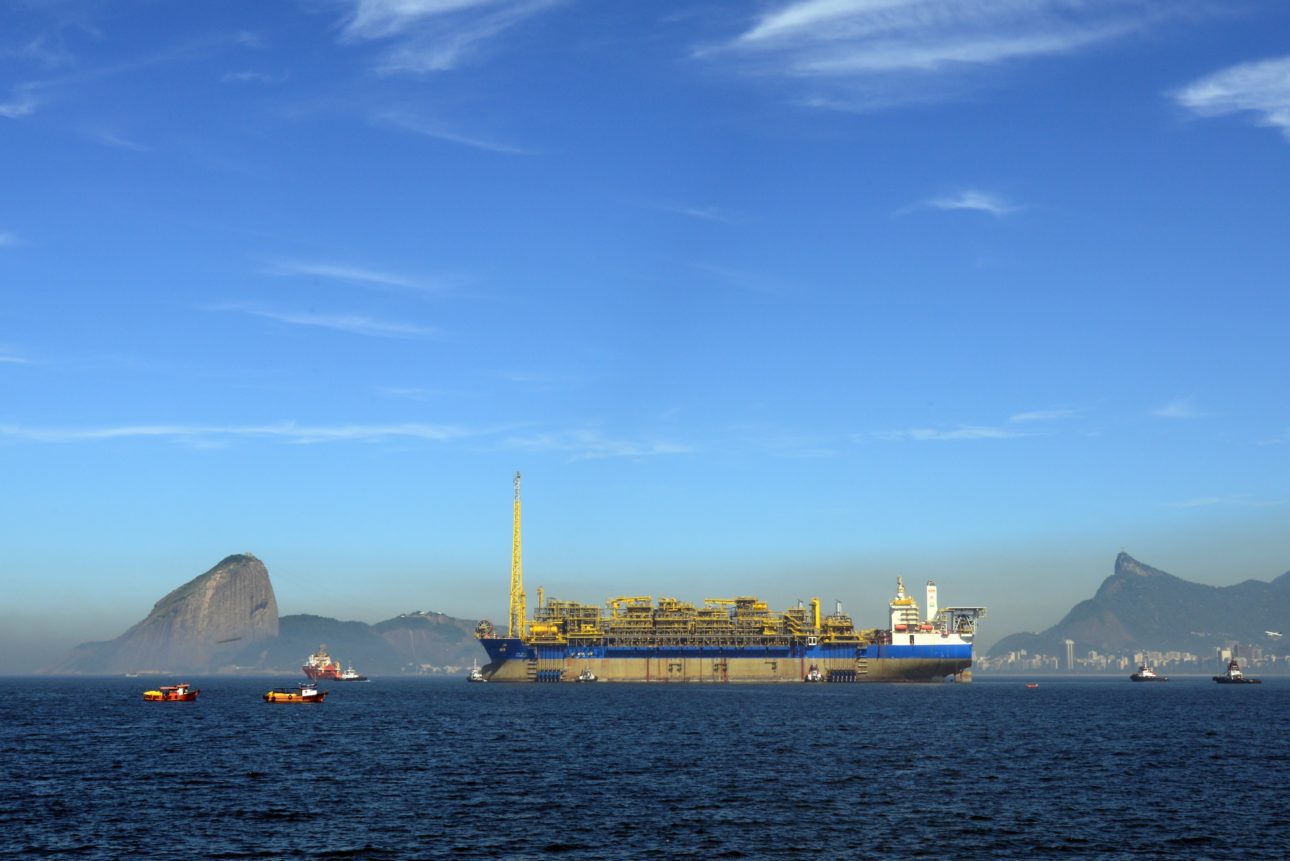
Petrobras informs that it has signed a letter of intent today with SBM Offshore for the chartering and provision of services for the FPSO – floating production storage and offloading (floating unit that produces, stores, and transfers oil) Almirante Tamandaré, to be installed in the Búzios field, located in the pre-salt layer of the Santos Basin.
Check Also:
- Four More Biodiesel Plants Join the Decarbonization Program of RenovaBio
- Fuels – Rising Dollar Has Greater Influence on Prices Than Oil Value
- Aneel Reports That Electricity Bill Increase Expected to Be the Highest Since 2018
According to Petrobras, this unit will be the sixth in the system to be installed in the Búzios Field, and will have a processing capacity of 225,000 barrels of oil and 12 million m³ of gas per day. The chartering and service contracts will last for 26 years and 3 months, counted from the final acceptance of the unit, expected in 2024.
The project includes the interconnection of 15 wells to the FPSO, consisting of 6 oil producers, 6 water and gas injectors, 1 gas injector, and 2 convertible wells, through an underwater infrastructure made up of rigid production and injection pipelines and flexible service pipelines.
-
Petrobras Explores Entry into Corn Ethanol Market, Aiming to Become a Biofuel Giant

-
Brazil’s $8.5 Billion Auction Secures New Power Plants to Prevent Peak Hour Energy Shortages
-
Why Gasoline Prices Remain Stable: How Petrobras’ Subsidies and Pricing Policies Control Fuel Costs in Brazil
-
SpaceX Plans 13 km Pipeline to Reduce Truck Reliance and Speed Up Starship Rocket Launches in the U.S.


Petrobras Refineries Sales May Be Affected by Change in State Company Presidency
As part of Petrobras’ divestment plan, refineries may undergo changes that were not anticipated by the state company, under the new direction of General Silva e Luna. The new CEO of the company has publicly stated that, since the decision on this matter is collegial, he does not foresee the possibility of changes in fuel prices. However, beyond shareholders and profits, it is necessary to assess the company’s impact on the entire population.
The new direction of Petrobras was announced by President Jair Messias Bolsonaro on February 19, and this intervention was greatly influenced by truck drivers, who protested against rising fuel prices. Check out the full article by clicking here.