Portuguese
  Spanish


Partnership Between Petrobras and Hitachi Energy Analyzes Electrification of Offshore Platforms Aiming to Reduce Carbon Emissions Using Renewable Energy.
The Petrobras announced in July 2025 the signing of a contract with Hitachi Energy to study the feasibility of electrifying its offshore oil and gas platforms.
The agreement aims to assess the connection of the units with the onshore electricity grid, as part of the state-owned company’s strategy to reduce carbon emissions in its offshore operations.
The study will involve an analysis of costs, interconnection technologies — such as alternating current (AC) or direct current (DC) — and other technical factors.
-
OPEC+ Boosts Oil Supply by 188,000 Barrels per Day in July 2026, Leading to Price Drop from $112 to $89 per Barrel in Under Two Months

-
TotalEnergies Signs 20-Year Deal to Purchase 2 Million Tons of LNG from Alaska, Boosting Project Viability
-
Turkey Deploys Çağrı Bey Drilling Ship to Explore New Oil Frontier Off Somalia’s Coast
-
Golden Pass LNG Ships First Liquefied Gas Cargo from the U.S., Completing $10 Billion QatarEnergy and ExxonMobil Investment


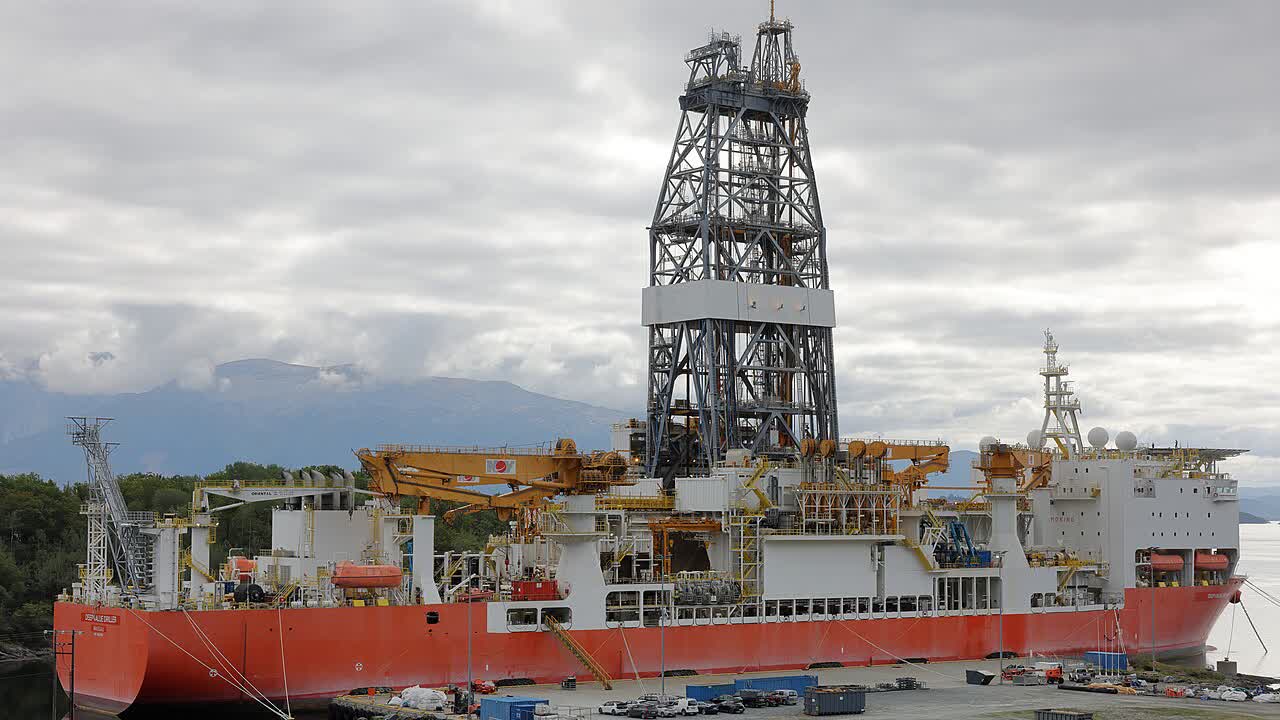

The goal is to understand whether it is economically and operationally feasible to replace the self-generated energy, currently based on natural gas extracted from the platforms, with electricity from renewable sources.
Clean Energy at Sea: Petrobras’ Plan for the Offshore Future
Energy production at Petrobras’ platforms is currently done using natural gas, a less polluting option than diesel, but one that still significantly contributes to the company’s emissions.
With this new study, the company intends to explore the use of renewable sources, such as wind, hydropower, and solar, to power its offshore operations.
According to Cezar Siqueira, General R&D Manager in Production Development at Petrobras’ research center, the proposal is part of a broader portfolio of the state-owned company focused on innovation and low carbon:
The option for interconnection with the onshore electrical system stands out, which is why partnerships with companies specialized in offshore electrical systems have been established, he revealed.
Hitachi Energy Brings Global Experience to the Energy Transition Challenge
With extensive experience in sustainable energy solutions, Hitachi Energy was selected to lead this consulting project due to its track record in integrating clean technologies.
The company will be responsible for mapping the scope and timeline necessary for implementing the electrical interconnection.
According to Daniel Galvan, Global Product Group Manager at Hitachi Energy, the initiative has great potential for impact:
“Petrobras is leading the way for a just energy transition with its efforts to ensure sustainable operations. Investing in the electrification of platforms represents a critical step forward.”
Partnership Reinforces Commitment to Sustainability in the Oil and Gas Sector
The collaboration between Petrobras and Hitachi Energy signals an important advance in the sustainability path of the oil and gas sector.
In a global scenario where reducing emissions has become an environmental and economic requirement, actions like this position Brazil as a protagonist in the energy transition.
Furthermore, the adoption of offshore electrical solutions can pave the way for more efficient projects with less environmental impact, strengthening Petrobras’ image as a company aligned with global decarbonization goals.
The study is just the first step towards a possible revolution in how energy is generated and consumed at sea.
The electrification of offshore platforms, connected to the onshore grid with clean energy, could become common practice, not only in Brazil but in global operations.
With Petrobras’ leadership and Hitachi Energy’s technical support, the project could serve as a model for other sustainable initiatives in the energy sector, driving a future with less environmental impact.