Portuguese
  Spanish


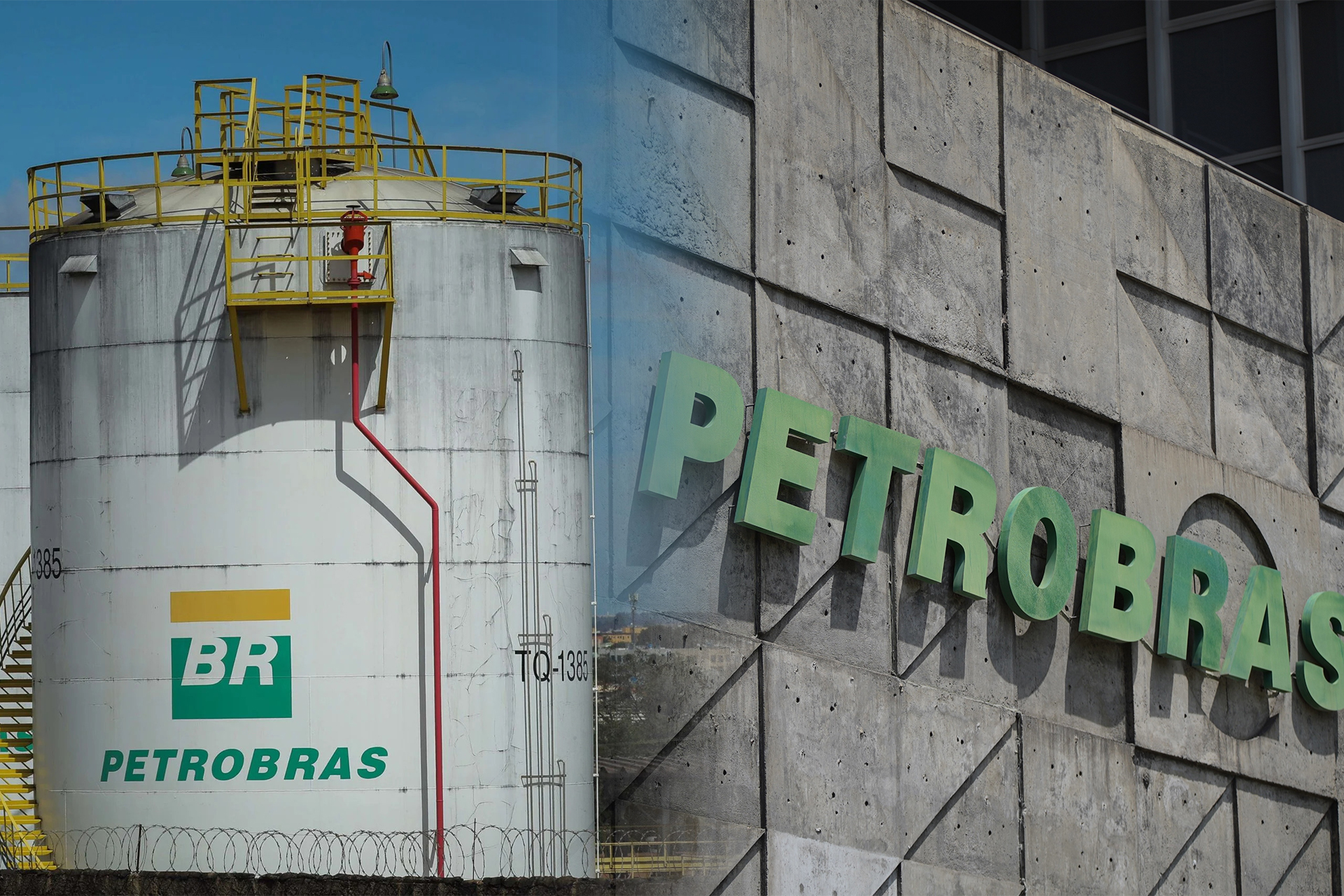

Petrobras may be prohibited from paying more than R$ 32 billion in dividends that were approved in July this year, 2022, after Guilherme Estrella, who had previously served as the company’s Exploration and Production director, filed a request in court to block the payment. Estrella requests that studies be conducted to demonstrate that the payment of dividends does not harm the oil company’s ability to compete effectively in its sector, oil and gas.
At a time when revenues are surging due to rising oil prices, the corporation faces the issue of how it should handle dividend distribution. Recently, the Brazilian oil company informed that the advance of profit distribution was planned for the coming months.
However, Petrobras disclosed to the market last Friday that Estrella had requested the freezing of R$ 32.1 billion that would be paid in advance to the federal government, as was also approved in July.
-
Petrobras Explores Entry into Corn Ethanol Market, Aiming to Become a Biofuel Giant

-
Brazil’s $8.5 Billion Auction Secures New Power Plants to Prevent Peak Hour Energy Shortages
-
Why Gasoline Prices Remain Stable: How Petrobras’ Subsidies and Pricing Policies Control Fuel Costs in Brazil
-
SpaceX Plans 13 km Pipeline to Reduce Truck Reliance and Speed Up Starship Rocket Launches in the U.S.


Petrobras Informed That The Proposed Dividends Are Aligned With The Current Policy Of Compensation To The Company’s Shareholders
The advance of distribution was approved and communicated by Petrobras’ Board of Directors on Thursday, the 3rd, where it was informed a value of R$ 3.3489 per preferred and common share, which would be paid in two installments.
Petrobras stated that the proposed value is compatible with the financial viability of the oil company in the short, medium, and long term, and that it is in accordance with the company’s current policy regarding payments to shareholders.
Additionally, the oil company stated that the dividend is consistent with its goal of creating value for both society and its shareholders. The Union, as the most voted shareholder, should have control over the company.
The current dividend distribution policy of Petrobras establishes that the company may distribute to its shareholders sixty percent of the difference between operating cash flow and the acquisition of fixed and intangible assets, if the company has a gross debt lower than 65 billion dollars. Furthermore, the insurance plan allows for the possibility of paying special dividends, provided that the company can maintain its financial viability.