Portuguese
  Spanish


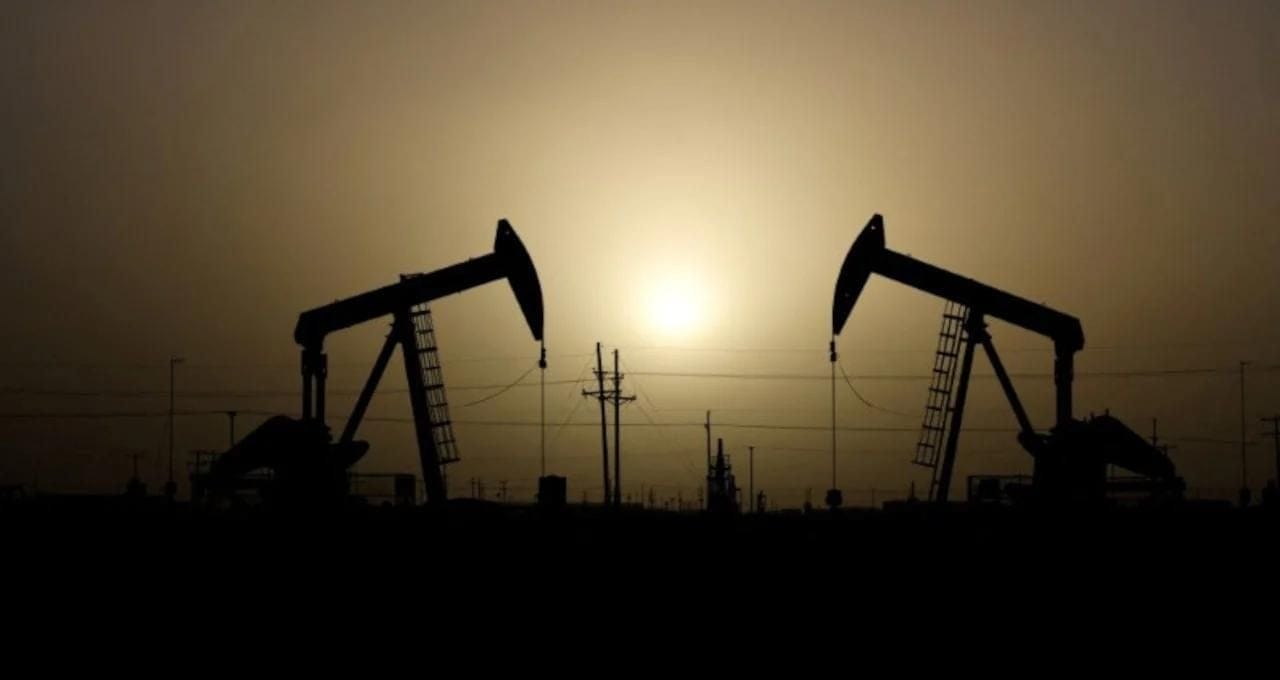

Oil Prices Rose By About 3% On Thursday, Reaching Their Highest Level Since December, Boosted By Economic Data And Geopolitical Tensions.
Brent crude futures closed up 2.99%, reaching a value of US$ 82.43 per barrel, a good sign for the oil market. Oil prices increased by about 3% on Thursday, reaching their highest level since December. Economic data from the U.S. showed faster-than-expected growth in the last quarter, further boosting the rising price of oil.
Additionally, tensions in the Red Sea kept global trade disrupted, directly impacting crude oil prices. The West Texas Intermediate oil from the United States also saw a rise of 3.02%, reaching $77.36. Geopolitical tensions in the Middle East and disruptions in maritime transport in the Red Sea corridor remained in focus, indicating an unstable scenario for the oil market.
Impact Of Geopolitical Tensions On Oil Prices
Oil futures suffered a sharp decline due to geopolitical tensions in various producing regions. Brent oil dropped 5.1% to US$ 69.79 per barrel, while West Texas Intermediate oil fell 4.9% to US$ 65.46 per barrel. Economic data shows that the faster growth in crude oil demand was overshadowed by rising stocks in the United States.
-
OPEC+ Boosts Oil Supply by 188,000 Barrels per Day in July 2026, Leading to Price Drop from $112 to $89 per Barrel in Under Two Months

-
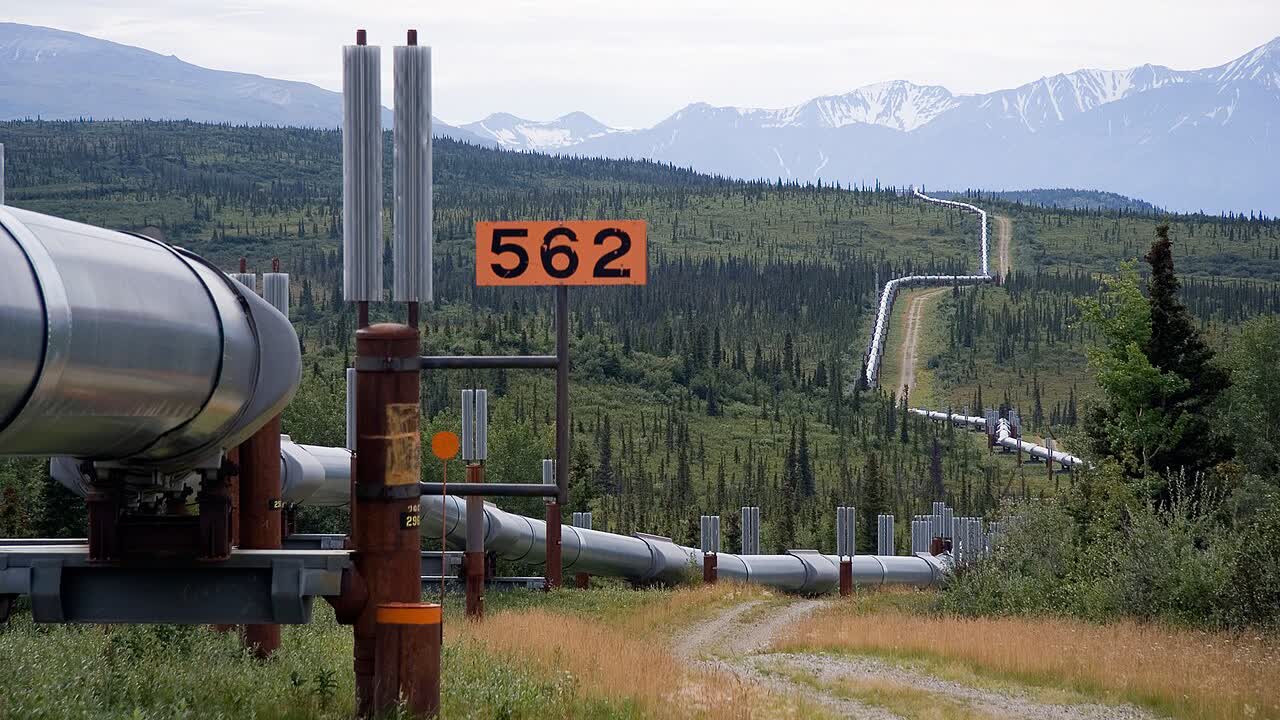
TotalEnergies Signs 20-Year Deal to Purchase 2 Million Tons of LNG from Alaska, Boosting Project Viability
-
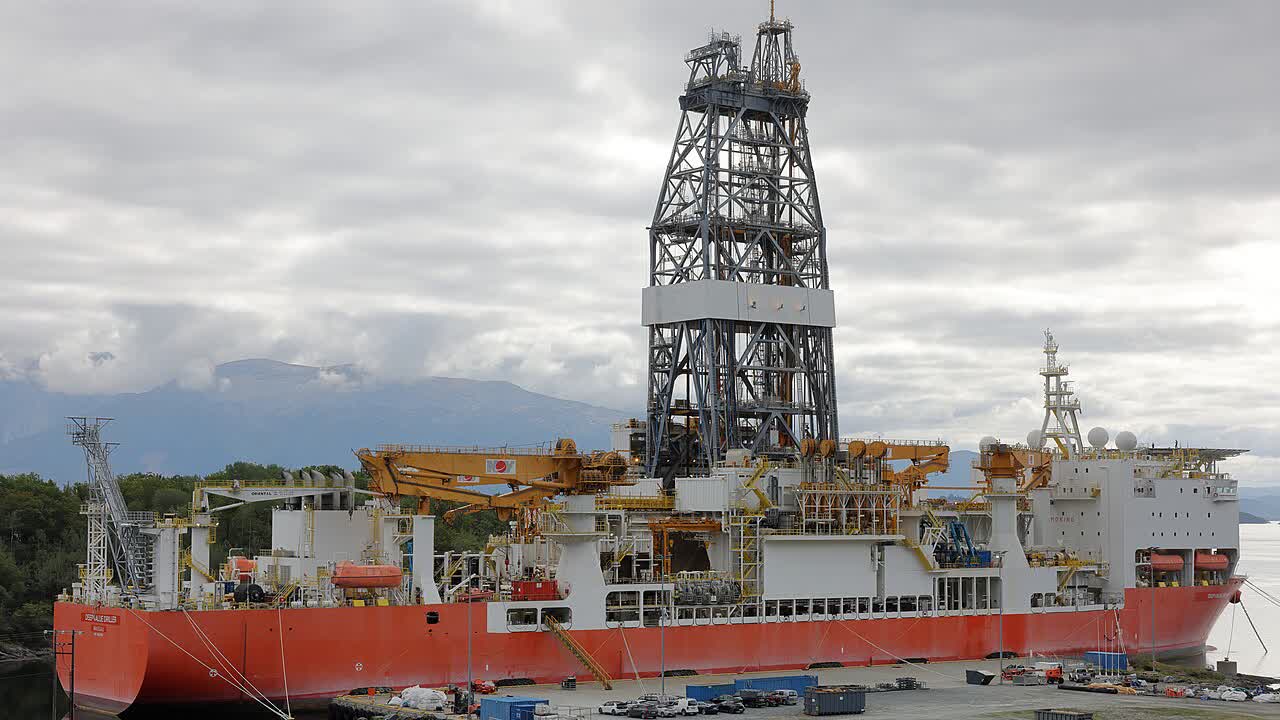
Turkey Deploys Çağrı Bey Drilling Ship to Explore New Oil Frontier Off Somalia’s Coast
-
Golden Pass LNG Ships First Liquefied Gas Cargo from the U.S., Completing $10 Billion QatarEnergy and ExxonMobil Investment

Recent explosions forced a halt to the maritime transport of military supplies in a key producing region. This temporary disruption may affect the earnings season of energy companies, especially those operated by its subsidiary. However, analysts believe that the impact of geopolitical tensions on oil prices will be temporary, and prices should stabilize once the situation is resolved.
Meanwhile, investors are keeping an eye on discussions about the future of oil, with speculation about potential supply reductions amid geopolitical tensions. Uncertainty surrounding oil prices has led traders to seek information on stock levels and the production policies of OPEC and other major oil producers.
Despite recent turmoil, experts still hold optimistic views for long-term oil prices, considering global demand prospects and ongoing efforts to balance supply and demand. The oil market continues to be influenced by complex factors, but analysts are confident that oil prices will eventually stabilize, considering the fundamental role that oil plays in the global economy.