Portuguese
  Spanish


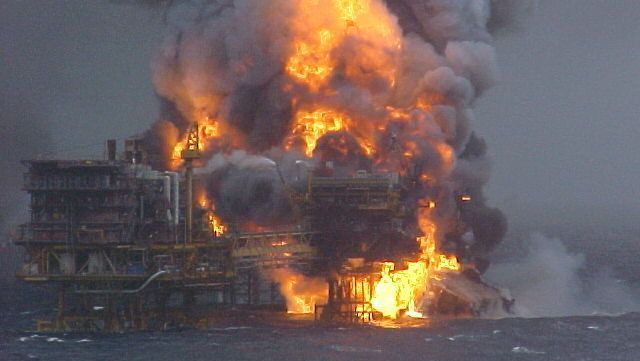

Ask someone in 2020 to name the worst offshore disaster in the world, and they will likely say the Deepwater Horizon accident, a semi-submersible drilling rig operated by BP that was in the Gulf of Mexico in 2010. But something far more devastating happened 32 years ago today.
- Petrobras’ Voluntary Dismissal Program Foresees a Return of R$ 18 Billion by 2025
- The Leader CCR Has Many Job Openings for the States of RJ, SP, MS, PR, and RS
- Petrobras Advances with the Sale Process at the Gas Carrier NTS
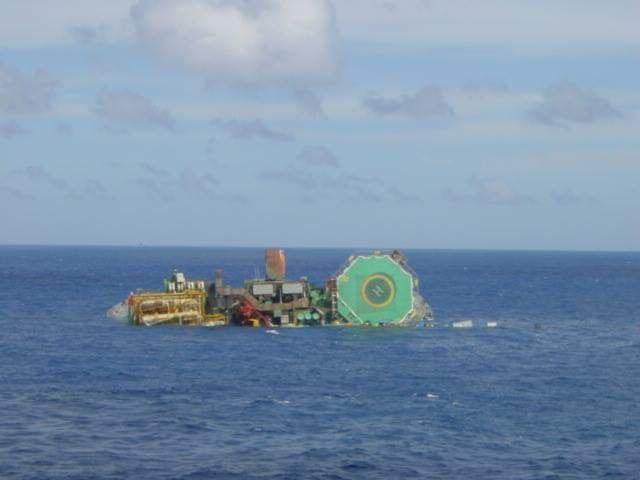
This simple sinking buoy located a few hundred meters from the Piper Bravo is all that remains of Piper Alpha. Flames controlled, it floated silently as a memorial to the 167 men who died that night, many of whose bodies are still buried in the tangled wreckage beneath the North Sea.
Most major disasters do not result from a “single big event”, they escalate along a chain of small ones — any of which has the potential to change or completely disrupt the outcome.
-
Mother acts quickly and saves 6 children from fire in studio apartment on the coast of SC before firefighters arrive

-
A 21-year-old woman was carried in the arms to the platform and launched from about 40 meters in a bungee jump in Limeira while a rope appeared coiled on the ground behind the group; witnesses were shouting something that no one around managed to stop in time.

-
Truck breaks down in the middle of the Sahara, leaving Nigerians without water on a remote route and turning the journey back home into a tragedy with nearly 50 dead

-
Unusual incident: a taxi driver stopped at a corner because of a red light and his car with CNG caught fire in Argentina


Just before 10 PM on July 6, 1988, a set of events conspired to create a situation that could only be described as Hell on Earth.
There was no turning back. The fire consumed more than half a ton of natural gas per second, equivalent to the entire domestic consumption of the United Kingdom, melting the 20,000-ton platform from the inside out.
Although no criminal charges were brought after the disaster, the UK’s offshore industry accepted all 106 recommendations put forward by the Cullen Inquiry. Recommendations that completely reshaped the sector and turned it into a widely copied model around the world. If those lessons were also learned/remembered in the USA and Brazil, perhaps the Deepwater Horizon could have had a different outcome …