






 Portuguese
  Spanish
  4 min of reading
  7 comments


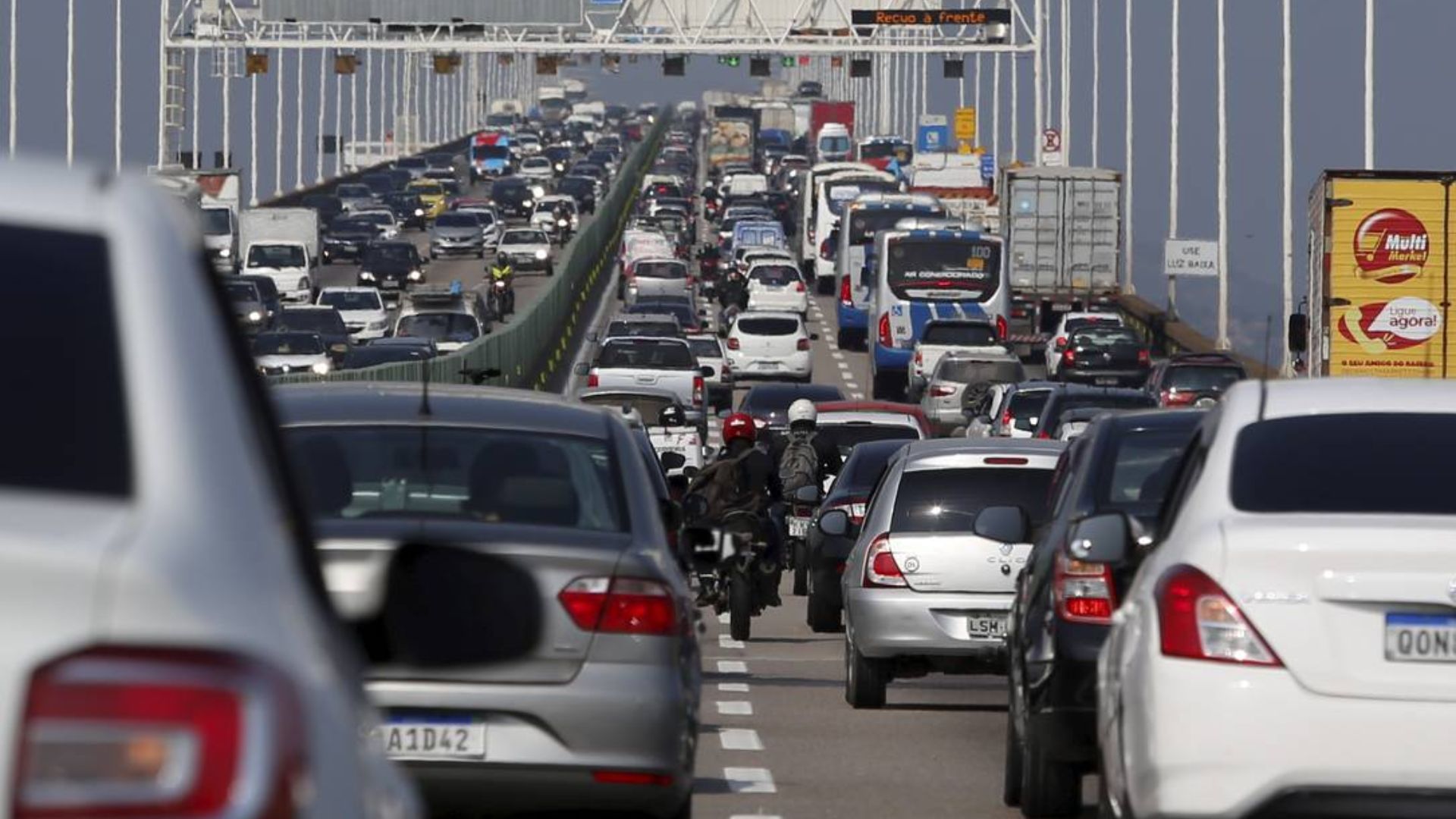


With 13.29 kilometers and heavy traffic, the Rio-Niterói Bridge combines engineering and technology by employing smart sensors and drones in inspections, standing out as one of the greatest landmarks of Brazilian infrastructure.
With 13.29 kilometers in length over the Guanabara Bay, the Rio-Niterói Bridge, officially President Costa e Silva Bridge, is one of Brazil’s main engineering works and plays a central role in the mobility of the Southeast.
Inaugurated in 1974, the connection between Rio de Janeiro and Niterói supports a daily flow of over 150,000 vehicles and, in recent years, has begun to incorporate smart sensors and drones into its monitoring routines, according to information from the operating concessionaire.
Engineering That Transformed the Crossing of Guanabara Bay
-
An entire sea disappeared from the map: the Aral Sea, formerly the fourth largest lake on the planet, lost more than 90% of its area in a few decades and left behind a toxic desert where fishing boats rust over 100 km from the water that once supported entire cities.

-
Mother of 4 children started as a salesperson and became the owner of 4 franchises: Pamela Oliveira took over the first unit, saw the revenue more than double, and turned a busy routine into proof that motherhood and business can grow together with organization.

-
Majestic castles of Slovakia reveal UNESCO heritage, the setting of Nosferatu, and medieval legends

-
Goodbye, iron gates: rain, sun, and moisture-resistant alternative combines low maintenance and modern look for facades


The project adopted a modular prefabrication system, considered innovative in the 1970s, which allowed for the assembly of large segments onto previously installed supports.
The use of high-strength steel was essential to withstand the heavy traffic and environmental conditions of the region.
According to engineers involved in the project, the precision of joints and the balanced distribution of loads ensured the durability of the structure.
Economic and Logistical Impact Between Rio and Niterói
The Rio-Niterói Bridge is seen by economists and urban planners as an important vector for integration between the economic hubs of Rio de Janeiro and Niterói.
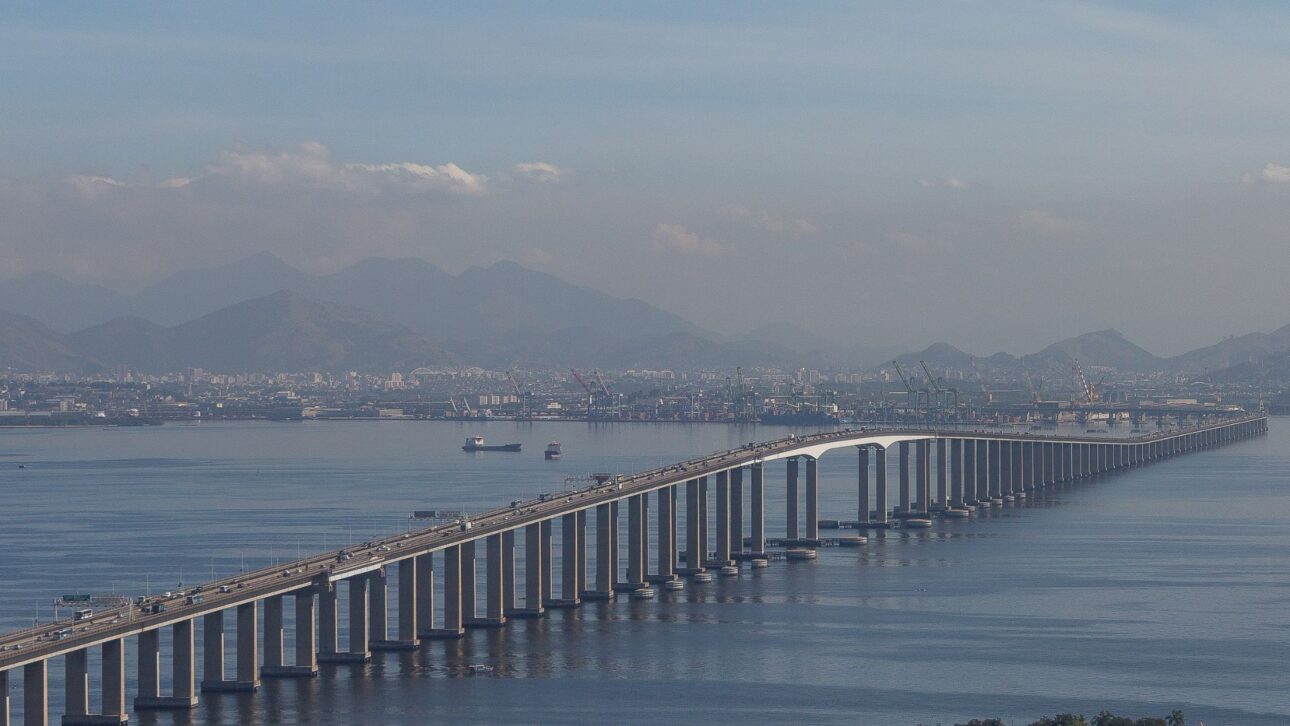
By reducing travel time, the connection boosted commercial and industrial activity in both cities.
Official surveys indicate that the bridge also benefits tourism and service provision, in addition to facilitating the transport of workers between the municipalities.
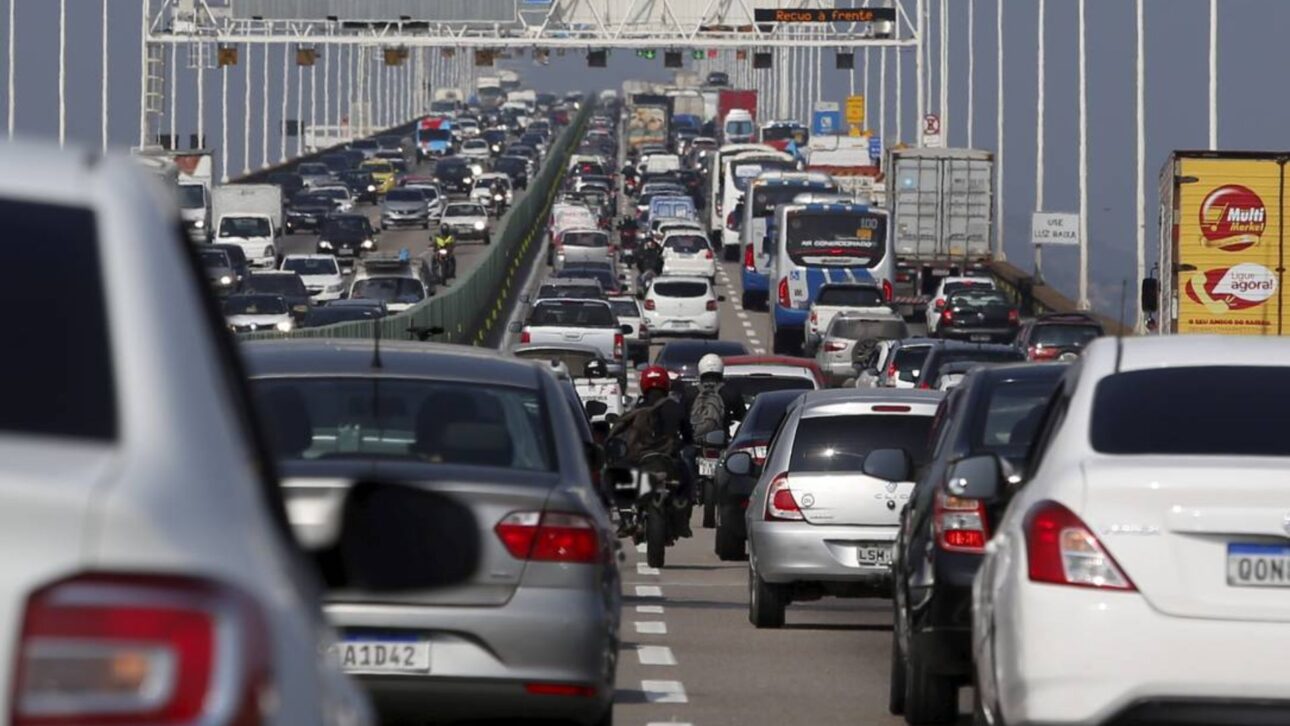
During major events, such as Carnival, the volume of traffic tends to increase significantly, reinforcing its logistical relevance.
Strategic Connections with Highways and Airports
The proximity to Santos Dumont and Galeão airports enhances the bridge’s importance in the metropolitan transportation network.
It connects to BR-101, facilitating access to other regions of the state and interstate routes.
According to mobility specialists, the structure plays a strategic role in the circulation of goods and the movement of passengers, integrating road and air modalities.
Innovation in Maintenance: Sensors and Drones
In recent years, the maintenance of the bridge has begun to incorporate structural sensors and aerial inspections by drones, according to the concessionaire Ecoponte.
The sensors monitor variations in temperature, vibrations, and deformations, allowing teams to detect anomalies before they cause greater damage.
The drones capture high-definition images of hard-to-reach sections, reducing the time and risk associated with manual inspections.
Infrastructure experts classify the predictive maintenance model as an important advance for safety and operational efficiency.
Monitoring and Structural Safety
The sensing systems collect real-time data on the behavior of the bridge.
According to technical information released by the operator, this constant monitoring helps identify possible wear and guides necessary interventions.
When any reading deviates from expected parameters, the images captured by the drones assist in analysis and decision-making.
The goal is to ensure preventive maintenance and preserve the structural integrity of the work.
Traffic and Toll Model
About 150,000 vehicles cross the bridge daily, according to official data.
The toll is charged only in the direction of Niterói, and the revenue is applied to maintenance, improvements, and monitoring.
The concessionaire reports that, on busier days, traffic management strategies and communication with drivers are implemented to minimize congestion and maintain vehicle flow.
Construction Techniques and Assembly Precision
During the construction, parts of the structure were produced on land and transported for assembly over the Guanabara Bay.
According to historical records, the process required rigorous planning and the use of large equipment to position the modules.
This methodology was considered a milestone for Brazilian engineering, particularly for the level of precision achieved in the joints and its performance over the following decades.
Tourism and Regional Displacement


The Rio-Niterói Bridge also plays a significant role in tourist mobility, connecting historic areas and beaches in Rio de Janeiro and Niterói.
According to data from municipal tourism departments, the ease of access has contributed to increased visitor flows and diversified leisure routes.
The direct connection between the two cities also favors the daily movement of residents in search of services, work, and cultural activities.
Sustainability and Modern Management
The use of monitoring technology has contributed to more efficient management of maintenance resources, according to industry experts.
The analysis of structural data allows for interventions to be targeted only at critical points, reducing costs and environmental impacts.
Furthermore, the use of drones decreases the exposure of teams to risky locations and avoids prolonged interruptions in roadway operation.
Technical Recognition and Urban Relevance
The Rio-Niterói Bridge is cited in academic studies and specialized engineering publications as an example of durability and technological adaptation.
Industry professionals highlight that the longevity of the structure results both from the original design and from the gradual incorporation of new technologies.
The constant monitoring of structural indicators, combined with automated inspections, has kept the bridge among the most monitored in South America.





Qual governo realizou a obra??
Se a ponte Rio-Niterói, com 13 kms, “impressiona o mundo” , imagina a ponte Vasco da Gama em Portugal com 17 kms.
Como diria um conhecido: mas que falta de viagem!
A matéria se refere nao só ao tamanho da ponte, mas sobre toda a engenharia envolvida na obra e a monitoração constante e preditiva ao longo de toda a estrutura.
Sobre a ponte la dos portuga, quantos anos tem? Qual o fluxo? E a manutenção?
Tamanho nao é documento , ralhos…….
A ponte Rio/Niterói tem 51 anos. A ponte Vasco da Gama em Portugal tem 27 anos, são 34 anos de diferença de tecnologia em engenharia de construção de pontes.
Correção: 24 anos.
Tudo muito legal mas essa obra deixou muito gente rica com superfaturamento. Só não entendo como as vans passam a mais de 120kh e não dão multadas e pq até hoje tem pedágio já o mesmo foi criado para se cobrado apenas financiamento da construção já que pagamos IPVA e tantos outros impostos.
O CRIME VIVE DO CRIME, o estado brasileiro É ASSIM!…