






 Portuguese
  Spanish
  2 min of reading
  0 comments


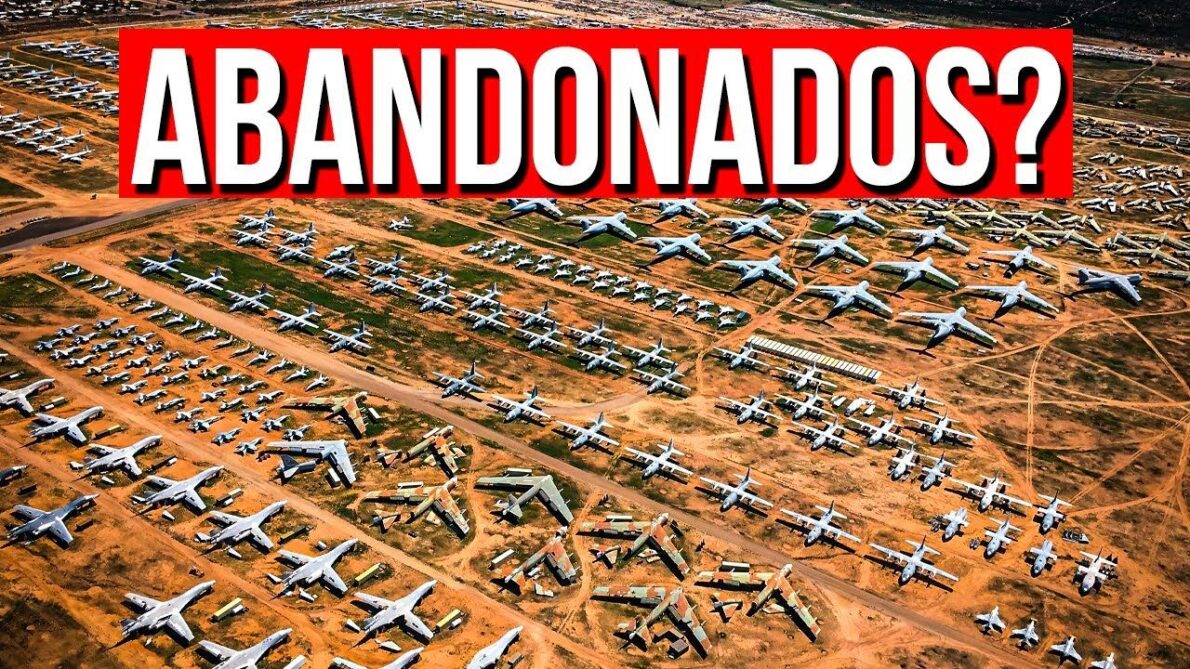
More Than 4,400 Military Aircraft, Valued at US$ 35 Billion, Are Parked in the Arizona Desert. Discover the Historical and Strategic Reasons Behind This Huge Aircraft Graveyard, Its Economic Importance, and the Fascinating Stories of These Abandoned Planes.
The Arizona desert is home to more than 4,400 abandoned military aircraft valued at US$ 35 billion. These planes include fighters, helicopters, and bombers that could form the second-largest air force in the world. But why are so many planes there? Understand the reasons behind this enormous abandoned fleet and what happens to these aircraft.
After World War II, the United States faced a problem: what to do with the 230,000 planes built during the conflict. The solution was found in the Sonora desert, near Tucson, Arizona. The region, with its low humidity, little rainfall, and hard soil, was perfect for storing planes with no need for paving and minimal corrosion.
Military Aircraft in Category 1000 Undergo Maintenance Every Four Years

Since 1946, the Davis-Monthan Air Force Base has been receiving aircraft for storage. The planes are classified into four categories:
-
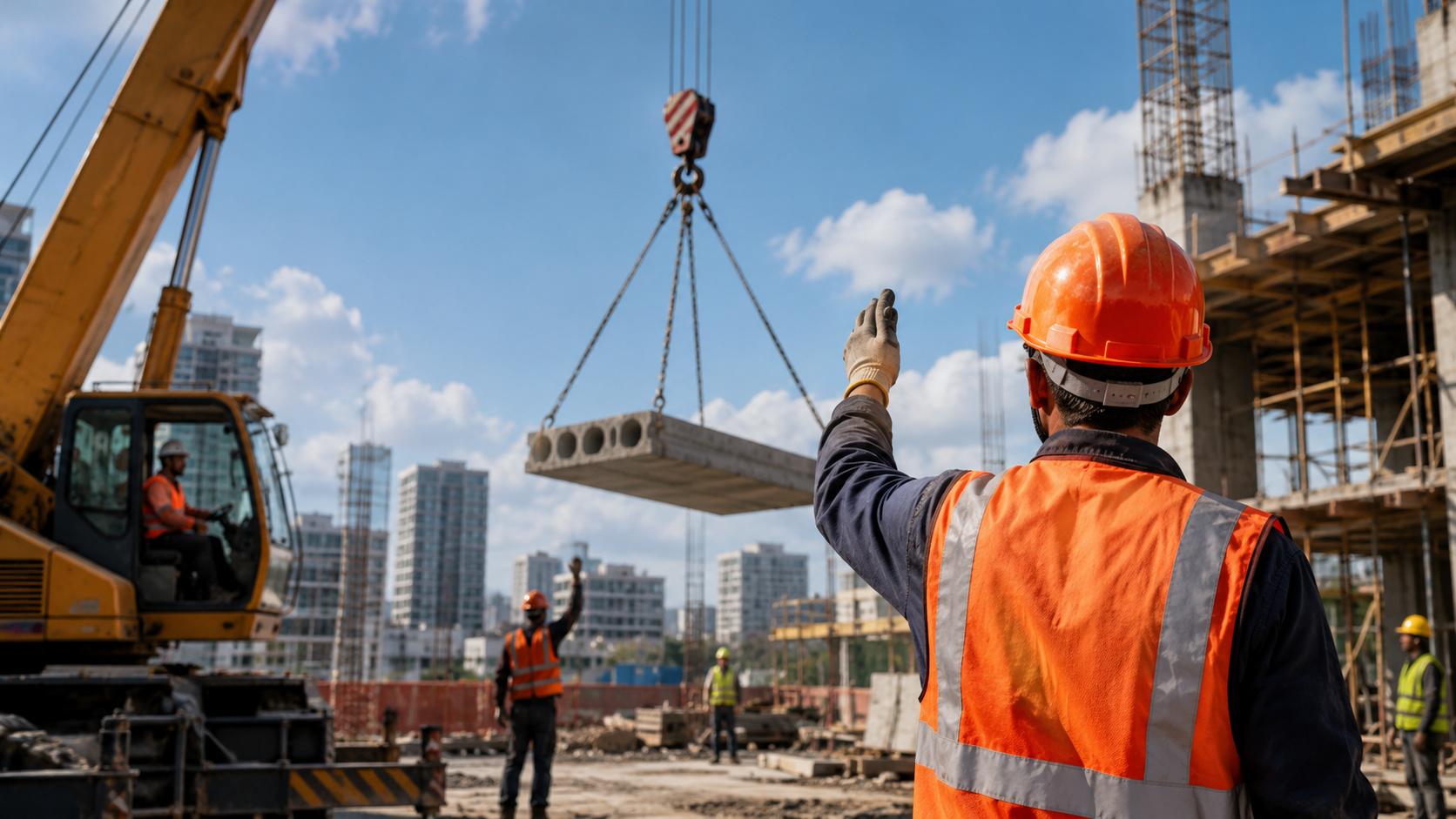
Why can the crane operator only obey the correct signalman on the construction site: among dozens of workers, a hand raised by the wrong person can confuse the maneuver and turn a load of tons into an immediate risk.

-
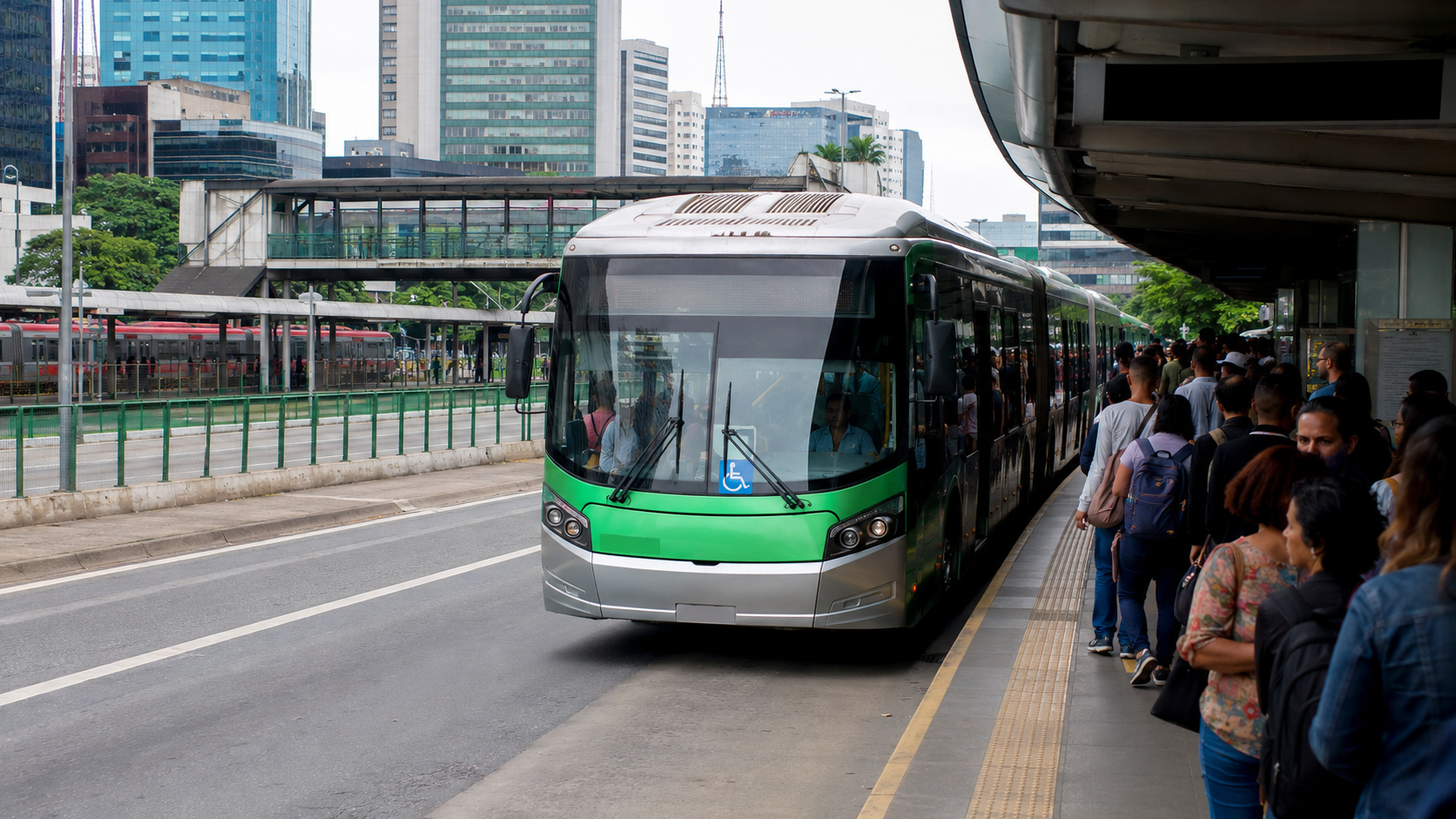
What changes with the new public transportation rules that can reduce pressure on fares and pave the way for zero fare in Brazil?
-
Offshore air transport soars in Brazil, surpasses 2.5 million passengers, and reveals how oil has transformed Rio’s airports into key pieces of national logistics.

-
Latin America becomes the “global champion” of aviation taxes, tickets may become more expensive in Brazil, and IATA’s warning exposes risk for flights, tourism, and passengers.


- Type 1000: long-term storage. These planes can quickly return to flight if necessary.
- Type 2000: storage for parts removal. These planes will not fly again but provide parts for other aircraft.
- Type 3000: short-term storage. These planes await a new destination and may be sold to other countries.
- Type 4000: destruction. Planes that will be dismantled and recycled.
The storage process involves removing armaments, washing to eliminate corrosive substances, and applying a sealing paint to protect the aircraft from the desert climate. Military aircraft in Category 1000 undergo maintenance every four years to ensure they can fly again if needed.
There Are Some Historic Aircraft, Like the B-29 Enola Gay Bomber
Among the stored military aircraft, there are some historic planes, such as the B-29 Enola Gay bomber, the first to drop an atomic bomb. There are also famous models like the Grumman F-14 Tomcat fighters, known from the movie “Top Gun.”
In addition to serving as a graveyard for planes, the site also has financial importance. About 600 workers recover parts worth up to US$ 350 million a year, helping to save on purchasing new parts.
The Arizona desert houses an impressive graveyard of military aircraft, with more than 4,400 aircraft. This site not only preserves the history of military aviation but also plays a crucial role in the economy and military readiness of the United States. With rising global tensions, many of these planes may be reactivated, demonstrating the strategic importance of this vast depot in the desert.




Be the first to react!