Portuguese
  Spanish


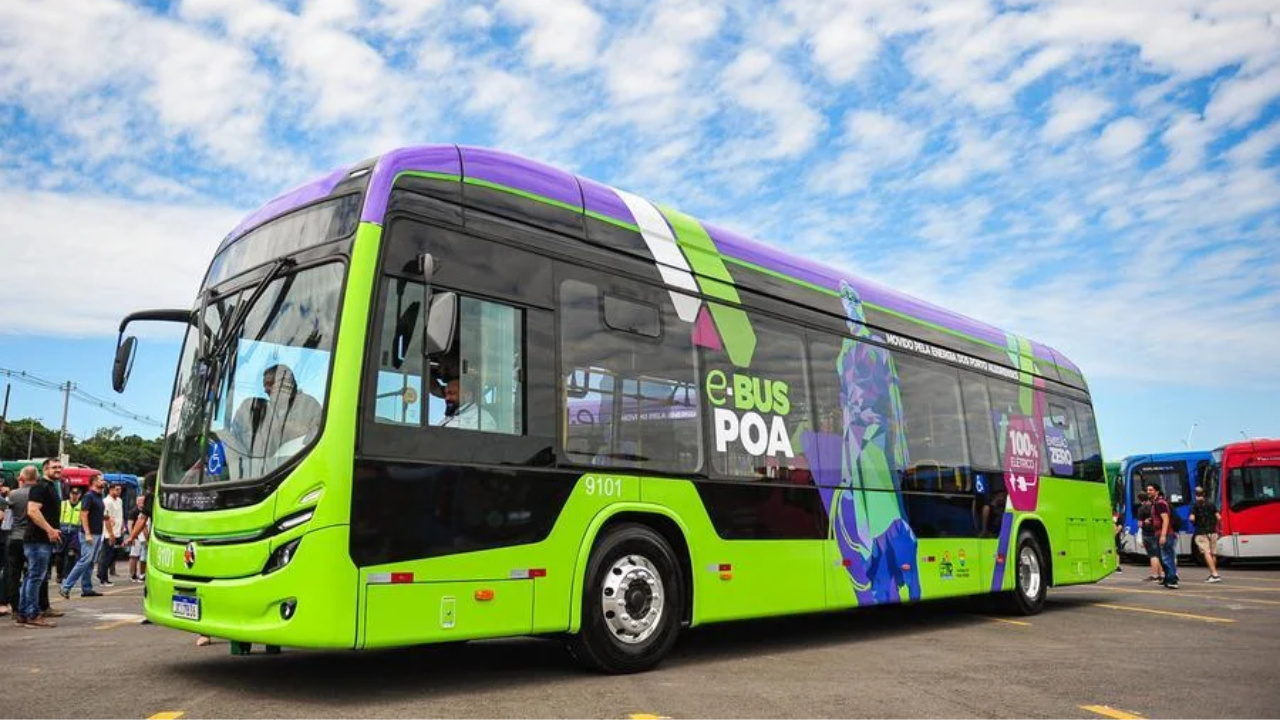

Porto Alegre Saved About R$ 1 Million on Fuel with Electric Buses in Just One Year. The Initiative Also Reduced Emissions and Modernized Public Transport.
The city of Porto Alegre recorded a significant saving of approximately R$ 1 million on fuel by adopting electric buses on three public transport lines. The report, released by the city hall and reported by Canal VE on Tuesday, September 9, shows that the 12 battery-powered vehicles brought financial and environmental gains between August 2024 and August 2025.
During this period, the electric buses traveled 656,982 kilometers on 71,819 trips, transporting over 1.2 million passengers.
In addition to relieving public finances, the replacement of diesel avoided the emission of 874 tons of polluting gases. The result is equivalent to burning 263 thousand liters of fossil fuel.
-
Chinese Giant Invests $1.3 Billion in Brazil to Produce 50,000 Cars Annually, Create Jobs, Develop Local Suppliers, and Manufacture Electric, Hybrid, and Combustion Models by 2027

-
Unprecedented achievement in India: a colossal 650-ton, nearly 3,000 hp excavator is transformed into 100% electric, marking a new phase in heavy mining.
-
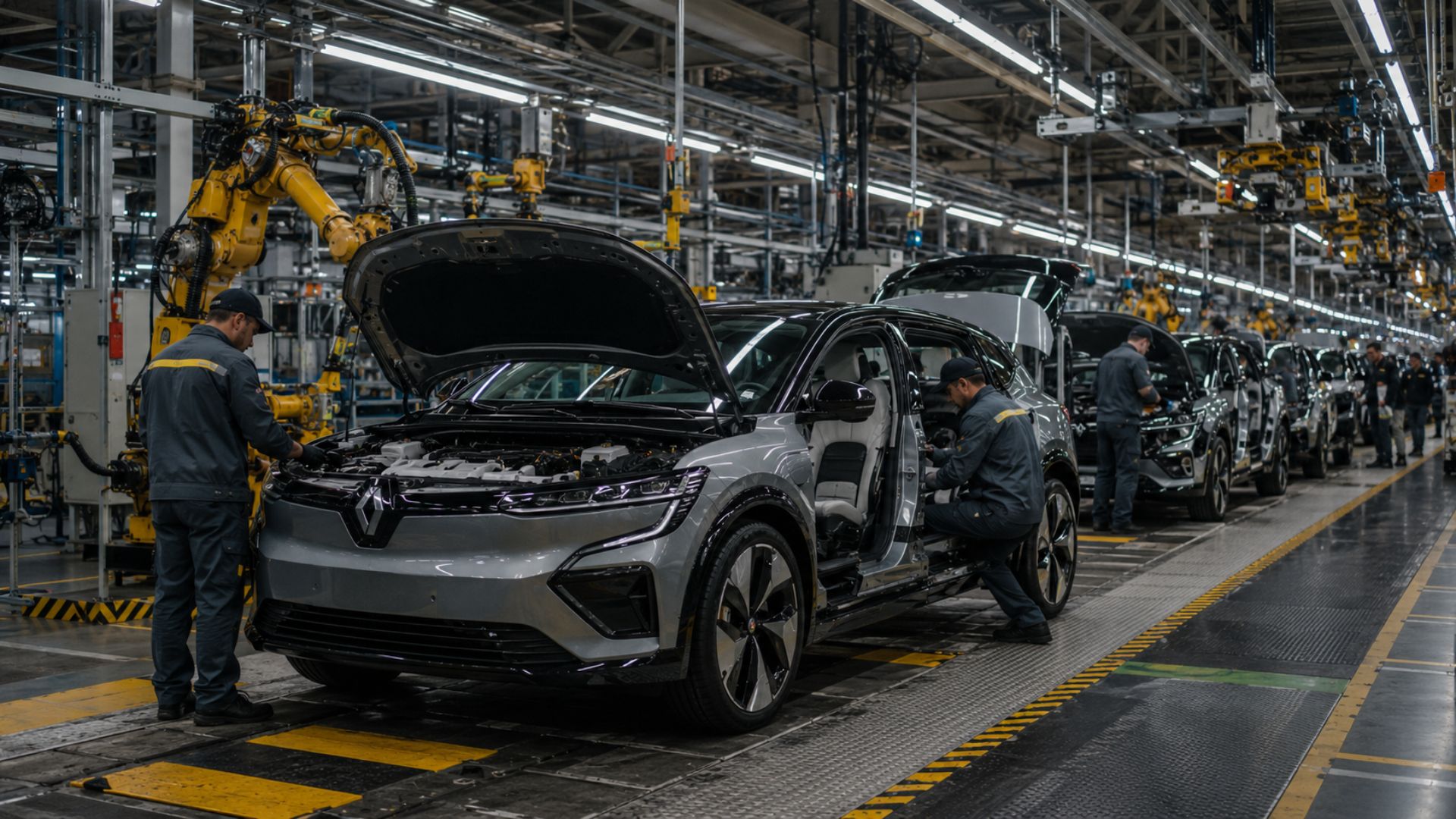
Frightened by the speed of Chinese manufacturers, Renault decided to mimic the pace, made the new electric Twingo in just 21 months, wants to repeat the feat with 36 models by 2030, and along the way, will cut up to 2,400 engineering positions.

-
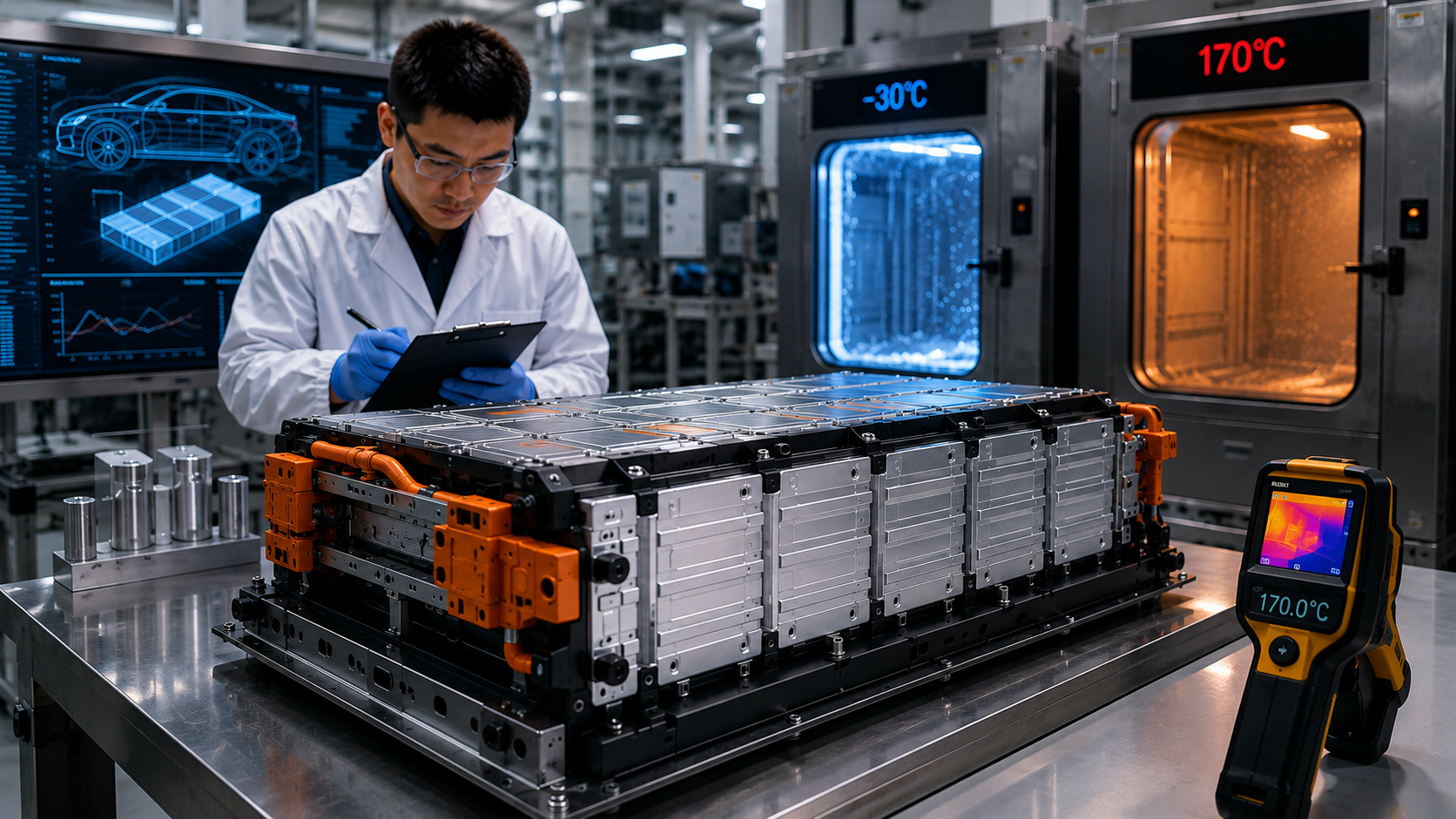
Chinese battery from Dongfeng promises to exceed 1,000 km without relying on liquid electrolyte, and the detail behind the technology could change the electric car competition.

How Electric Buses Work and Charging
To ensure daily operation, Porto Alegre has three fast charging units. In the analyzed period, 811,520 kWh of electricity were consumed, with an average of 1.25 kWh per kilometer traveled.
This infrastructure has proven to be efficient and sustainable. The refueling is quick, ensures sufficient autonomy for urban routes, and eliminates dependence on fossil fuels, which have historically been more expensive and polluting.
The results indicate that electric buses have lower operational costs compared to diesel-powered vehicles. This is because electric motors require less maintenance, have fewer moving parts, and exhibit greater energy efficiency.
In practice, this combination creates a longer lifespan for the vehicles and a positive economic return in the medium and long term. Furthermore, by reducing the emission of harmful gases, the initiative improves air quality and the health of the urban population.
Modern and Sustainable Public Transport
The Secretary of Urban Mobility of Porto Alegre, Adão de Castro Júnior, emphasized the importance of transitioning to cleaner fleets. “The electrification of public transport is essential to reduce pollution and make the system more modern, sustainable, and efficient, with the passenger being the biggest beneficiary. With operations about 65% cheaper than diesel, we will continue investing in urban collective electromobility and bring more electric buses to Porto Alegre,” he stated.
In addition to economic and environmental benefits, electric buses offer advantages for passengers: they are quieter, have free Wi-Fi, allow mobile phone charging during the trip, and provide a more comfortable ride. These features make public transport more attractive and competitive compared to private cars.
The experience of the capital of Rio Grande do Sul shows that it is possible to combine economy, sustainability, and service quality in public transport. The investment in electric buses reinforces the global trend of decarbonization of cities and positions Porto Alegre as an example of innovation in Brazil.