Portuguese
  Spanish


Portonave Announced an Investment of R$ 1.5 Billion by 2026 to Modernize Terminal in SC. Terminal Will Receive 400-Meter Vessels and Calls for Improvements on Highways Such as BR-101 and BR-470.
Portonave, a terminal of containers located in Navegantes (SC), announced a robust investment of approximately R$ 1.5 billion by 2026. The funding will be allocated to the expansion of the dock and the acquisition of new equipment, allowing the reception of vessels up to 400 meters long — a milestone for the national port sector and essential for maintaining competitiveness against the growth of global maritime transport.
Expansion Necessary for the New Generation of Vessels
With the global trend of ever-larger container ships, Portonave’s investment is considered strategic for adapting to the new international logistics reality.
“Adapting to receive larger vessels is an inevitable investment,” highlighted Osmari de Castilho Ribas, the administrative superintendent of Portonave.
-
Nuclear Submarine USS Alexandria Retired After 35 Years, Having Completed Over 1 Million Miles in Missions

-
MODEC Introduces New Hull Design for FPSO Gato do Mato to Produce Up to 120,000 Barrels of Oil Per Day in Brazil’s Pre-Salt Region
-
This Massive 12-Meter, 21-Ton Underwater Drone Can Operate Autonomously for Up to Five Days

-
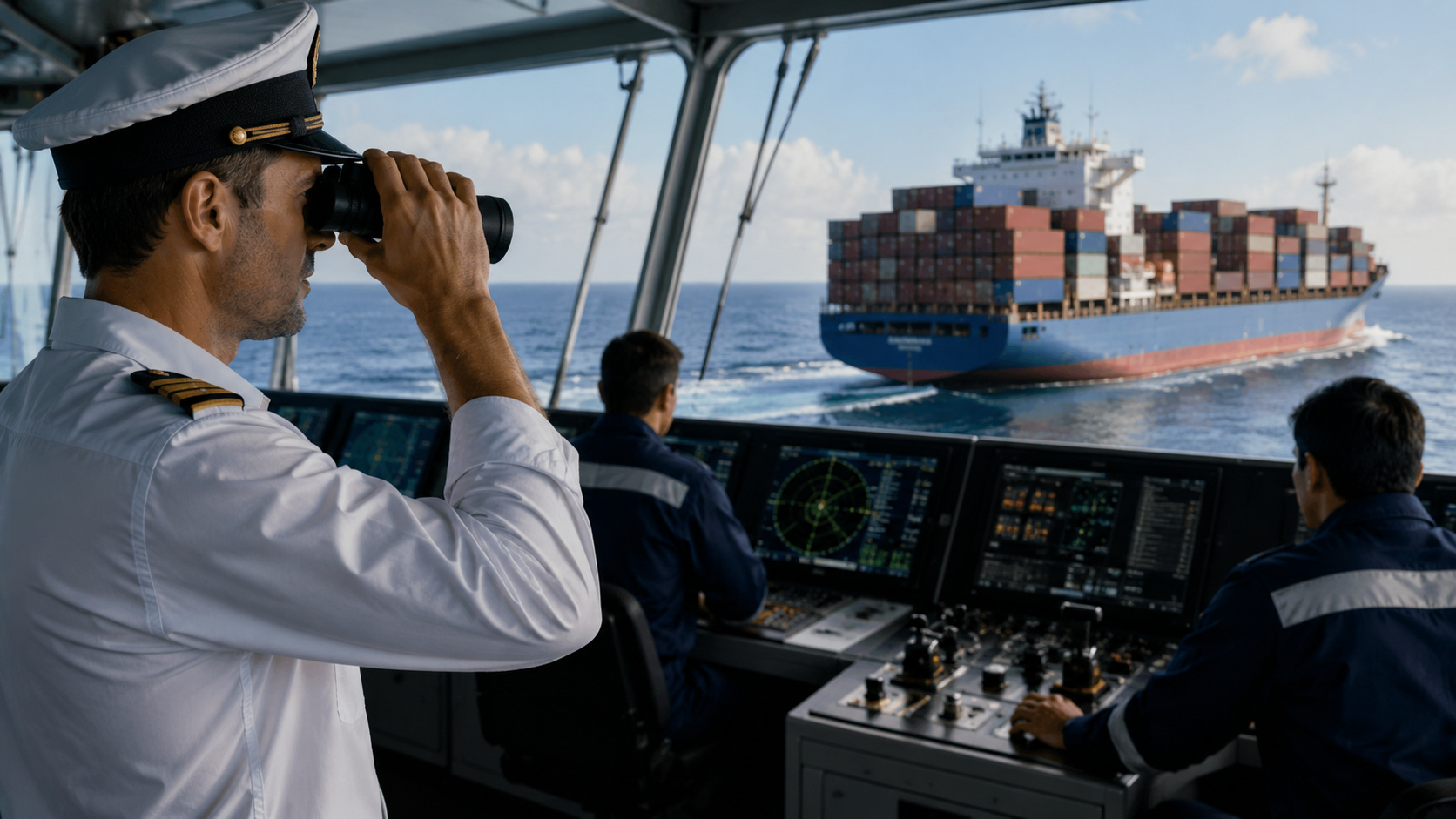
Global Shipping Faces Shortage of Certified Maritime Officers, Salaries in the U.S. Can Exceed $100,000 Annually


The company, which is already among the leaders in the sector, emphasizes that modernizing the terminal is only part of the equation. According to Ribas, port efficiency also relies on the conditions of federal highways, especially BR-101 and BR-470, which face saturation issues.
“Our saturated highways bring problems. They do not prevent our growth, but increase the cost and risk. There is a risk of reduced cargo volume in Santa Catarina if we do not upgrade the access infrastructure,” he warns.
Portonave Maintains Leadership Even with Ongoing Works
Despite the operational limitations caused by expansion works on half of the dock, Portonave recorded in 2024 a movement of 1.2 million TEUs (twenty-foot equivalent units), with only a 5% reduction compared to the previous year.
This performance places the terminal among the three largest in Brazil in the segment of long-haul full containers, with a 12% national market share.
In Santa Catarina, the highlight is even greater: Portonave leads with a 48% state market share in this segment.
History and Global Operation of Portonave
Since its inauguration in October 2007, Portonave has established itself as the first private container port terminal in Brazil, operating from the northern coast of Santa Catarina.
Today, it is part of the Swiss group Terminal Investment Limited (TiL), which manages about 70 terminals across five continents.
The company maintains a trajectory of constant evolution, focusing on professional qualification and investments in infrastructure as pillars to ensure operational excellence and international competitiveness.
With the new billion-dollar investment, Portonave is preparing for a new phase in its journey, focusing on technology, sustainability, and logistical connectivity.
Expectations are that, with the implemented improvements, the terminal will be even more aligned with the demands of the global market and contribute to the economic development of Santa Catarina and Brazil.