Portuguese
  Spanish


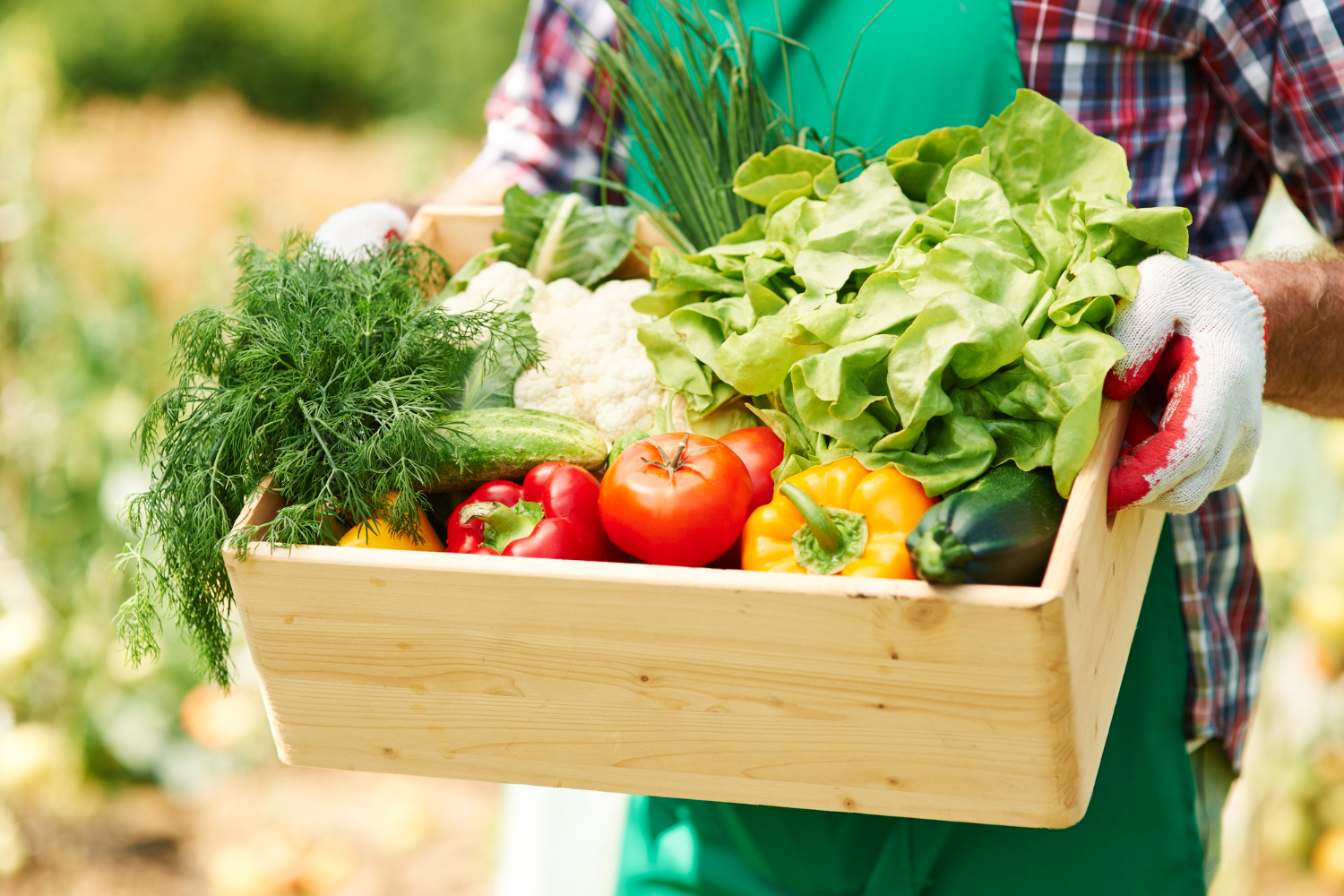

Even With Some Pointed Increases, The Price Of Vegetables Fell In September, Influenced By Strong Supply, Regional Variations And Data From Conab’s Bulletin On Wholesale Markets
The price of vegetables experienced a significant decrease in September in the main wholesale markets in Brazil, according to Conab’s 10th 2025 Horticultural Bulletin (National Supply Company), according to a news article published.
Products such as lettuce, onion, potato, carrot, and tomato saw a significant reduction compared to August, reflecting good supply and favorable weather conditions.
Lettuce led the losses, with a decrease of 16.01%, while onion fell by 14.8%, consolidating the trend that began in June.
-
Brazilian Cheesemaker Wins European Award for Ant-Infused Cheese with Nutty Flavor Inspired by Indigenous Tradition

-
Brazilian Family’s Cheese, Started with One Cow in 1984, Named Best in the World, Beating 2,700 Competitors from 30 Countries

-
Brazilian Ranchers Use Satellites to Optimize Pasture Management and Prevent Feed Loss in Cattle Farms
-
Russia Follows China in Recognizing Brazil as Free from Foot-and-Mouth Disease Without Vaccination, Boosting Meat Exports and Agribusiness Potential




Potato registered a decrease of 10.4% and carrot dropped 4.71%, due to lower production in Minas Gerais. Tomato, on the other hand, exhibited mixed behavior, with appreciation in Goiânia and decline in Vitória, resulting in a weighted average of -5.76%.
The analysis covers Ceasas in São Paulo, Campinas, Belo Horizonte, Rio de Janeiro, Vitória, Curitiba, São José, Goiânia, Recife, Fortaleza, and Rio Branco, responsible for a large part of the commercialization of horticultural products.
Supply Of Vegetables In Ceasas Keeps The Price Of Vegetables Falling
The good supply was critical for maintaining the downward trend. Lettuce, for example, suffered a retraction of 16.01% in the weighted average due to high availability in the warehouses.
Onion fell by 14.8%, with declines recorded in all Ceasas, while potato consolidated four consecutive months of lower prices, declining 10.4%.
In the case of tomato, the drop in the weighted average of 5.76% occurred despite regional variations: Vitória registered a devaluation of 37.88% and Goiânia an appreciation of 46.91%.
For carrot, the reduction of 4.71% reflects lower production in Minas Gerais, which generated increased demand from other states.
These data evidenced that the supply of vegetables in Ceasas directly influences market behavior.
Conab Horticultural Bulletin Highlights Price Variation In Wholesale Markets
The Conab bulletin details that, despite the abundance of products, some regional variations impacted the market.
While most Ceasas recorded declines, certain products showed point increases: Goiânia appreciated tomato by 46.91% and banana saw an increase of 6.56%.
Watermelon fell 10.29%, even with increased demand, and papaya rose 12.72%, reflecting limited supply for part of the month.
These data confirm that analyzing price variation in wholesale markets is essential to understanding the movements of the price of vegetables in Brazil.
Brazilian Exports Of Fruits And Vegetables Strengthen The Domestic Market
Between January And September 2025, Brazilian exports of horticultural products totaled 853,200 tons, a 28% increase compared to the same period in 2024, with revenue of US$ 994.42 million (FOB), a rise of 15%.
Even with tariffs from the United States on some products, sales remained strong, especially for mango and grapes.
This scenario demonstrates that, in addition to domestic supply, participation in exports influences the price of vegetables and the dynamics of the wholesale market.
Sustainability was also highlighted in the bulletin, with attention to solid waste management in Ceasas, supporting practices of regenerative agriculture and food security.
The complete survey of Ceasas in São Paulo, Campinas, Belo Horizonte, Rio de Janeiro, Vitória, Curitiba, São José, Goiânia, Recife, Fortaleza, and Rio Branco confirms that the price of vegetables is accessible to consumers on the Conab Portal, reflecting both good supply and the capacity for adjustment within the national horticultural sector.