Portuguese
  Spanish


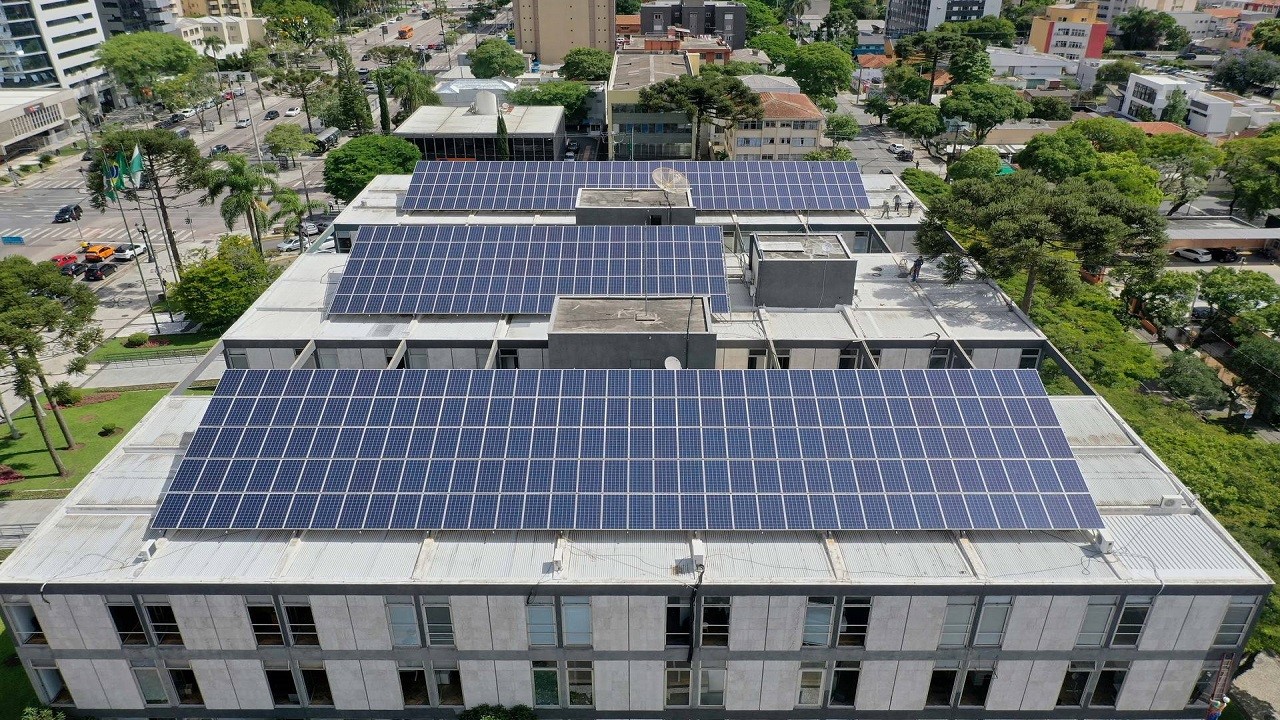

In Expectation of Reducing Thousands of Tons of CO2, Municipalities in SP and PR Are Studying the Use of Solar Energy, Wind Energy, Small Hydroelectric Plants, and Biomass to Power Public Buildings.
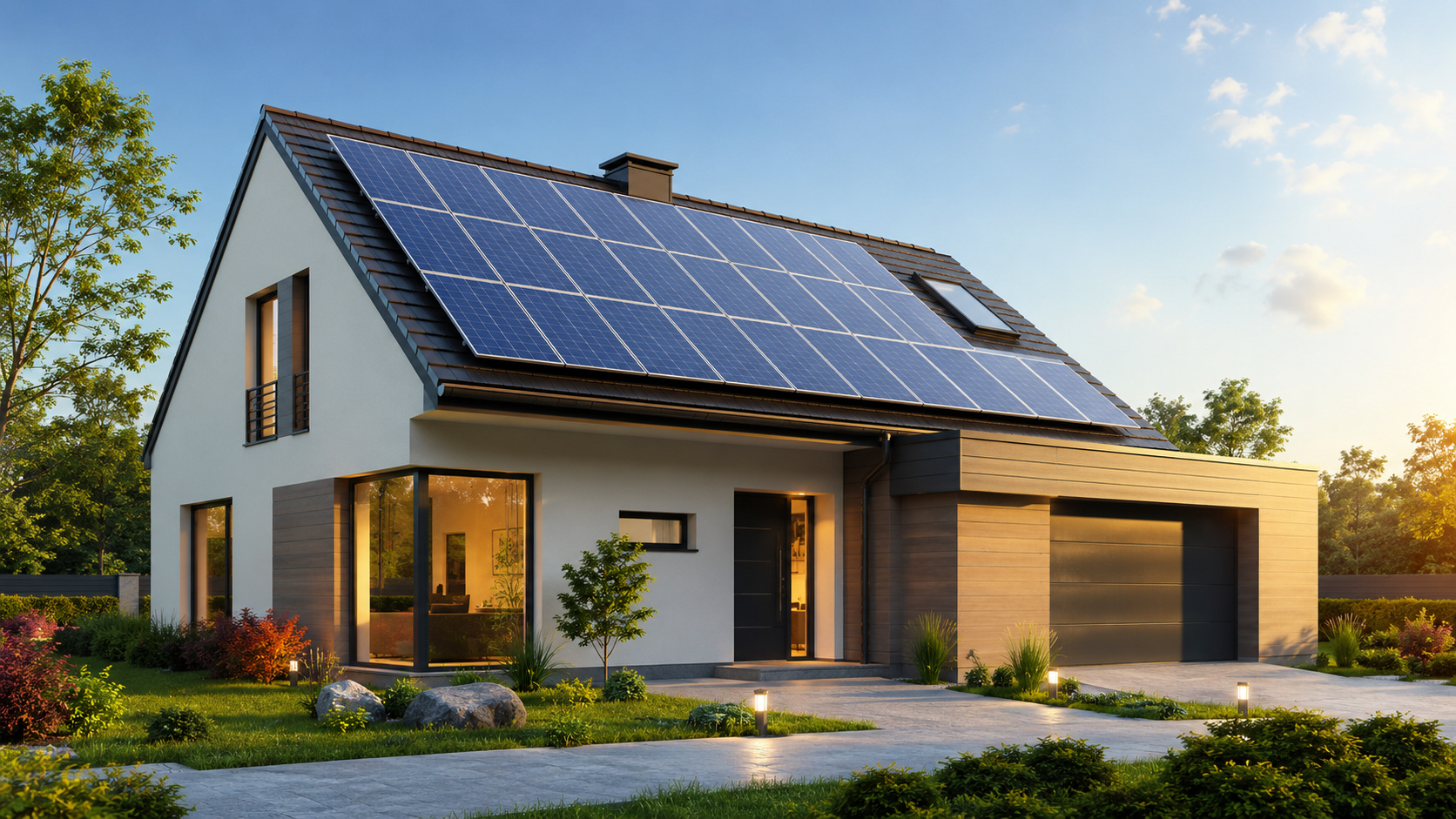
The municipality of São José dos Campos (SP) has announced a public bidding for the acquisition of sustainable green energy to supply the public buildings of the city. Sources such as solar energy, wind energy, biomass, and even hydroelectric plants will be utilized. Meanwhile, in PR, the Federal University of Paraná Foundation (FUNPAR) aims to equip and modernize schools and educational buildings with photovoltaic panels and replace all light bulbs, abandoning the use of the most economical ones on the market.
Read Also:
Acquired Energy Has the Capacity to Supply 30 Buildings in SP.
The first bid provides for the purchase of green energy in the regulated market and includes the execution of works and engineering services for the adjustment of the billing measurement system.
The bid establishes that the generated energy must come from clean sources, such as solar energy, wind energy, small hydroelectric plants, and biomass. The energy acquired by the municipality of SP will have the capacity to supply 30 public buildings, such as:
-
Brazil to Hold First Auction for Batteries to Store Solar and Wind Energy from the Northeast

-
Solar energy reaches 55 GW, becoming the second largest power source in Brazil’s energy mix

-
Brazilian scientists are simultaneously advancing two research projects on clean hydrogen and driving solutions that could transform the energy matrix, enhance industrial competitiveness, and accelerate large-scale emission reduction targets.
-
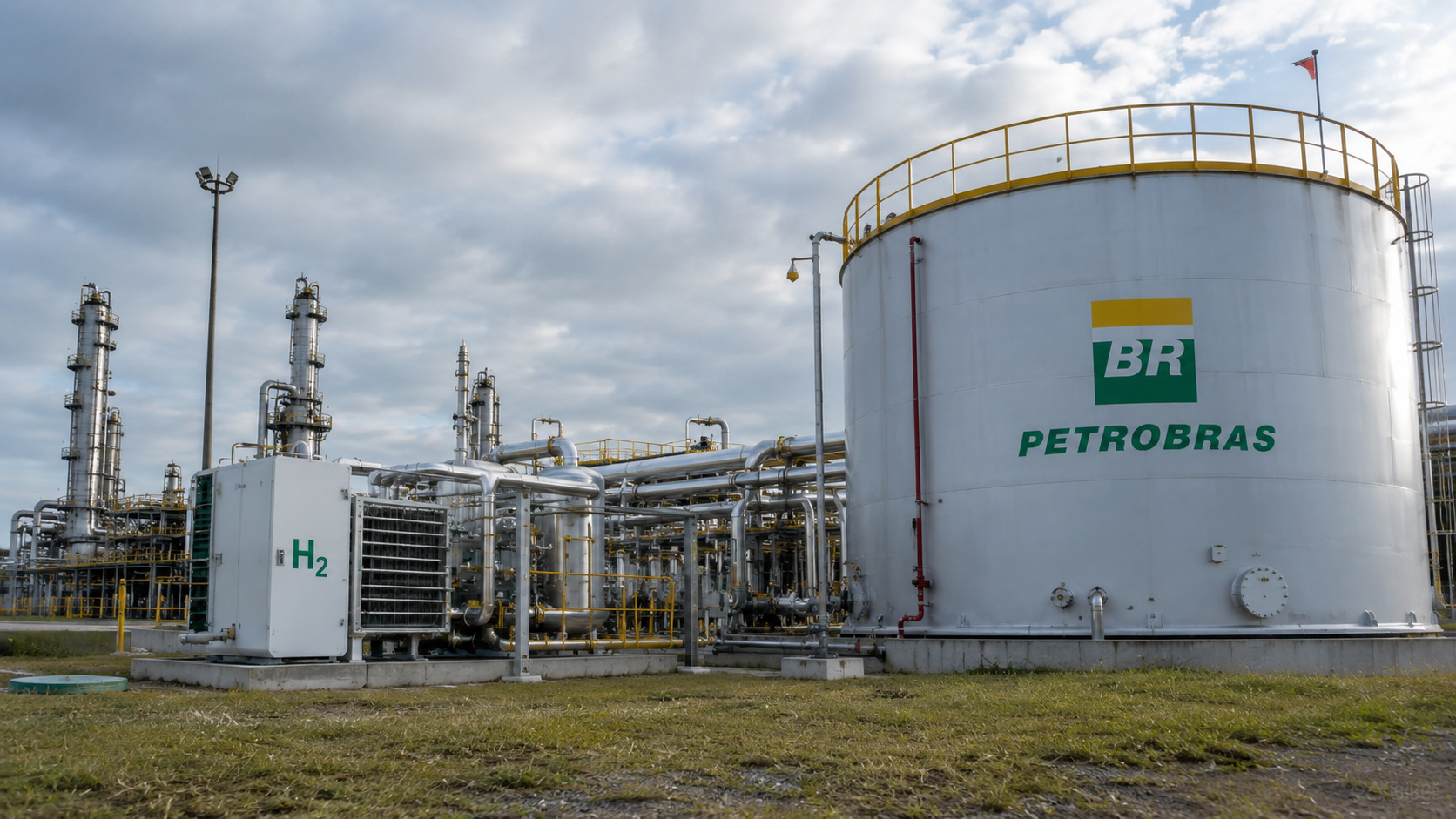
Advancement in renewable energy: A R$ 150 million project launched by Petrobras and Finep aims to create state-of-the-art electrolyzers for green hydrogen, strengthening national research and preparing Brazil to compete in a billion-dollar energy market.

- City Hall
- Municipal Hospital
- Technological Park
- Department of Education
- Department of Health
- Sul Clinical Hospital
- Senior Citizens’ Homes
- Youth Center and the UPAs in Putim
- Alto da Ponte
- Campo dos Alemães
It is worth noting that in addition to promoting the use of renewable sources like solar energy, wind energy, small hydroelectric plants, and biomass, the municipality in SP projects to save up to R$ 2 million annually compared to current costs with conventional electricity. The bid also provides for the acquisition of clean energy at a maximum price of R$ 207.33 MWh. The maximum total cost will be R$ 12.4 million for a contract valid for 5 years.
FUNPAR Plans to Modernize Public Buildings with Renewable Energy in PR.
“Initially, we will focus on capturing energy in public buildings, benefiting public lighting, which would generate significant savings for the municipality. Hopefully, in the future, we can extend this service to the entire city, but that is not part of this implementation phase,” he concluded.
The main idea disseminated by the mayor of the area, Celso Góes, and the director of Programs at Funpar, includes analysis and pursuit of energy efficiency; therefore, the installations of each light bulb, outlet, or air conditioner must be reviewed.
Municipality of SP Pays R$ 0.65 per kWh.
According to the bid, the municipality paid an average of R$ 0.65 per kWh in 2019 to supply public buildings. With the transition to the free energy market, utilizing solar energy, wind energy, small hydroelectric plants, and biomass, the projection estimates a reduction of at least R$ 0.22 per kWh, resulting in savings of approximately R$ 2 million per year.
The Consortium Sol da Saúde, the winner of the bidding for the installation of solar panels in the health sector, was published in the Official Gazette of the Municipality (21/08). A concession contract for 25 years will be signed for R$ 171.4 thousand.
The proposal from Sol da Saúde represented a savings of nearly 40% compared to the initial estimate, according to the municipality of São Paulo. The solar panels will be installed in 80 UBSs, potentially reaching an additional 92 units through remote self-consumption, totaling 172 units.
The plan is to supply schools and serve as an incentive for education on environmental preservation and the conservation of natural resources, in addition to avoiding the emission of 160 thousand tons of CO2 into the atmosphere over these 25 years. The municipality of São Paulo also expects an environmental gain by preventing 24 thousand tons of greenhouse gases from being emitted, equivalent to the emissions of 15 thousand cars.