Portuguese
  Spanish


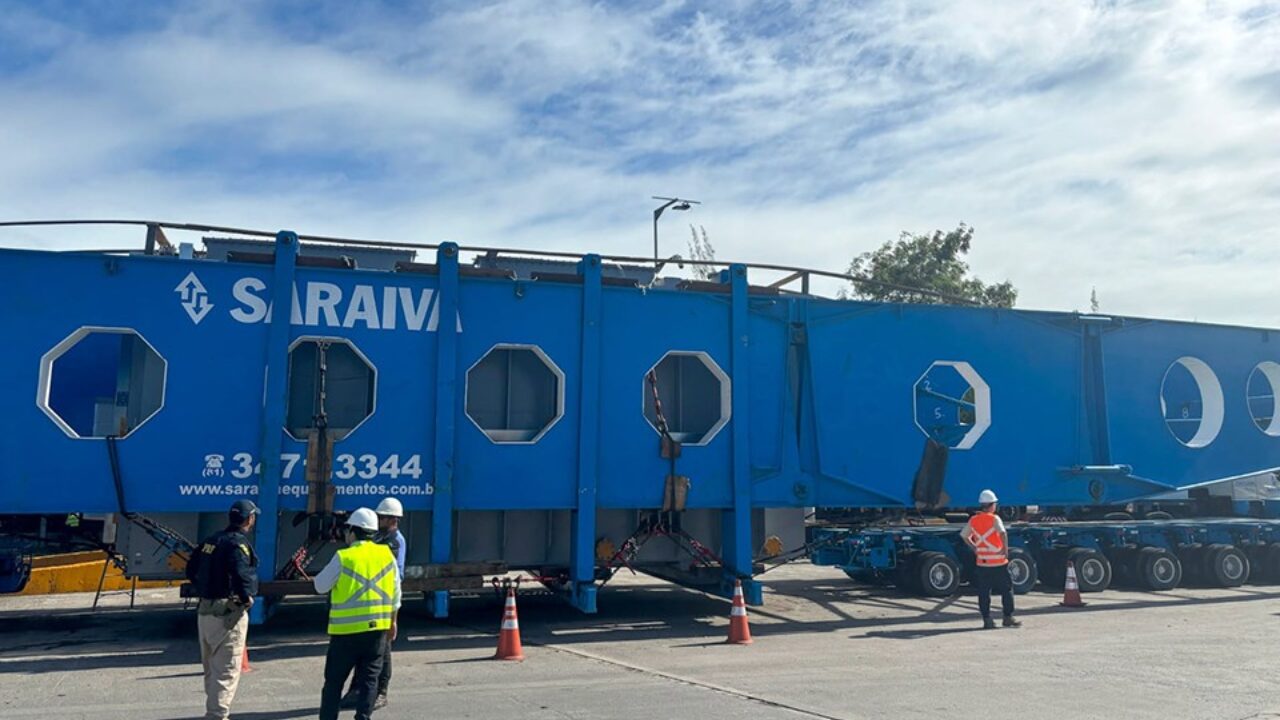


The Escort Operation Of The Second Wind Power Transformer, Coordinated By The PRF, Will Be A Complex Task. Drivers Must Be Prepared For Changes In Traffic To Ensure Safety And Fluidity Of Traffic During These Days.
Next Thursday (1st), the Federal Highway Police (PRF) will begin escorting the second giant wind power transformer that will be transported along BR-101, in the Metropolitan Region of Recife. The operation will take place on May 1st, 2nd, and 5th, divided into three stages, with the aim of ensuring safety and fluidity of traffic during the movement of the equipment, which weighs 250 tons and has impressive dimensions.
The final destination of the cargo is a wind farm between the cities of Nova Palmeira and Campina Grande, in Paraíba.
The Challenge Of Transporting A Giant Transformer
The second wind power transformer to be escorted is identical to the first, weighing 250 tons and measuring 11.24 meters in length, 4.20 meters in width, and 4.59 meters in height.
-
Brazil filled the Northeast with wind turbines but now faces the side effect of 705 giant blades reaching the end of their lifespan by 2032 just in Rio Grande do Norte, while the world projects 43 million tons of waste by 2050.

-
Brazil has filled the Northeast with wind turbines, but now it faces the side effect of 705 giant blades reaching the end of their useful life by 2032 just in Rio Grande do Norte, while the world projects 43 million tons of waste by 2050.
-
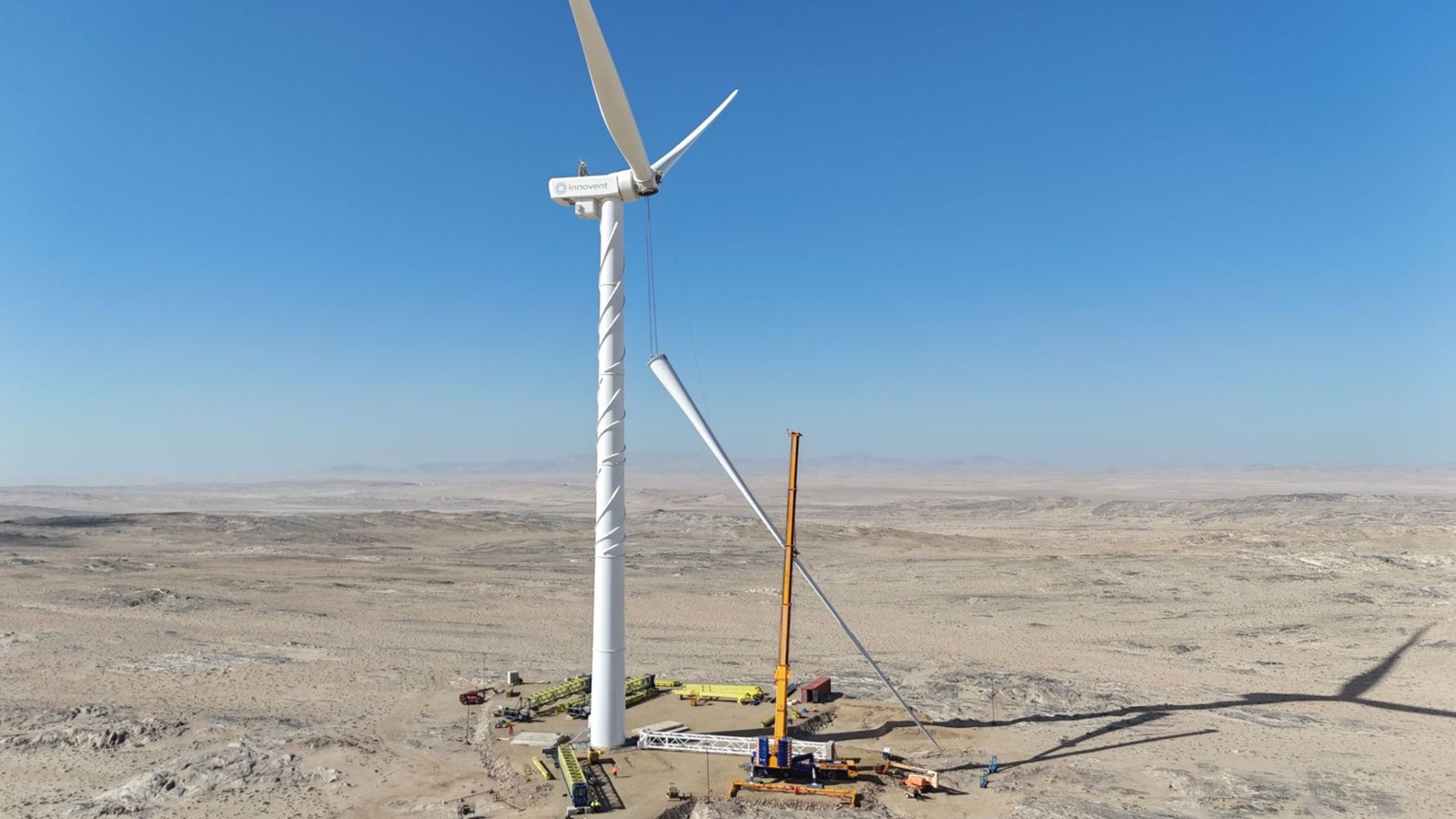
Wind farm in Namibia will have wind turbines assembled without giant cranes and is expected to avoid 200,000 tons of carbon dioxide per year when it becomes operational.

-
Taller than the Statue of Liberty, thousands of wind turbines are being planted in the middle of U.S. fields, creating two-story farms where corn and soybeans grow below while the wind turns into electricity above.



Together with the vehicles that carry it, the total weight reaches 600 tons, including three trucks and two oversized semi-trailers. To reduce the impact on the road pavement, the weight will be distributed across the vehicles’ axles.
Measuring 113.75 meters in length, 6.90 meters in width, and 5.25 meters in height, the combination of the vehicles and the transformer will occupy a significant portion of the road.
This requires detailed planning and coordination among the PRF escort teams to ensure that the transport occurs without incidents and with minimal disruptions to traffic.
Stages And Locations
The escort will start at 5 AM on Thursday (1st), at Km 94 of BR-101, in Cabo de Santo Agostinho.
The route will head North, passing through several municipalities in the metropolitan region of Recife, such as Jaboatão dos Guararapes, Recife, and Paulista.
The convoy is expected to reach Km 53 of BR-101 around 2 PM.
On Friday (2nd), the escort will depart from Paulista at 5 AM, intending to pass through Abreu e Lima and Igarassu, arriving at the PRF post in Igarassu, located at Km 29 of the highway, by late afternoon.
The final stage of the route will occur on Monday (5th), with the journey starting at 8 AM, passing through Goiana until reaching the final destination in Paraíba.
The need to conduct the escort on Monday is due to the municipal elections that will take place over the weekend in Goiana.
During the three days, drivers traveling along BR-101 should be aware of the convoy’s movement and the impact on local traffic.
Traffic Impact And PRF Recommendations
During the transport of the transformer, traffic on BR-101 will be restricted, and drivers planning to travel to the North Coast during the Labor Day holiday (May 1st) should consider alternative routes.
The PRF will implement checkpoints along the route and advise drivers to use local roads to avoid congestion.
The average speed of the convoy will be reduced to 7 km/h, which will require patience and attention from drivers.
In some towns, such as Abreu e Lima and Igarassu, drivers will be allowed to use the bus lane in the Recife-João Pessoa direction during the escort.
The PRF recommends that those who can postpone or advance their trips do so to minimize disruptions. For drivers needing to access certain areas, such as Abreu e Lima, one option is to use PE 15.
Diversion Alternatives To Avoid Delays
The PRF has also provided diversion suggestions for drivers wishing to avoid BR-101 during the escort days.
Those coming from the South Coast needing to reach Recife can travel to Km 125 of BR-101 in Escada and access PE 45, which leads to Maçau-açu. From there, they can access BR 232 in Vitória de Santo Antão and continue to Jaboatão dos Guararapes/Recife.
Drivers departing from Recife heading to João Pessoa can take BR-232 until Caruaru, and at Km 130 of the highway, access BR-104 toward Toritama and Taquaritinga do Norte.
From there, they can continue to Campina Grande, where they connect to BR-230 heading to João Pessoa.
For those coming from Palmares needing to reach João Pessoa, the diversion can be made at Km 190 of BR-101 in Palmares/PE, accessing PE 126 in Lajedo, and then PE 120 toward Catende.
The route continues along BR-104 to Caruaru, Taquaritinga do Norte, and Campina Grande, up to BR-230, which leads to João Pessoa.
The transport of giant transformers, such as the one to be conducted by the PRF, reflects the growing investment in renewable energy sources, such as wind energy. Brazil has stood out in this sector, with the Northeast being one of the most promising regions for the installation of wind farms.