Portuguese
  Spanish


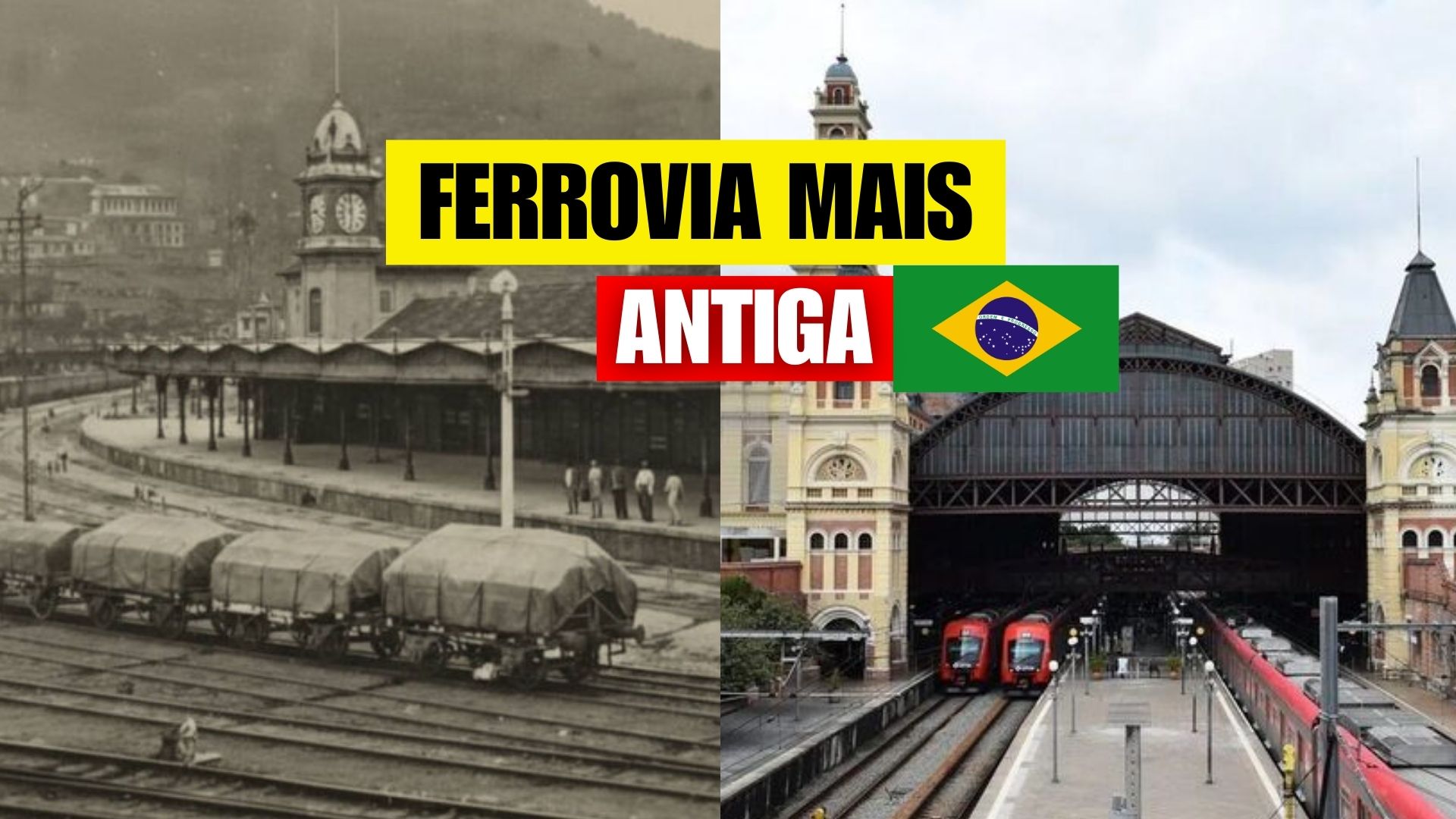


Inaugurated in 1867, the São Paulo Railway still connects the interior to the Port of Santos, overcomes the Serra do Mar with cog railway technology, and transports millions of tons per year, maintaining a vital role for the economy and the history of Brazil.
The São Paulo Railway, inaugurated in 1867, still connects the interior to the coast and remains vital to Brazil’s economy.
Opened to traffic on February 16, 1867, the São Paulo Railway — the embryo of the Santos to Jundiaí Railroad — maintains the connection between the interior of São Paulo and the Port of Santos and continues to operate as one of the country’s main freight corridors.
In 2016, this axis moved around 32 million tons, and the crossing of the Serra do Mar continues to be made on a cog railway section with 5 MW locomotives, configured to safely and regularly conquer steep gradients.
-
New Smart Radar Begins Issuing Fines to Solo Drivers in Carpool Lanes, Uses Cameras to Count Occupants, Changing Traffic Enforcement Rules on Busy European Roads

-
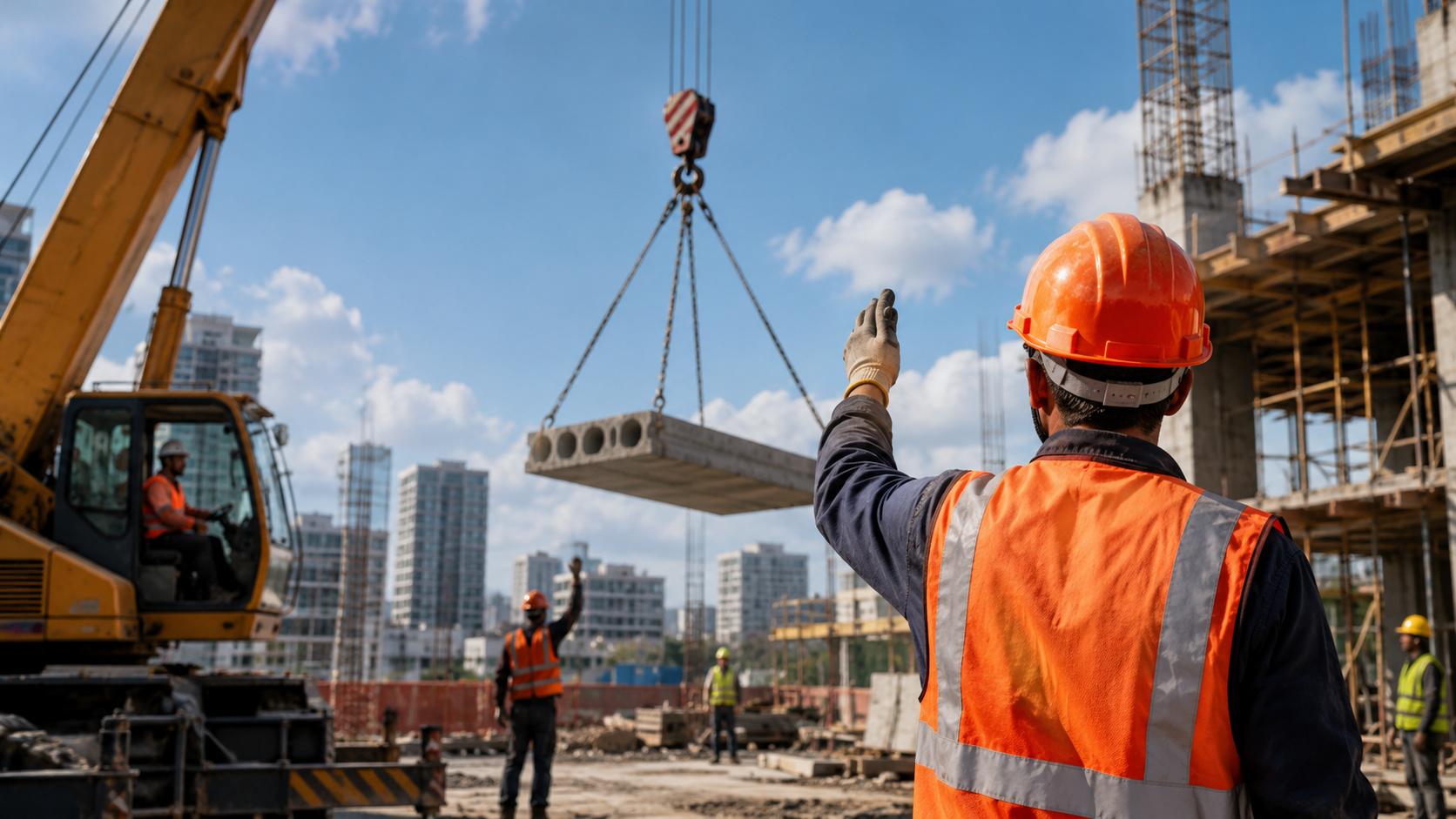
Why can the crane operator only obey the correct signalman on the construction site: among dozens of workers, a hand raised by the wrong person can confuse the maneuver and turn a load of tons into an immediate risk.
-
What changes with the new public transportation rules that can reduce pressure on fares and pave the way for zero fare in Brazil?
-
Argentina confirms Belgian giant to lead strategic Paraná River waterway and promises to reduce logistical costs on one of South America’s most important routes

Origin and Purpose of the São Paulo Railway
The growth of coffee in the 19th century determined the need for a railway access between the plateau and the coast.
Under the leadership of Viscount of Mauá, the route connected Santos to Jundiaí over 139 kilometers of broad gauge, passing through the capital.
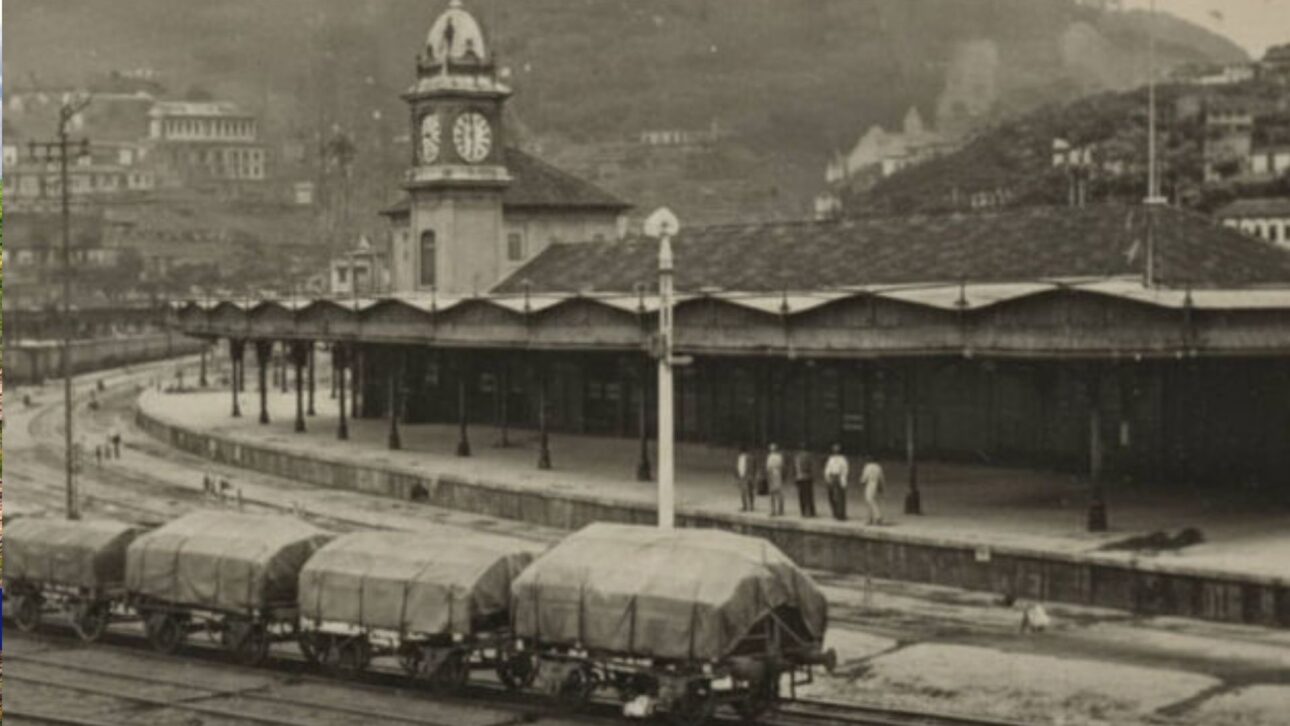
Documents from the time show that in 1855, the then president of the Province of São Paulo, José Antônio Saraiva, listed the economic advantages of a railway, highlighting the “reduction of transport costs to a third of what is currently paid” and the “increase in land values.”
From this infrastructure, the São Paulo economy accelerated the integration of producing areas and consolidated the port as an export outlet.
Engineering on the Serra do Mar
The greatest technical challenge has always been concentrated in the Serra do Mar massif.
To overcome maximum gradients of 104‰ (about 10.4%), the dedicated section operates on the cog/adhesion system, which combines rack tracks and cog wheels for traction and braking control.
Since 2012–2013, seven Stadler locomotives designed specifically for this gradient have been put into service, with an installed power of 5 thousand kW, regenerative braking, and a setup focused on continuous effort.
These machines were designed to carry up to 50% more cargo than the previous generation in the serrated segment, maintaining stable speeds uphill and downhill, a critical factor for the fluidity of the corridor.
From English Concession to MRS Logística
At the end of the English concession, in 1946, the line came under state management as the Santos to Jundiaí Railroad.
Decades later, during the reorganization of the sector, the section was granted to MRS Logística, responsible for cargo operations connecting the Campinas region to the coast.
The metropolitan network, in turn, concentrates on passenger transport under state management on its own branches.
This arrangement preserved the vocation of the historical trunk as an export route and supply for industries, combining high volumes, lower emissions per ton, and reduced logistics costs on medium and long-distance routes.
Freight and Investment Growth
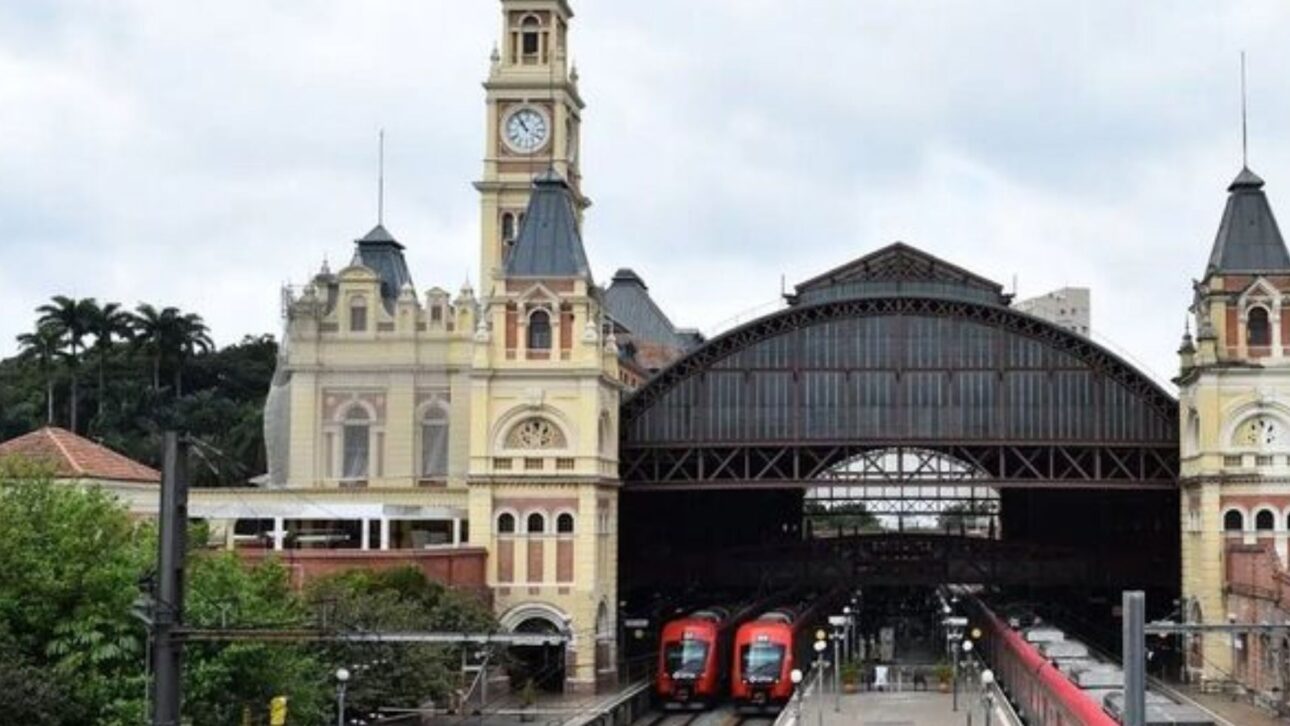
The maintenance of high transport levels — 32 million tons in 2016 — is sustained by continuous improvements to the permanent way, signaling, and rolling stock.
Since 2013, approximately R$ 445 million has been invested in interventions in the Baixada Santista and the serrated section, including track segregation, segment duplication, yard expansion, system upgrades, and the acquisition of special locomotives for the cog railway.
The focus has been on increasing capacity, reducing bottlenecks, and ensuring greater predictability in the interface with the port terminals.
Economic and Urban Impact
Although the trunk has a relatively short length — 139 kilometers between Valongo, in Santos, and Jundiaí — its influence extends beyond the limits of the railway.
The tracks shaped neighborhoods, attracted industries, and facilitated the emergence of logistics hubs.
By integrating the plateau with the docks, the line reorganized flows of goods, shifting the focus of troop and mule transport to railway compositions.
The connection with other historic railways consolidated a mosaic that made São Paulo a territory of networks, with lasting impacts on urban design and the labor market.
Paranapiacaba and Historical Preservation
The construction of the mountain range gave rise to Paranapiacaba, a workers’ village that became a reference for railway heritage.
The set still preserves structures from the British period and remains connected to freight operations.
In 2019, the Clock Tower of the station was restored with investment from the concessionaire through Pronac, restoring functionality to the mechanism and reinforcing the preservation of one of the local landscape’s icons.
Restoration and reuse initiatives in technical areas strengthen the historical and tourist value of the site, without distancing it from its original role as logistical support for the mountain section.
The Current Relevance of the Railway Corridor
The continuation of the strategic role of the old “Ingleza” results from objective factors.
The physical connection to the largest port in the country guarantees a natural route for agricultural bulk, steel inputs, and containerized freight.
The scale achieved in the axis reduces unit costs and emissions per ton-kilometer compared to road transport over long stretches.
Constant modernization — of the railway to the control systems, from the yard to the traction equipment — maintains reliability indices compatible with industrial demands and record harvests, preserving the relevance of a route conceived in the 19th century and adapted to the needs of the 21st century.
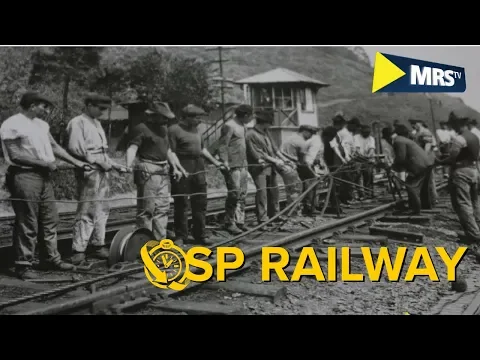

Railway Between Memory and Operation
More than a century and a half after opening to traffic, the line that united Santos with the interior remains a technical and economic shortcut that shortens distances and enables business.
The crossing of the Serra do Mar continues to demand high engineering solutions, while investments keep the railway competitive.
In this balance between memory and performance, the São Paulo Railway and its successors show that historical infrastructure, when updated, continues to produce tangible effects on production, employment, and tax revenue.
What aspect of this railway piques your curiosity the most: the mountain work, the current operation, or the social history that formed around the tracks?